
Last updated November 18, 2026







Free written scope consultation - allowances, timeline, and change-order rules on paper before a single trade is scheduled
Home Additions & ADU Warning Signs Every Homeowner Should Know
If a contractor breaks ground on a foundation before the permit placard is physically posted at the site, the homeowner is the party of record on that permit, not the contractor. That single fact catches more Doral homeowners off guard than any other part of building an addition. The Stop Work Order lands on you. The fine attaches to your address. The contractor packs up and disappears, and you’re left explaining the mud pit in your yard to a code officer. The signs that a project is drifting toward a cost overrun or a legal fight are almost always visible in the first two weeks, in the contract language, the permit status, and the sequence of early work. This guide shows you what to check before mobilization and in the days right after.
Quick Answer
The clearest warning signs of a troubled home addition or ADU project are a contract without a signed change-order requirement, a payment schedule tied to dates instead of inspection milestones, no lien waiver language, excavation before the permit placard is posted, and rebar or soil work that doesn’t match the engineered drawings. Most of these are catchable in the first two weeks, before any money is lost beyond recovery. In Doral, where the Florida Building Code is enforced hard after 2021’s Surfside changes, they get caught faster and cost more when they aren’t.
Styles & brands we work with
- Kitchen remodeling
- Bathroom remodeling
- Home additions & ADU
- Roofing
- Windows & doors
- Driveway & pavers
- Fence
Table of Contents
- The Contract Clauses That Signal a Contractor Without Financial Controls
- The Pre-Construction Document Audit: What to Verify Before Mobilization
- Why You, Not the Contractor, Are the Party of Record on the Permit
- Early Warning Signs During Your First Site Visit After Foundation Work
- The Financial Warning Signs Mid-Project
- What You Can Legally Do When the Warning Signs Appear
- Common Mistakes to Avoid
- Frequently Asked Questions
The Contract Clauses That Signal a Contractor Without Financial Controls
A written contract either locks the price or leaves the door open. You can usually tell which within five minutes of reading it, and it doesn’t require a lawyer to spot the gaps. Here’s what to look for, and what each gap actually means for your money.
- No signed change-order requirement. If the contract allows verbal changes or stops short of requiring your signature before an add-on is performed, every scope question becomes a future invoice. Under the Haven Standard we work by, Clause 1 does the opposite: no work proceeds on a change until a change order is signed, which is why projects finish within a few percent of the agreed number rather than rebuilding the budget every month. If your prospective contractor’s language is loose here, treat it as a hard stop.
- Payment tied to calendar dates, not inspection milestones. A schedule that reads “50% on June 1” is a schedule written to protect the contractor’s cash flow, not your progress. Payments should follow formal inspections: foundation, framing, rough-in, final. Each draw should be tied to a specific passed inspection with documentation.
- No lien waiver language. In Florida, unpaid subcontractors and material suppliers can place a mechanic’s lien on your home even if you’ve already paid the general contractor in full. The contract should require every payment to be paired with a signed, notarized lien waiver from the sub and the supplier. If it doesn’t, you can pay twice for the same work.
- Scope written in vague clauses. “Builder-grade finishes throughout” or “standard fixtures included” leaves the cabinet and countertop line open-ended. A written scope names the brand and the model. On the kitchens and bath projects we run, that means naming the actual line – KraftMaid or Wellborn for cabinets, Cambria or Caesarstone for countertops – not a category.
- No written warranty in the contract itself. If the warranty is a verbal promise, it doesn’t exist. Ours is printed on the page and backed by a terms document, not an asterisk, and the 365-Day Done Right Promise lives in writing, not in conversation.
If you’re holding a competitor’s estimate and want a second set of eyes on these clauses, Rowan Construction Group reviews any written estimate line by line at no charge – that’s a standing offer, not a promotion. Call (888) 300-3896 to schedule it.
The Pre-Construction Document Audit: What to Verify Before Mobilization
Mobilization is the day the crew and equipment show up on site. Before that morning, you should be able to put your hand on a specific set of documents. This is the audit Doral homeowners skip most often, and it’s the one that saves the most money.
- Permit in hand, with the placard number. The approved permit, not the application, not the receipt. Town of Doral permitting for additions and ADUs runs through the town’s Building Department, and after the 2021 code changes the review is deeper than it was a decade ago. Ask for the permit number and the placard photo before the first shovel goes in.
- Survey staked by a licensed surveyor. Doral lots sit close together in neighborhoods like Doral Isles and the communities around Downtown Doral, and setback violations in an addition are common. A recent boundary survey, staked at the corners, is the only honest baseline for setbacks. Not the one from your 2018 closing.
- Engineered drawings, sealed and signed. Structural drawings for the addition, columns, and slab should be sealed by a Florida-licensed engineer. Verify the seal – not the letterhead.
- Subcontractor license numbers confirmed with the Florida DBPR. The Department of Business and Professional Regulation maintains a public license lookup. Run every sub’s number through it, including the electrician, plumber, and roofer. A GC’s license doesn’t cover the sub who pours your slab.
- Certificate of insurance covering the project address. General liability and workers’ comp, with your address listed. Call the agent if you want. Verification phones work.
- Written schedule with inspection milestones named. Not “60 to 90 days.” Actual dates against actual inspections.
- Recorded notice of commencement. In Florida, this document protects you against certain liens. If your contractor isn’t filing one, ask why.
None of this is exotic. It’s the documentation any residential contractor operating under proper financial controls can produce on request. A contractor who pushes back on it is telling you something.
Why You, Not the Contractor, Are the Party of Record on the Permit
Homeowners assume the contractor carries the permit. Usually the opposite is true. Under Florida law, the property owner is the party of record on a residential building permit, which means the Stop Work Order, the code violation notice, and the fine all arrive at your address. The contractor is the qualifier – the licensed party performing the work – but the consequence is yours. This is why building an addition or an ADU in Doral without a posted permit is not a paperwork lapse. It’s a liability transfer.
The pattern is predictable. The contractor starts excavation to “save time while the permit is in review.” The concrete is poured before the foundation inspection signs off. Then the inspector arrives, finds structural work without approval, and stops the job. The cure usually involves demolition of the unauthorized work, an engineered remediation plan, and a re-permit with new fees. In Doral, where the Building Department enforces the statewide code closely after Surfside, unauthorized foundation work rarely survives inspection.
The right sequence is unglamorous and takes time: permit approved, placard posted, site staked, then mobilization. Any contractor willing to skip that order to accelerate the calendar is trading your risk for their cash flow. When we quote an addition in Doral, the written scope names the permit sequence as a deliverable, not a footnote.
If you want the deeper background on how a permitted addition is sequenced in this city, our Home Additions & ADU in Doral page walks through the build from permit to final inspection.
Early Warning Signs During Your First Site Visit After Foundation Work
The foundation is the part of the project you can’t see once it’s done, which is why the site visit right after excavation and before the pour carries so much weight. On that visit, look at three things: the soil, the rebar, and the paper trail.
Soil compaction
Doral’s native soil includes a lot of limestone and limestone-influenced fill, and after a wet season the soil in a dig zone can hold moisture in ways that matter for a slab. Proper compaction of fill happens in lifts – checked with a nuclear density gauge or a proof-roll – and the result gets documented. If the crew is dumping fill into a trench by the truckload and compacting it in one pass, that slab will move. Cracks in the slab edge, doors that swing out of square within a year, and hairline cracks spreading on tile floors all trace back to compaction done lazily in week one.
Rebar spacing that doesn’t match the engineered drawings
Take the sealed structural drawing to the site and count the rebar in at least one bay. The plan says #4 at 12 inches on center, and the site shows rebar at 18 inches or more – that’s a deviation. It’s also a red flag on everything else the crew has done. Photograph it. You can require a correction before the pour, and an inspector will note it at the foundation inspection anyway. Catching it before concrete is a five-minute conversation; catching it after is a demolition.
Concrete poured without inspection sign-off
The foundation inspection has to pass before the pour. If you drive past the project and see a pump truck on site and the inspection hasn’t been recorded with the town, call your contractor before the pour starts. Pouring before inspection is the clearest evidence of a contractor without financial controls, because it either means they don’t understand the permit sequence or they’re hoping nobody’s checking. Both mean you’re exposed.
If your project touches the driveway, patio, or foundation perimeter, our Driveway & Pavers in Doral page covers the same compaction and inspection discipline at ground level – the physics don’t change between a slab and a paver base.
The Financial Warning Signs Mid-Project
Money problems surface mid-build before they surface on the build. This is where contractors without proper financial controls show their seams. Watch for these:
- Requests for funds ahead of the draw schedule. “We need the next draw a week early to cover a material order” is a phrase every residential contractor knows how to avoid – because material arrives against the schedule, not against urgency. Once the draw schedule is written and agreed, early money requests are the exception that starts a pattern.
- Verbal change orders, especially scope reductions. A verbal change that trims work is harder to see than one that adds work, and much harder to prove later. “We don’t need the soffit vents in this bay, so we already skipped them” saves the contractor a small amount and puts you on the hook for the humidity problem in year three. Every change, up or down, in writing, signed, before it happens. That’s Clause 1, and it’s why our jobs stay close to the number.
- Subcontractors who introduce themselves as “just helping out.” This is the clearest phrase in all of construction that a person on your property isn’t on the paper. Unlisted subs mean unverified licenses, unverified insurance, and unverified workers’ comp. If your property host is hurt on site, you’re the party of record for that problem too. Ask for the sub’s name, license number, and insurer before they start. Every crew member should be background-checked and verified before they arrive, and if your contractor can’t tell you who’s coming, that’s the answer.
- Requests to write the check to an individual. Payments go to the licensed entity, not a personal name. The exception does not exist.
- Communication going quiet. A contractor who returns calls in week two and stops in week eight has a cash problem somewhere upstream. You’ll discover it in a mechanic’s lien before you discover it in a phone call, unless you’re watching.
For work that touches the roof or windows while the addition is going up, the same financial discipline applies. Our pages on those trades follow the same written-price rule, and so should any crew on your site.
What You Can Legally Do When the Warning Signs Appear
You have more options than most homeowners realize, and they don’t require a lawyer to exercise the first two. Use them early – the middle of month three is a worse time than week three.
- Request the inspection reports. In Florida, inspection records for your permit are public through the building department and the town portal. Read them. A passed-inspection history that doesn’t match the schedule your contractor gave you is a problem you can document.
- Request lien waivers as a condition of each draw. Signed, notarized, from every sub and material supplier on the current draw. Withhold the draw until they’re delivered. This is a right most contracts don’t remove, and it’s the one piece of leverage you hold every month.
- Withhold the next draw pending cure. If a written contract includes inspection-milestone payments and a cure provision, you have the contractual right to hold back the next draw until the defect is fixed. Do it in writing and copy the contractor’s licensing entity, not a personal email. A written hold is a legal record. A verbal hold is nothing.
- File a complaint with the Florida DBPR. For licensed contractors, the Department of Business and Professional Regulation takes complaints on unlicensed activity and on licensed misconduct. The process is public and slow, but it’s real, and it triggers a record on the contractor that follows them to the next job.
- File the notice with your property insurer, not just the contractor. Mechanic’s liens and unauthorized work can trigger an insurance conversation. Call your carrier, not as a claim, but as a heads-up. Timing matters.
- Stop the work in writing if the site is unsafe. You can order work to stop on your own property, in writing, citing the reason. Once you order a stop, follow up with the reason in detail, and require the correction before work resumes. If you’re not sure how to phrase it, get help before you send it.
If you’re holding a written contract that looks like a risk and you’d rather have a second set of eyes on it before you sign, call (888) 300-3896. Free second opinions on any written estimate are a standing offer here, not a limited-time thing.
Common Mistakes to Avoid
These are the ones we see most in Doral, and they usually cost the homeowner more than the addition’s finish line is worth.
- Letting mobilization start before the permit placard is physically on site. The Stop Work Order lands on the property owner. Ask for a placard photo the day it’s posted, and don’t let a single shovel in until you have it.
- Signing a contract with a payment schedule tied to calendar dates. Payments must follow inspections, not dates on a calendar. Every draw should be released only after a specific inspection is recorded and passed.
- Accepting a verbal change order, even one that reduces scope. Reductions feel harmless. They’re not, because you lose the written record and the change that “wasn’t needed” becomes your problem when it fails in year two under Doral’s humidity.
- Skipping the DBPR license check on subs. A GC’s license covers the GC. Verify each sub, including the one who shows up on a Saturday “to help out.”
- Not verifying the certificate of insurance lists the project address. A certificate covering “various locations” doesn’t cover your Doral address. Call the agent.
- Treating engineering drawings as paperwork. Sealed drawings are the baseline against which the rebar and slab get built. Confirm they were submitted and approved by the town before demolition begins.
- Waiting until month four to ask questions. The warning signs are all present in the first two weeks. By month four you’re deciding between a cure letter and a lawsuit, and both cost more than the questions would have.
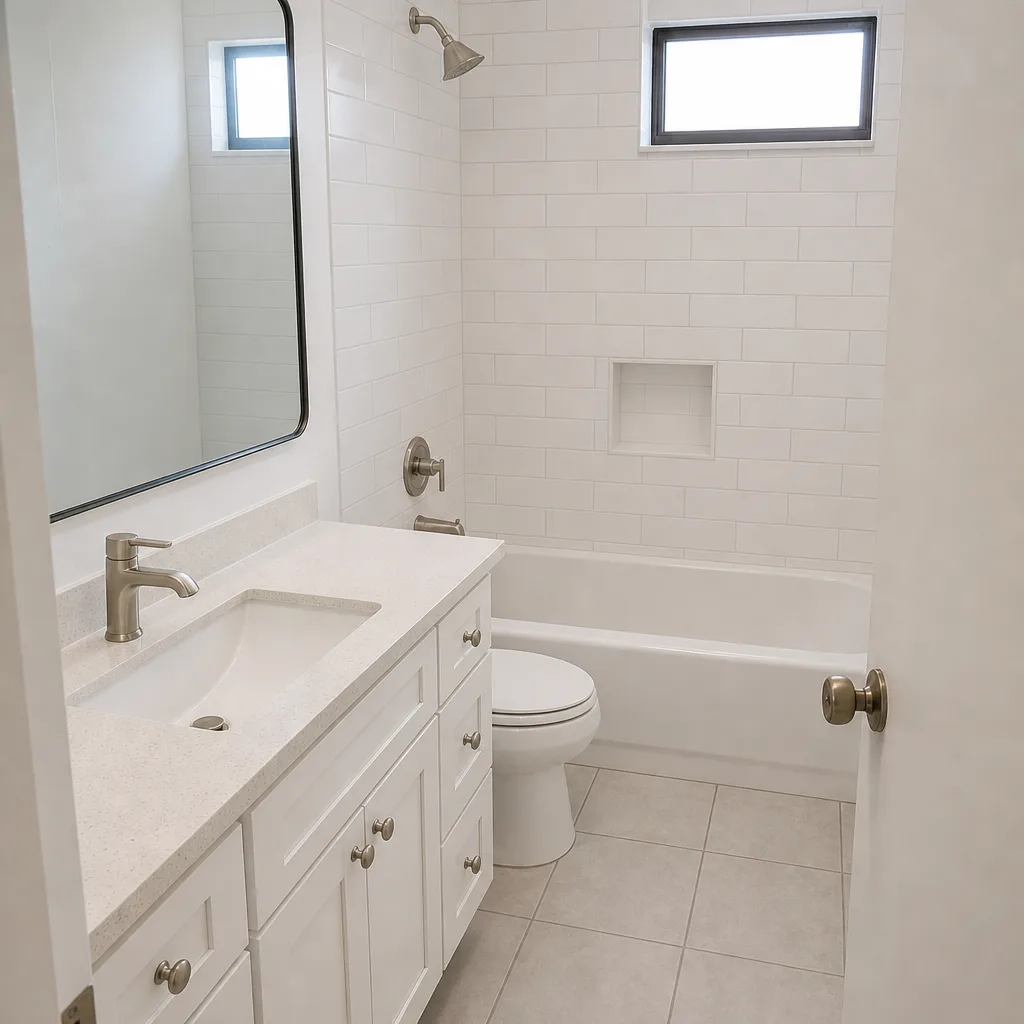
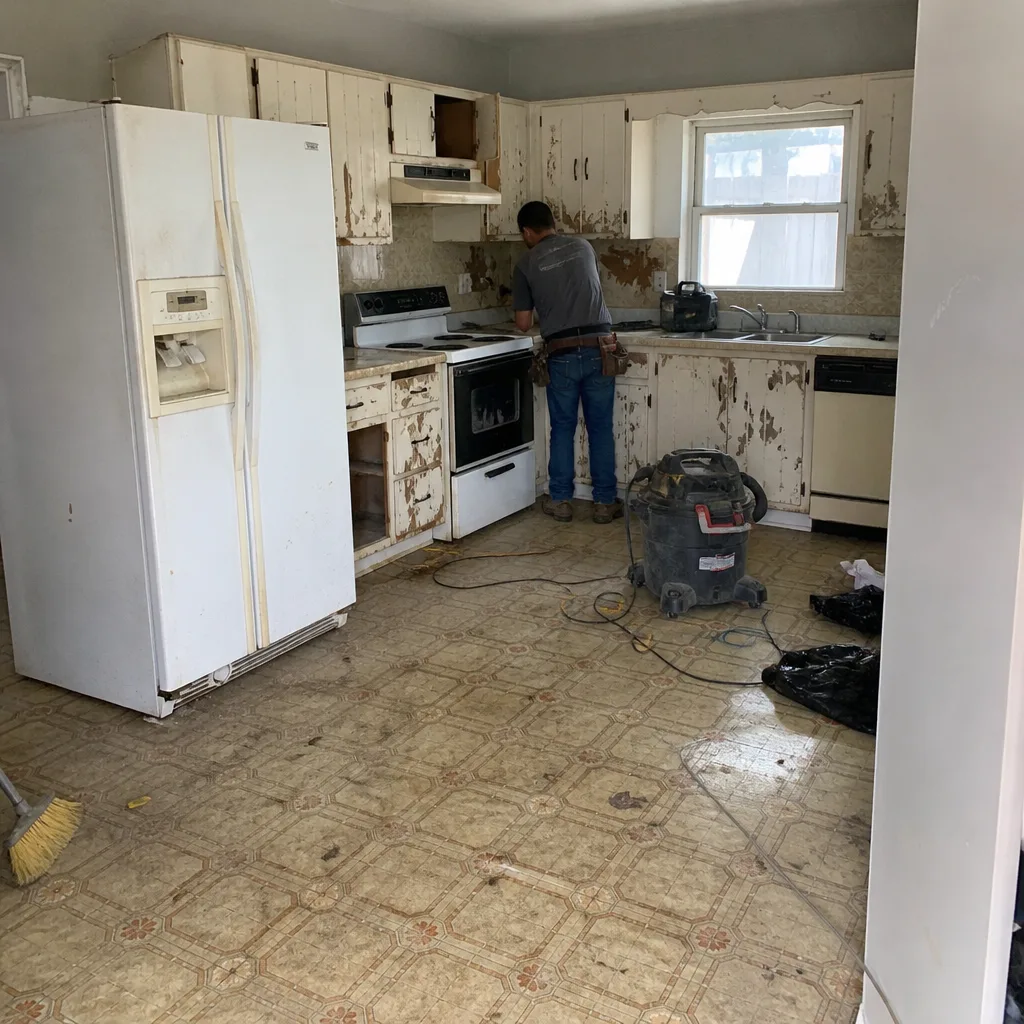
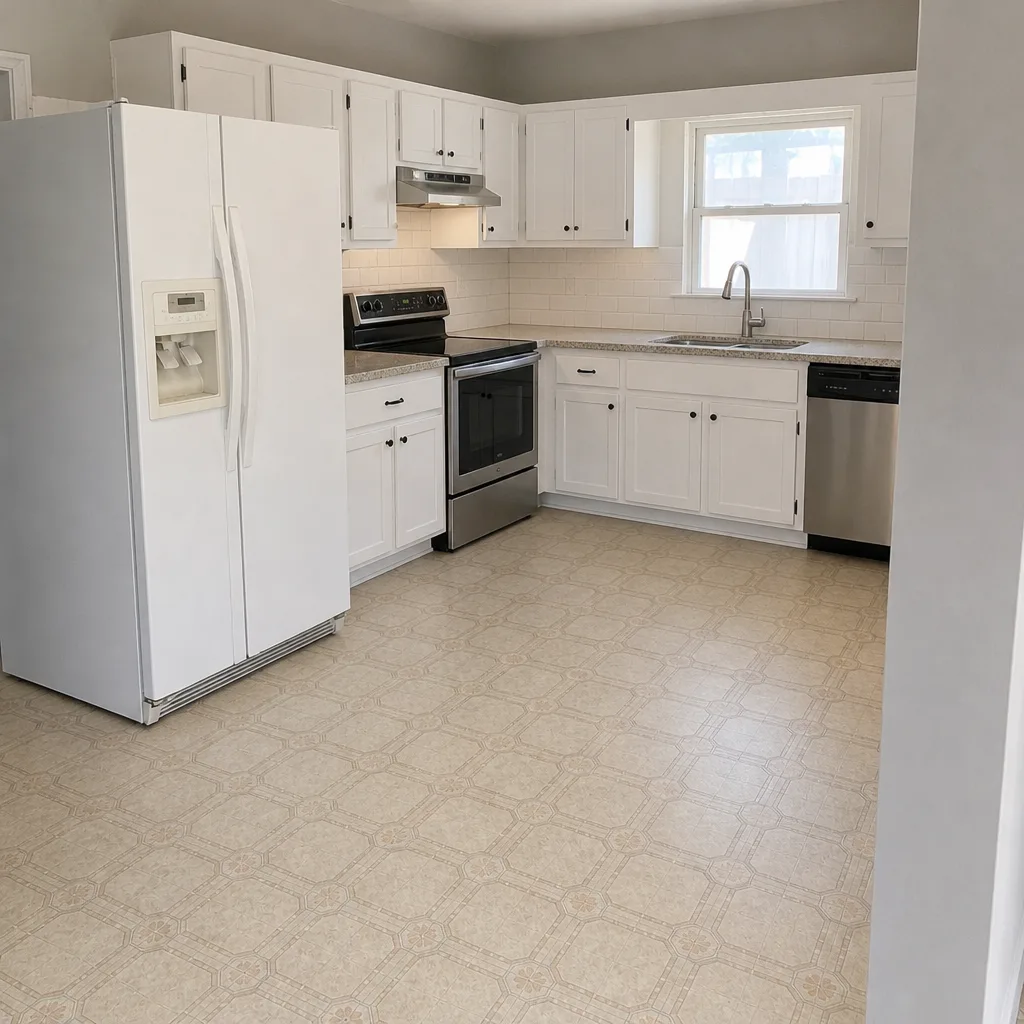
See the difference
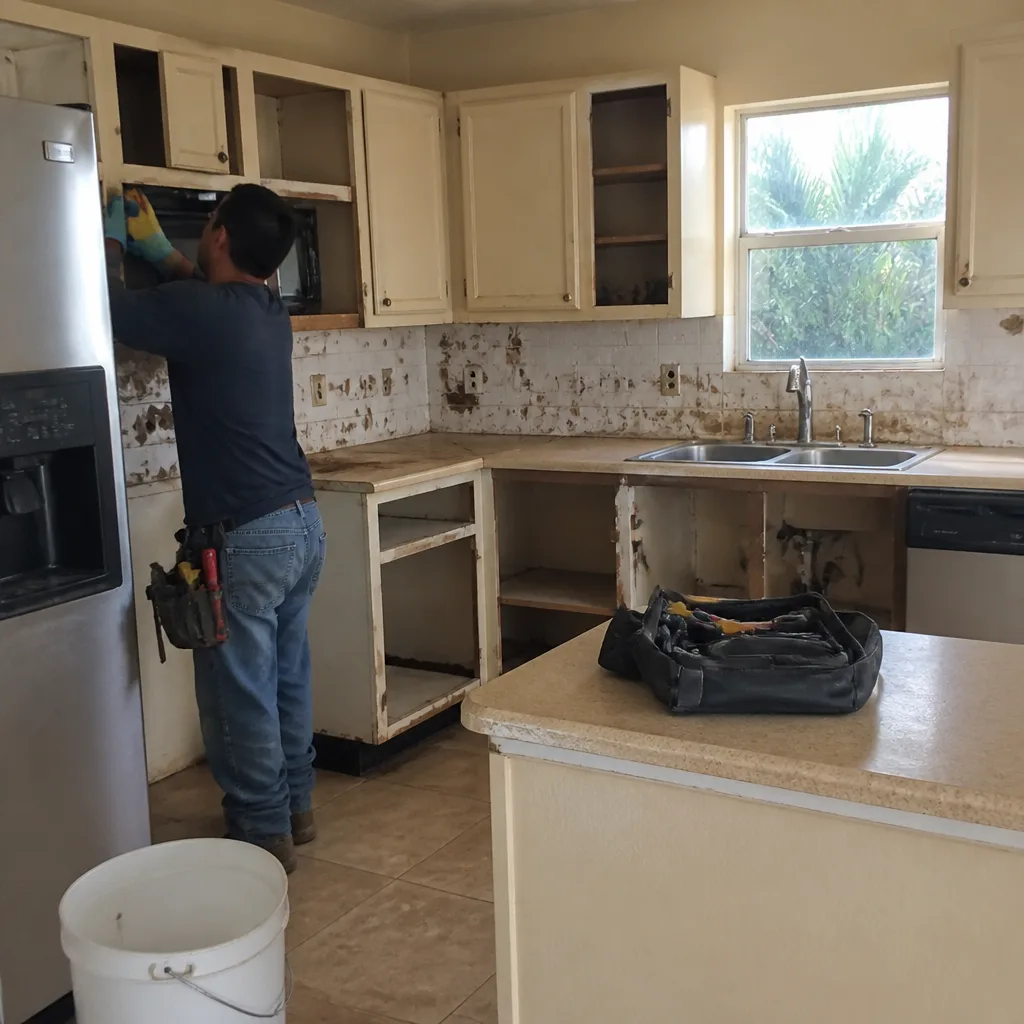 Before
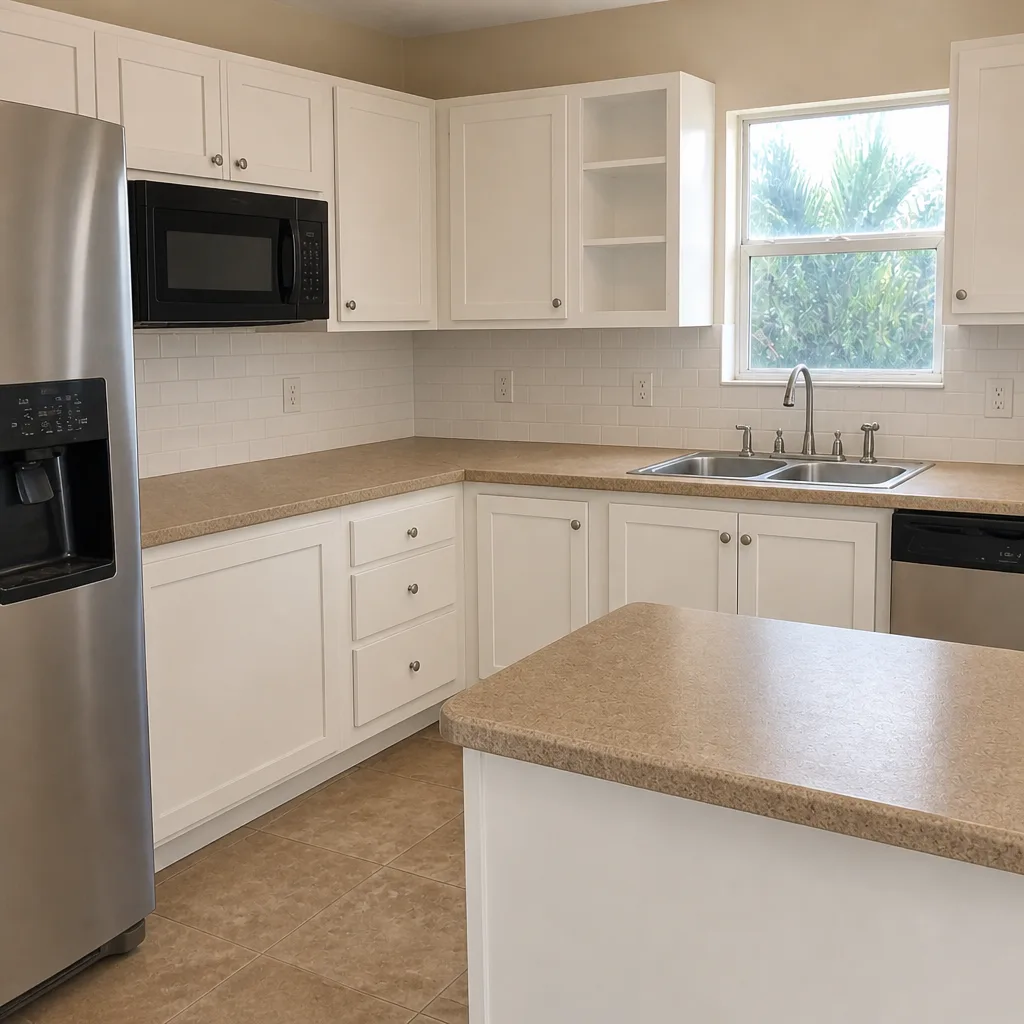 After
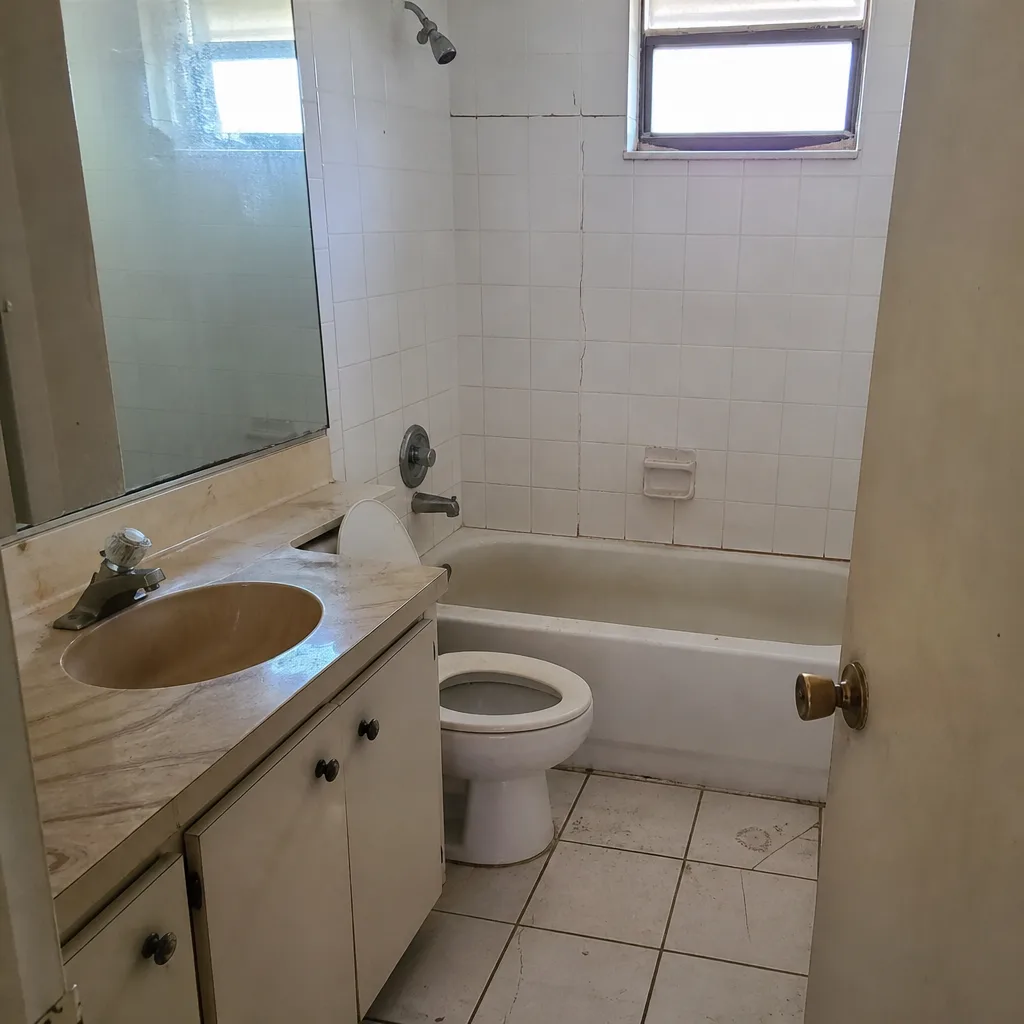 Before
 After
 Before
 After
When to Call a Professional

Call a professional before you sign anything, and again the moment any of the following appears on your site: excavation before the placard is posted, a change made on a handshake, a subcontractor who isn’t on the paper, a payment request outside the draw schedule, rebar that doesn’t match the engineered drawing, or a foundation pour scheduled without a recorded inspection. Each one is a warning sign that a project is heading toward overrun or a legal problem, and none of them improve with time. If you’re already mid-build and you’re seeing these, a written stop and a documented cure request are the first moves; a licensed contractor who runs proper controls can review what’s there and tell you honestly whether the project is curable. If you’re in the planning phase, this is the moment to lock in the written price and the written scope, before mobilization. Rowan Construction Group Doral offers free estimates in Doral – call (888) 300-3896.
Frequently Asked Questions
The absence of a signed change-order requirement. If the contract allows verbal changes or doesn’t explicitly say work stops until you sign, every scope question becomes a future invoice. Under our Haven Standard, Clause 1 is exactly that guarantee: no work proceeds on a change until the change order is signed. Before you sign anything, confirm the language is in writing.
The homeowner. In Florida, the property owner is listed as the party of record on a residential permit, which means the Stop Work Order, the code notice, and the fine attach to the property, not the contractor. That’s why permitting sequence matters – the permit has to be approved and the placard posted before any excavation begins. Call (888) 300-3896 for a second opinion on any written estimate before you mobilize.
No. Draw payments should be tied to specific inspection milestones that have been recorded and passed, not calendar dates. If your schedule reads “50% on June 1,” rewrite it before work starts. A written change-order discipline and an inspection-milestone schedule are what keep a Doral addition within a few percent of the agreed number, which is the whole point.
Look up the license number in the Florida DBPR public database, and call the insurance agent to confirm workers’ comp and general liability cover your project address. Do this for every sub on the job, including electricians, plumbers, and roofers, and including anyone who introduces themselves as “helping out.” Our crews are background-checked and verified before they arrive – a standard any Doral homeowner should hold every contractor to.
Photograph it and require a correction before the pour. The sealed structural drawing is the baseline; if the plan calls for #4 at 12 inches on center and you see wider spacing on site, the work is out of spec. Walk the foundation with the drawing in hand during your first site visit after excavation. A correction before concrete is a conversation. After concrete, it’s a demolition.
Yes. In writing, citing the reason, on your property. Then follow up with the specific defect and required correction before work resumes. Pair the written stop with a hold on the next draw until a signed cure is delivered, and confirm the record with the town’s building department. Call (888) 300-3896 for a free line-by-line review of any written estimate or contract you’re holding.
The Bottom Line
The first two weeks decide what the rest of the addition looks like. Permit placard posted before mobilization. Signed change orders required before any work. Payments tied to passed inspections, not calendar dates. Lien waivers delivered with every draw. Subcontractor license numbers verified through the Florida DBPR, and insurance certificates naming your Doral address. Rebar counted against the sealed drawings before the pour. Every one of these checks takes minutes and prevents the kind of loss that takes months to unwind. If a contractor resists any of them, that resistance is the warning sign. And if you’re building in Doral and want the written price before anyone picks up a tool, our Rowan Construction Group Doral home page and Fence Installation in Doral page both apply the same discipline.
When you’re ready to talk about an addition or ADU, or you want a free second opinion on a written estimate you’re holding, call Rowan Construction Group Doral at (888) 300-3896. You’ll get a flat written price, a written scope, and a written warranty before any work starts – the standard the Haven Standard was built around, and the reason our projects land within a few percent of the number you agreed to.
Written by the team at Rowan Construction Group Doral.