Last updated November 18, 2026


Free written scope consultation - allowances, timeline, and change-order rules on paper before a single trade is scheduled
Choosing the Right Construction Brand: A Buyer’s Guide for Doral
Here’s the part of a construction project that almost never appears on an inspection form: the moment a crew swaps the specified roofing underlayment for a “comparable” product. In Miami-Dade County, that single substitution can void the Notice of Acceptance – the NOA that makes the entire roof assembly legal under High Velocity Hurricane Zone code – without the homeowner knowing, without a line on any report, and without a word from the contractor. The brand on the wrapper isn’t cosmetic. In Doral’s heat, humidity, and wind zone, it’s the difference between a 10-year roof and a 25-year one. This guide shows you how to specify, verify, and enforce the brands going into your home.
Quick Answer
The “right” construction brand in Doral is the one that carries a valid Miami-Dade product approval for the exact assembly being installed, is written into your contract by name, and arrives with a submittal sheet matching that name. A recognized brand matters less than a specified brand with documentation you can verify. If you’re comparing quotes, compare the brand names and NOA numbers before you compare the price – the cheap quote is often cheap because a legal, tested product was quietly swapped for an uncertified equivalent.
Styles & brands we work with
- Kitchen remodeling
- Bathroom remodeling
- Home additions & ADU
- Roofing
- Windows & doors
- Driveway & pavers
- Fence
Table of Contents
- What a Miami-Dade Notice of Acceptance Is (and How to Look One Up)
- Brand Performance by Trade in South Florida Conditions
- How to Read a Material Submittal Document
- Warranty Transfer Rules: Whose Name Is on the Claim?
- The Substitution Clause in Your Contract
- How to Enforce Brand Compliance on the Jobsite
What a Miami-Dade Notice of Acceptance Is (and How to Look One Up)
A Notice of Acceptance, or NOA, is Miami-Dade County’s product approval document. It certifies that a specific product, tested in a specific assembly, meets the wind-load, water, and impact standards of the Florida Building Code as applied in the High Velocity Hurricane Zone. Miami-Dade and Broward are the only two counties in Florida that operate under full HVHZ rules, and Doral sits squarely inside that jurisdiction. When a Doral roofing crew installs an underlayment or a tile system without a matching NOA, the assembly may fail a county inspection – or, worse, pass one because the inspector can’t see what’s under the finished surface.
The NOA isn’t a brand logo on a box. It’s a county-issued number tied to a product name, a manufacturer, and often a specific combination of components – underlayment plus fastener plus tile adhesive, for example. Swap one component and the NOA may no longer cover the assembly. That’s why a contractor who substitutes a “comparable” product isn’t just changing the brand; they may be installing something that’s legally untested for HVHZ use.
How to look up an NOA yourself, step by step
- Go to the Miami-Dade County product approval search portal (the Building Code compliance database, sometimes labeled “Product Control”).
- Search by manufacturer name, product category (e.g., “roofing underlayment”), or NOA number.
- Download the PDF and check three things: the product name matches what’s on your delivery, the NOA is current (not expired or superseded), and the “assembly” section lists the other components being used.
- Write the NOA number into your contract or change order so it’s on record.
In Doral, where new construction and post-storm re-roofs are constant, we’ve watched homeowners get blindsided by a voided NOA more times than we can count. The county portal is free and public. There’s no excuse for guessing. If you’re rebuilding a roof or an addition envelope, our team at Rowan Construction Group Doral home will walk you through the NOA on any system we specify before a single box lands on your driveway.
Brand Performance by Trade in South Florida Conditions
Every trade in Doral faces the same three pressures: UV intensity that breaks down cheap polymers, humidity that never fully dries out, and a wind code that doesn’t forgive. Here’s how the major brands separate by trade, with the technical spec that actually does the separating.
Roofing: Boral vs. CertainTeed vs. GAF in HVHZ applications
In HVHZ work, the brand matters most at the component level, not the name on the crate. Boral’s clay and concrete roof tile systems carry Miami-Dade NOAs that specify their proprietary fastening and adhesive combinations – substitute a different fastener and you’ve voided the assembly. CertainTeed’s underlayments (their WinterGuard line, for one) carry their own NOAs and are specified by product code, not just “peel-and-stick.” GAF and Owens Corning both publish their HVHZ approval documentation openly, which makes them easy to verify but also easy to compare on warranty terms.
The technical spec that separates them: the NOA-approved fastener and adhesive schedule. Two tiles that look identical can require different screws, different spacing, or a different adhesive under the same wind zone. That line in the manufacturer’s installation instruction is what the inspector is checking against, and it’s the line a “comparable” substitution usually ignores.
Stucco basecoat: Parex vs. Quikrete polymer-modified
Parex makes a proprietary acrylic-modified basecoat that’s specified as a system with its own mesh and finish coats – you can’t mix a Parex finish over a Quikrete base and expect the manufacturer warranty to hold. Quikrete’s polymer-modified basecoat is a commonly available alternative that performs well when installed to its own spec, but it’s a different system with different warranties. In Doral, where exterior walls take direct summer sun and driving rain off the Everglades, basecoat flexibility is the spec that matters – the acrylic-modified products crack less as the substrate moves.
Paver sealer: LATICRETE vs. Miracle Sealants
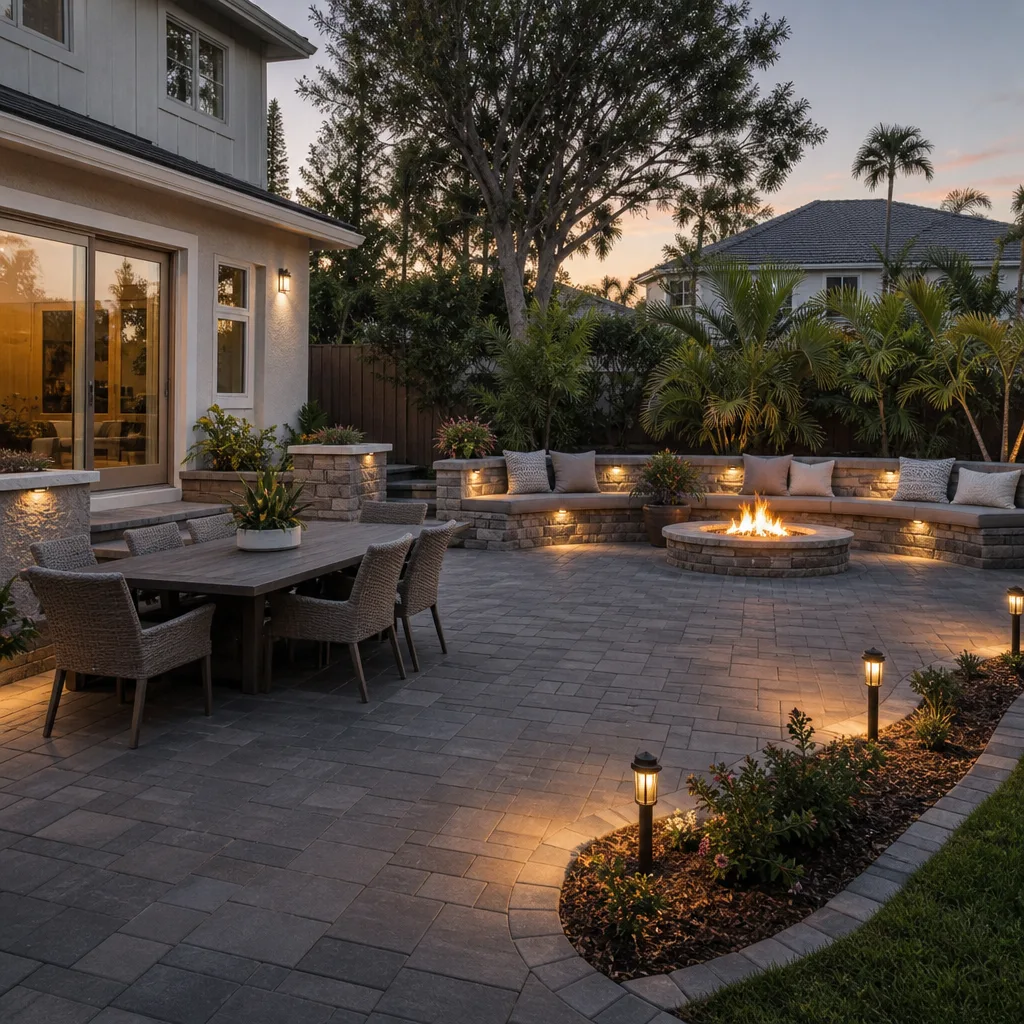
Driveway and patio paver sealer is where the brand gap is most measurable. LATICRETE’s penetrating sealers are spec’d by coverage rate and VOC content; Miracle Sealants’ products are often spec’d by finish type (matte, satin, gloss). The technical differentiator in Doral’s climate is UV stability and reapplication interval – a cheap sealer can yellow or chalk within two seasons under South Florida sun. If a contractor quotes “sealed pavers” without a brand and a coverage rate, you don’t have a specification, you have a wish. Our Driveway & Pavers in Doral page spells out the brands and rates we use.
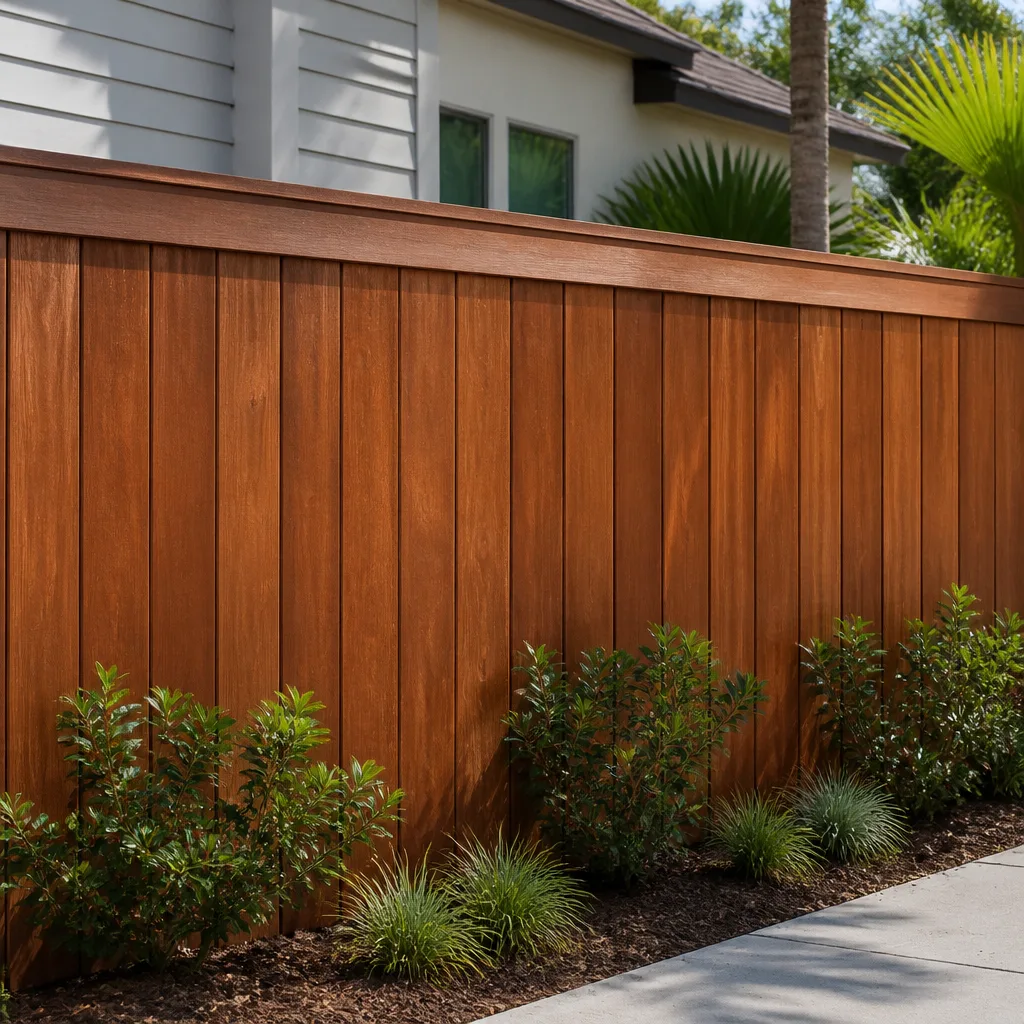
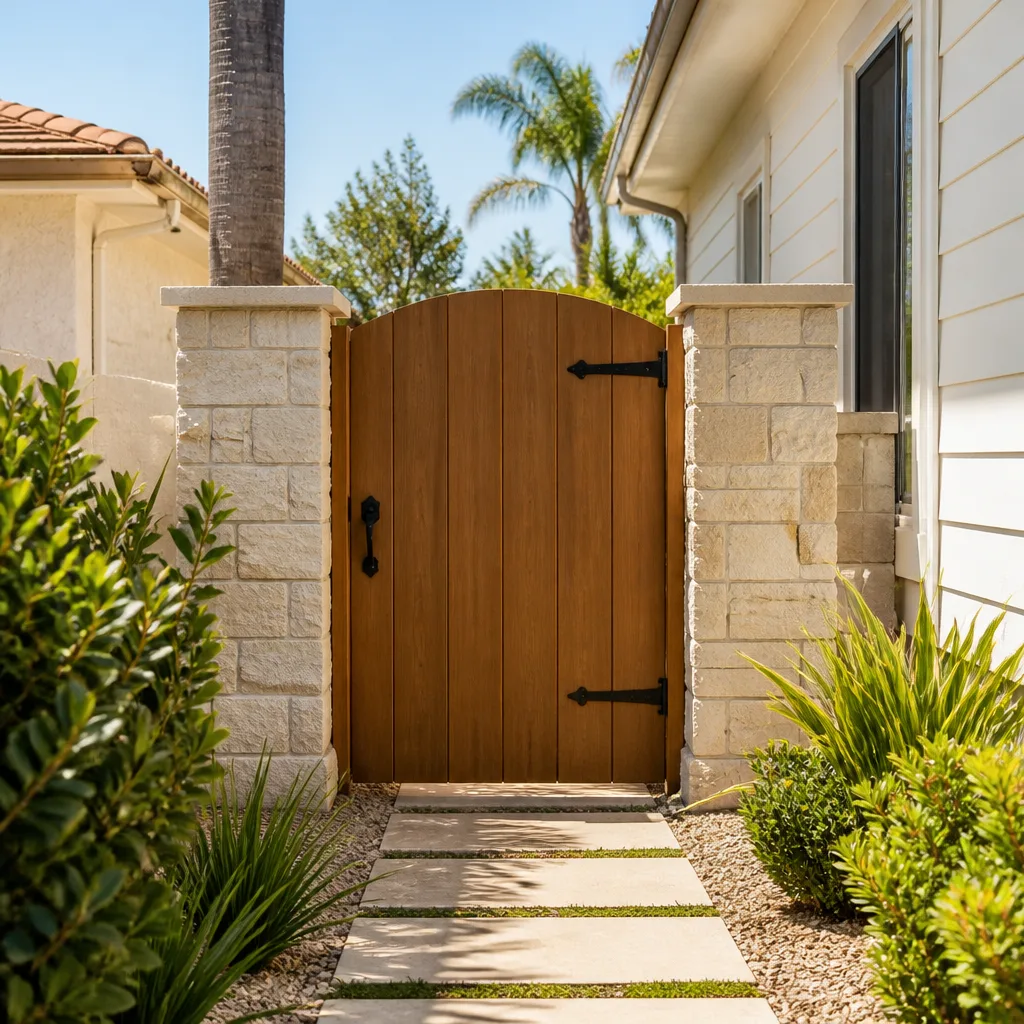
Fence materials work the same way: a specified aluminum or vinyl system has a wind rating and a warranty, and the cladding thickness is what separates a 10-year fence from one that fails its first named storm. See Fence Installation in Doral for the spec details specific to Doral’s wind zone.
How to Read a Material Submittal Document
A submittal is the contractor’s proof that what’s arriving on the truck is what was specified. A complete submittal package includes the manufacturer’s product data sheet, the NOA or product approval, and the installation instructions – and it should arrive before or with the delivery, not weeks later. Most homeowners never see one because most contractors don’t provide one.
Three fields confirm brand compliance:
- Manufacturer and product name, exactly. “Polymer-modified basecoat” isn’t a brand. “Quikrete Base Coat with X% polymer” is. If the sheet says “or equivalent,” the submittal isn’t complete.
- NOA or product approval number. Cross-check it on the county portal. Make sure it’s current and applies to the assembly being installed.
- The installation schedule. This is the part that catches substitutions: fastener type, spacing, adhesive, substrate prep. If the schedule on the submittal doesn’t match what the crew is doing, something changed.
When a submittal is missing a field, don’t sign it. Ask for it in writing. Under Clause 1 of The Haven Standard, we put a written price with a written scope before any work starts – and the same discipline applies to material submittals. The customer should be able to hold the spec sheet in one hand and look at the delivered product with the other.
Warranty Transfer Rules: Whose Name Is on the Claim?
Manufacturer warranties split into two camps, and the split determines whether you have recourse after the contractor has been paid and driven off.
Product-only warranties (common with sealers, fasteners, and some basecoats) follow the product itself. They’re usually short – one to five years – and often require registration by the original purchaser within a set window after installation. System warranties (common with roofing tile systems, complete window systems, and some stucco assemblies) attach to the assembly when installed by an approved contractor to the manufacturer’s spec, and are typically longer and transferable – but only if the original installation matches the written spec, the submittal is on file, and the property transfer is documented.
That’s a lot of “if.” The documentation a homeowner needs to file a valid claim after final payment:
- The submittal package, signed and dated
- The NOA number and a copy of the assembly approval
- The warranty registration confirmation (often emailed to the homeowner, not the contractor)
- The signed change orders and final invoice, all matching the installed products
- The photo record of the installation – the deliverable that proves what was actually installed
Without that stack, a warranty claim becomes a conversation you can’t win. Doral homeowners who plan to sell within five years need these documents even more than long-term owners, because a buyer’s inspector will ask. Our crews leave behind a documented photo record on every visit as a standard deliverable, exactly so this stack exists.
The Substitution Clause in Your Contract
“Or equal” is the most expensive four words a homeowner can sign. Legally, “or equal” authorizes a contractor to substitute any product they judge equivalent to the specified one – and the judgment is theirs, not an inspector’s, not a testing lab’s. In HVHZ work, the substitution can void the assembly’s NOA even if the substitute brand is reputable, because NOAs are tied to specific product-and-component combinations, not to brands in general.
The fix is a substitution clause that removes the judgment from the contractor and puts it in writing. Here’s the language worth insisting on:
“The following products are specified by manufacturer, product name, and NOA or product approval number. No substitution is permitted without a signed written change order listing the substitute product, its NOA number, and the homeowner’s written approval. Manufacturer warranties on the installed assembly shall be registered in the homeowner’s name before final payment.”
That last sentence – warranty registered in the homeowner’s name before final payment – is the one most contracts miss, and it’s the one that matters most. The change-order discipline behind that clause is exactly what Haven’s Home Additions & ADU in Doral process is built on: no work on a change until the change order is signed.
How to Enforce Brand Compliance on the Jobsite
Specifying a brand is step one. Enforcing it is where most projects quietly drift. A few unglamorous habits close the gap:
- Photograph the delivery. Every pallet, every wrapper, before it’s opened. The wrapper has the brand and product code on it. Once installed, that proof is gone.
- Match the submittal to the wrapper, not to the truck driver’s description. If the product name differs by even a word from the submittal, stop.
- Ask for a change order the moment anything is swapped. No signature, no swap. This is the discipline that keeps project costs within a few percent of the agreed price.
- Walk the site at four points: delivery, rough-in, before finish, and final walk. Four photos at each point, taken by you and the crew, is the record.
- Keep the NOA number visible. Tape the printed NOA to a wall inside the work zone so the inspector and the crew work from the same document.
Doral’s building department is efficient but it’s not omniscient. Inspectors check what they can see. The homeowner’s job is to check what gets buried.
Common Mistakes to Avoid
- Comparing quotes by total price before comparing brand names – two identical-looking roofs can differ by thousands in material cost and decades in service life.
- Accepting “or equal” language without a written approval process – it authorizes a substitution you’ll never see on paper.
- Failing to verify the NOA on the county portal – an expired approval looks like a current one unless you check.
- Letting the contractor register the manufacturer warranty in the company’s name – the claim follows the registered owner, not the person who paid.
- Skipping the photo record of material delivery – once the wrapping is off and the product is installed, brand proof becomes difficult.
- Assuming a recognized brand on the quote means that brand will be installed – the submittal is the only proof.
- Mixing basecoat and finish-coat brands from different manufacturers in a stucco system – it voids the manufacturer system warranty in one step.
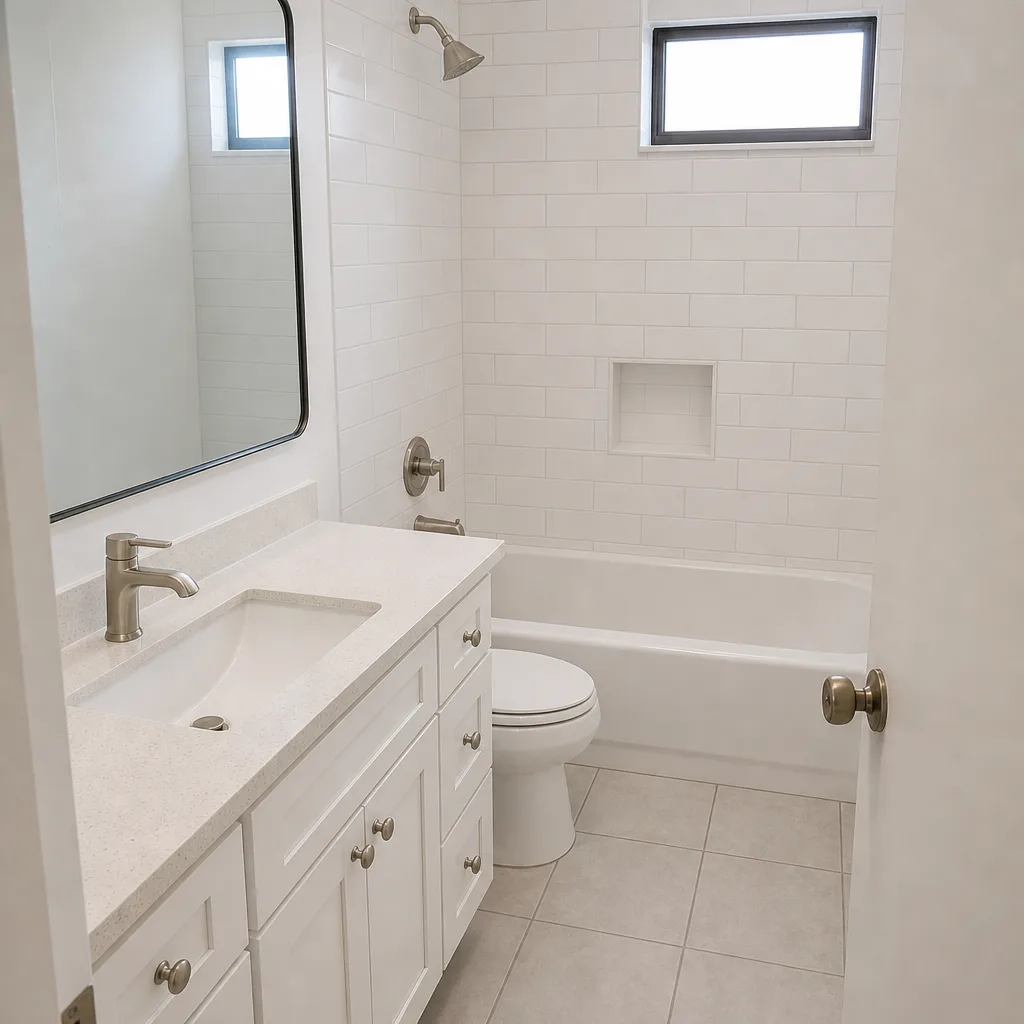
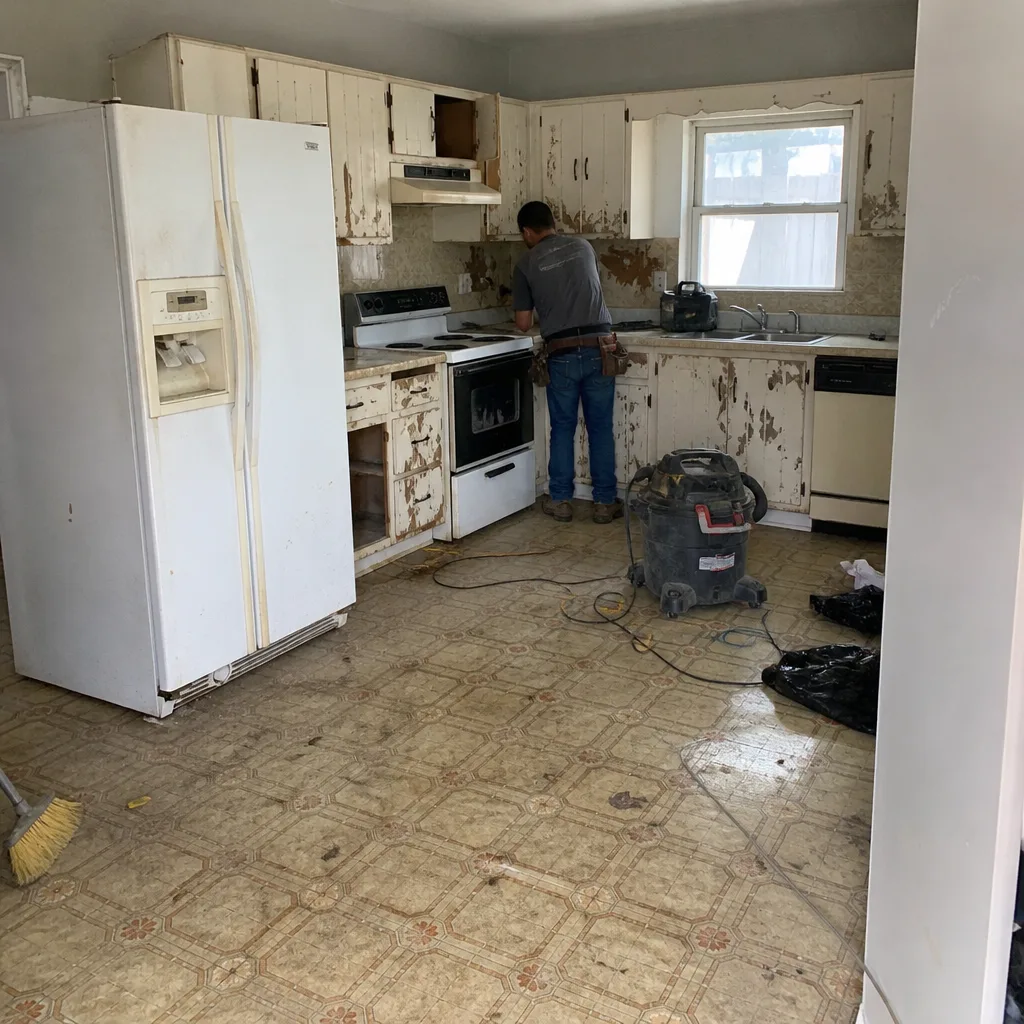
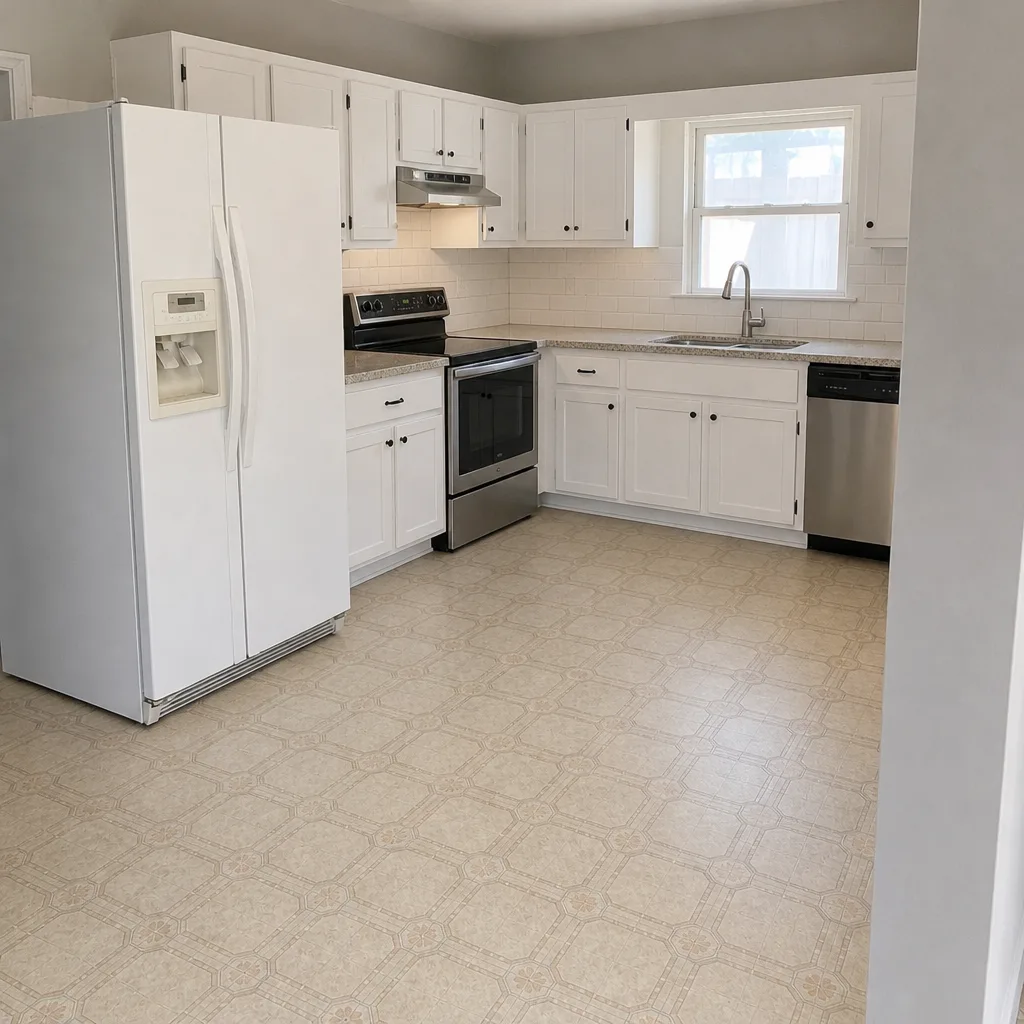
See the difference
 Before
 After
 Before
 After
 Before
 After
When to Call a Professional
If you’re replacing a roof, rebuilding an exterior envelope, installing new windows or doors, or adding a structure in Doral, the brand-specification work should happen before the contract is signed, not after the crew arrives. If you’ve already signed and you don’t have a submittal package, that’s worth a second opinion today. If a contractor has substituted a product without a change order, or you can’t locate the NOA for a system already installed, bring the paperwork and we’ll review it line by line. Rowan Construction Group Doral offers free estimates in Doral – call (888) 300-3896, and we’ll also review any competitor’s written estimate at no charge as part of our Free Second Opinion.
Frequently Asked Questions
A Miami-Dade Notice of Acceptance is the county’s product approval document certifying that a specific product, in a specific assembly, meets High Velocity Hurricane Zone code. It matters in Doral because the entire city sits inside HVHZ jurisdiction, so an unapproved product – even a reputable brand installed wrong – can fail inspection or void your manufacturer warranty.
Yes, if your contract says “or equal.” That language authorizes the contractor to substitute any product they judge equivalent, which in HVHZ work can void the NOA on the assembly. Replace it with “specified brand, no substitutions without written approval and a signed change order” before you sign.
Look up the NOA number on the Miami-Dade County product approval portal, and verify the manufacturer, product name, and assembly components all match. GAF, CertainTeed, Owens Corning, and IKO all publish HVHZ approvals, but the approval covers a specific assembly – so the fastener and adhesive schedule matters as much as the shingle brand.
The homeowner’s, before final payment. Product-only warranties often require registration by the original purchaser within a set window and don’t transfer; system warranties are typically longer and transferable, but only if the installation matches the written spec. Have the registration confirmation sent to your email, not the contractor’s.
The submittal package (signed and dated), the NOA or product approval, the warranty registration, all signed change orders, the final invoice matching the installed products, and the photo record of the installation. Keep them together; a future buyer’s inspector will ask for exactly this stack.
Yes. UV intensity, humidity, and wind code compound the difference. A specified paver sealer with measurable UV stability can outlast a generic one by several seasons before reapplication; a specified roofing underlayment carries an NOA that a substituted product may not. Call (888) 300-3896 for an exact quote on any system – estimates are free, and we’ll show you the NOA before you commit.
The Bottom Line
The brand on the wrapper is a legal and technical document, not a marketing label. In Doral, it’s tied to a NOA, a warranty registration, a submittal sheet, and a substitution clause – and any one of those missing can turn a 25-year assembly into a 10-year one. Specify by brand and product name, verify the NOA on the county portal, register the warranty in your name, insist on a signed change order for any swap, and keep the photo record. None of that is glamorous. All of it is what separates a project that finishes within a few percent of the agreed price from one that surprises you six months later. Rowan Construction Group Doral answers calls live 24/7, delivers a written price before any work starts, and stands behind it with the 365-Day Done Right Promise.
Call (888) 300-3896 for a free estimate. We’ll review your written quote, match the brand to the NOA, and put the number in writing before anyone picks up a tool.
Written by the team at Rowan Construction Group Doral.