
Driveway & Pavers: Repair or Replace? How Doral Homeowners Decide
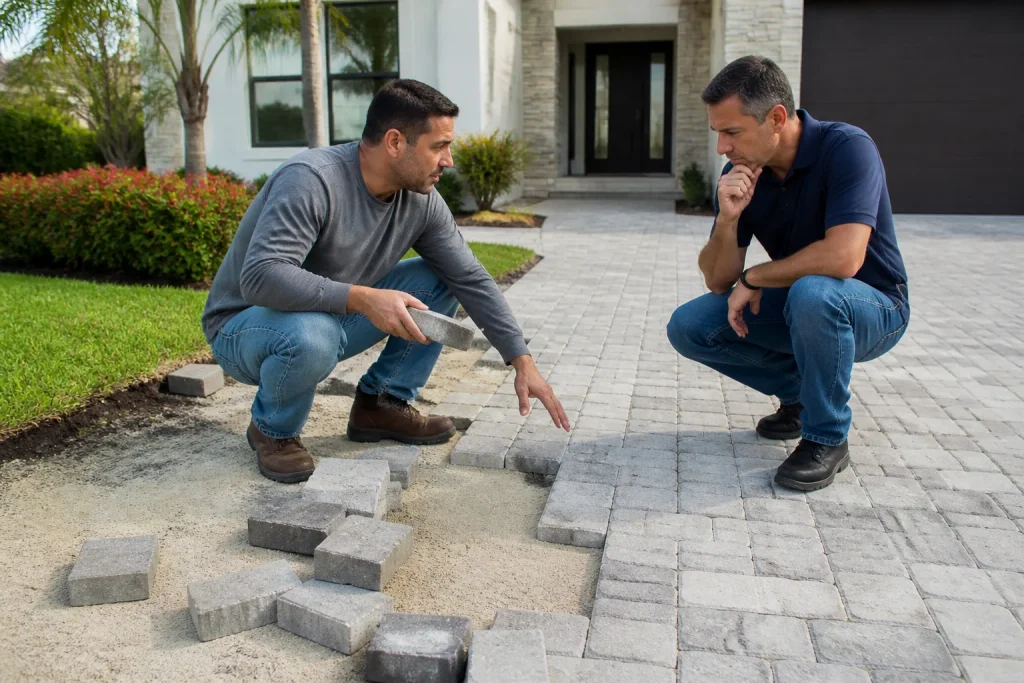
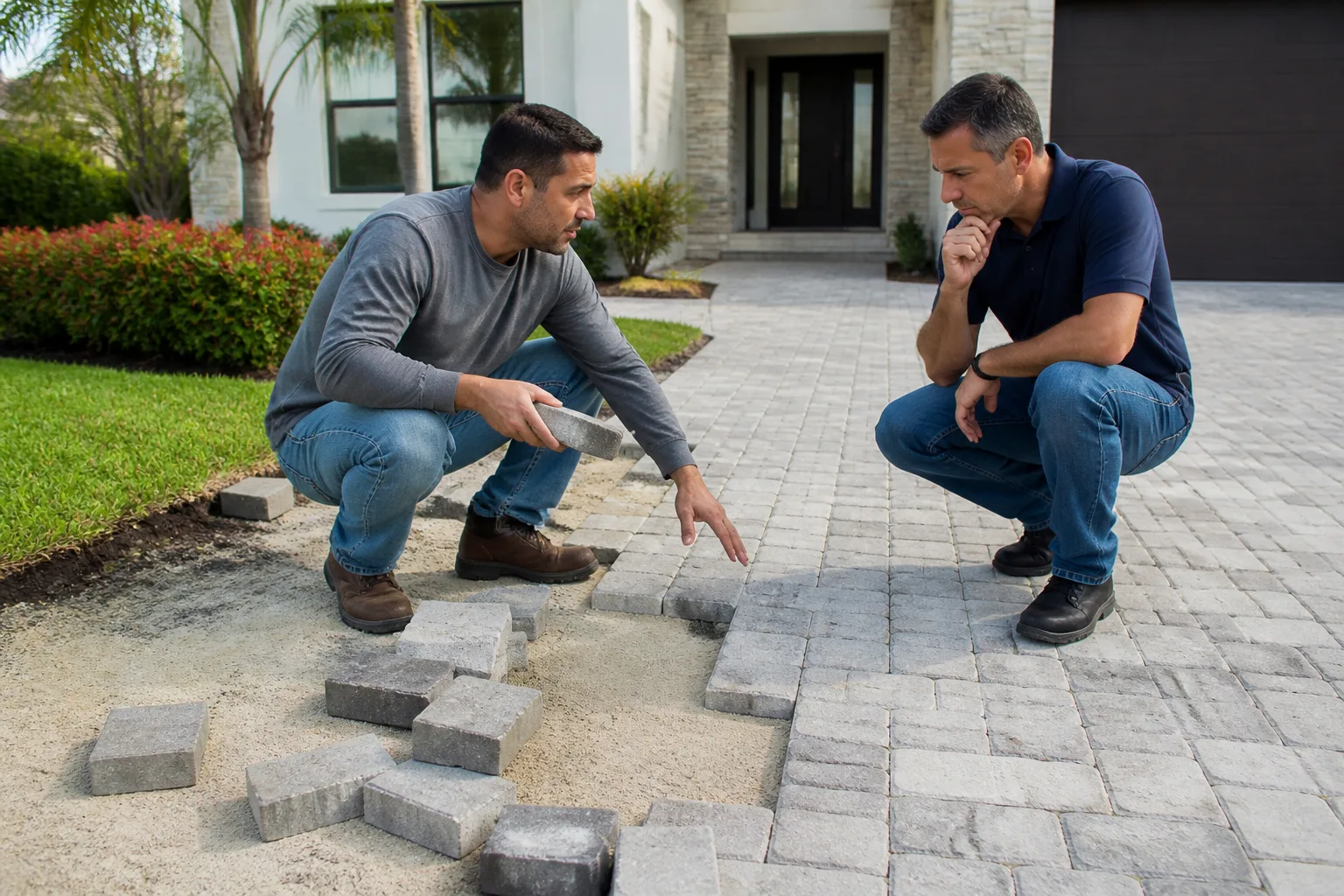
If more than 30% of a paver field is rocking, cracking, or sitting unevenly, the base layer underneath is almost always the cause – and patching the surface without fixing that base fails again within about 18 months. The repair-or-replace call isn’t a judgment call. It comes down to three things you can actually measure: how many pavers have failed structurally, whether the base is still intact, and whether you can still get matching material. Here’s how to run those checks yourself in Doral before anyone quotes you a number.
If you’d rather hand the diagnosis to someone who puts the findings in writing, call (888) 300-3896. Estimates are free, and no one touches a tool until you have the assessment in hand.
Why Doral Driveways Fail Differently Than Most of Florida
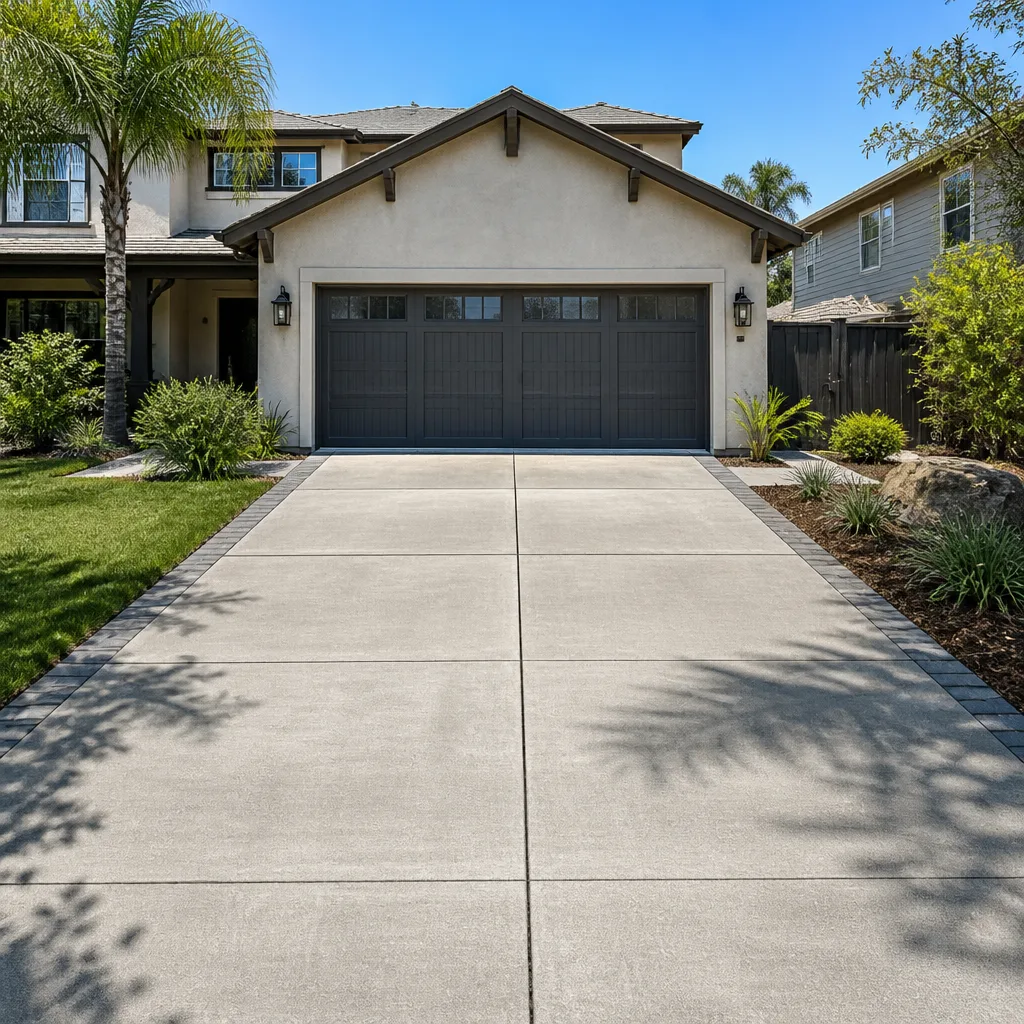
Doral sits on some of the flattest, lowest-lying ground in Miami-Dade, and that geography drives most of the paver problems we see. When summer thunderstorms drop two inches in an hour, water has nowhere to run if the driveway’s slope has drifted. The water pools, the base layer saturates, and the pavers above it begin to shift. Add the afternoon sun baking the surface and the daily expansion-contraction cycle of a Doral driveway, and you get a pattern of failure that shows up first at the edges and around the garage apron, not in the middle of the field.
We’ve also noticed a seasonal signature here. Failures cluster in the spring, right after the dry season ends – the first heavy rains find every void in the base that opened up during the winter. If your driveway only looks bad after a storm, that’s usually a drainage-and-base story, not a paver-quality story.
The reason this matters: Doral’s building department requires site drainage that keeps stormwater on your lot rather than pushing it onto a neighbor or the street, and a paver driveway that’s stopped draining properly can create a compliance headache on top of a structural one. When we assess a driveway in Doral, we look at where the water goes as carefully as we look at the pavers themselves.
The Three-Part Test for Base Integrity
Most contractors who recommend a full replacement never measure anything. They glance at the driveway, see a few bad pavers, and quote the biggest job. You can do better than that with three checks, two of which you can do in ten minutes with no tools.
- Visual inspection. Walk the whole field in daylight and look for pavers that sit lower than their neighbors, sand joints that have washed out, and cracks that run edge to edge. Note where the failures cluster. Failures concentrated in one area point to a local base problem under that area. Failures scattered across the whole field point to a base that’s failed broadly.
- The rocking test. Step on each suspect paver and shift your weight. A paver that rocks underfoot has lost its bedding sand and usually its base support beneath that spot. Mark each one with chalk as you go. This is how you build the count you’ll need for step three.
- The probe measurement. A contractor – or a handy homeowner with a stiff probe rod – pushes a thin steel rod down through an open joint to feel the base layer below. A base that’s still compacted resists the rod. A base that’s been undermined by water lets the rod sink easily or come up wet. This step is what tells you whether the problem is at the surface or three inches down.
Steps one and two you can do this weekend. Step three is worth having a pro do, because reading a probe correctly takes some practice. That’s the point where we’d tell you to look at our Doral driveway and pavers page for what a full assessment covers.
How to Calculate Your Percentage of Compromised Pavers
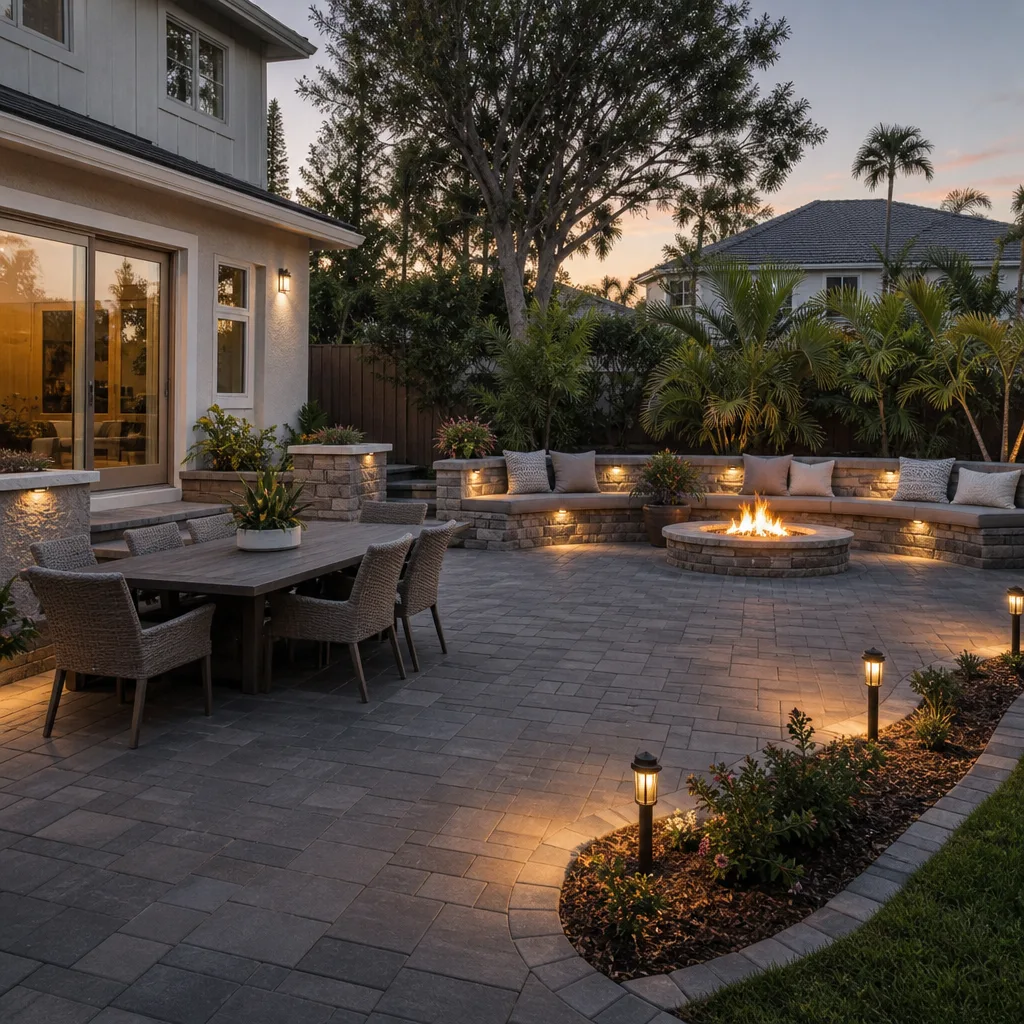
This is the single most useful number in the whole decision, and almost nobody calculates it. Count your failed pavers – rocking, cracked, sunken, or missing sand – and divide by the total paver count in the driveway. A typical Doral two-car driveway runs somewhere between 1,200 and 2,000 pavers depending on size and paver dimensions, so you can often count the failures and estimate the total from the square footage.
Here’s how we read that percentage:
- Under 10% compromised: Usually a spot-repair job. The base is holding, and you’re fixing isolated failures, not a systemic one.
- 10% to 30%: The gray zone. Repair is often still economical, but only if the failures are clustered rather than spread out. Scattered failures in this range usually mean the base is on its way out across the whole field.
- Over 30%, or failures clustered in one large contiguous area: The base has failed. A surface repair here is money spent to postpone a replacement, and it fails again within roughly 18 months.
One caveat that matters in Doral specifically: if the compromise is concentrated along the garage apron or the street edge, percentage alone undersells the problem. Those are the load-bearing zones where cars turn and park, and they fail faster than the open field.
The Matching-Material Problem Nobody Warns You About
Partial replacement sounds clean until you try to match the pavers. Paver manufacturers run colors in batches, and dye lots shift slightly from one production run to the next. A paver bought three years after yours was installed may be the same model and same “color” and still read as visibly different in daylight. Some styles get discontinued outright.
This changes the economics of a spot repair. If you can’t source a close match, your repair becomes a visible patch – and a visibly patched driveway can lower what a buyer offers, especially in Doral’s resale market where curb appeal gets priced in. When we quote a Belgard or Techo-Bloc repair in Doral, we check batch availability before we quote, because a repair that looks worse than the damage is not a repair.
There’s an option worth knowing about: a “harvest” repair, where good pavers are pulled from a hidden area of the driveway to replace visible failures, and new or non-matching material goes in the hidden spot. It works, and it’s how we’ve solved the matching problem on a handful of Doral jobs. It takes a contractor willing to do the careful work rather than the fast work.
Repair vs. Replace: The Doral Cost Math
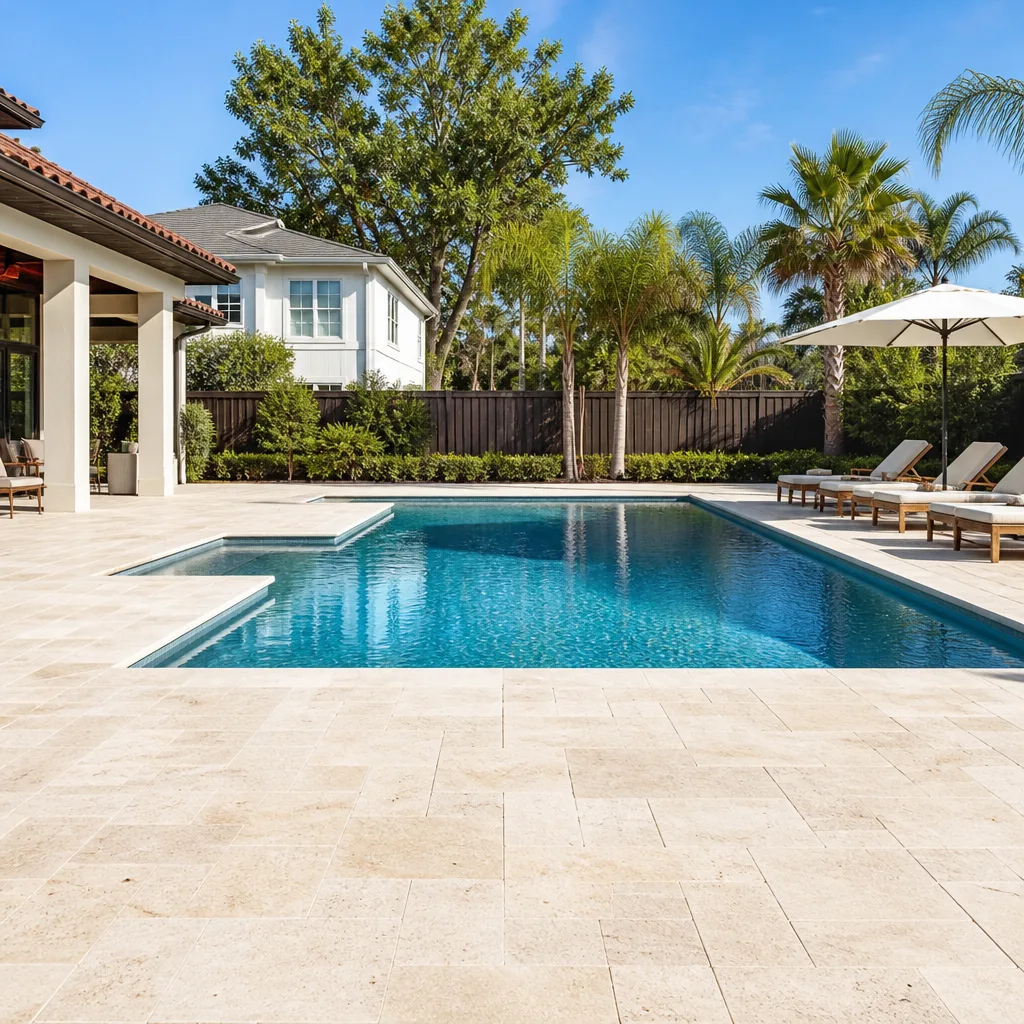
Here’s the number-first comparison that tells you where the break-even sits. These are typical Doral ranges for standard paver driveways; your exact number depends on the area, the paver type, and whether drainage work is included.
| Scope | Typical Doral cost per square foot | What it covers |
|---|---|---|
| Spot repair | $12 – $18 | Lifting and resetting failed pavers, replacing bedding sand, addressing a local base issue |
| Full replacement | $14 – $22 | Removing old pavers, redoing the base, relaying the field, new edge restraints |
Run the math on a 600-square-foot driveway. At 20% compromised, you’re repairing about 120 square feet at $15 per square foot, so roughly $1,800. Full replacement at $18 per square foot comes to about $10,800. Repair wins clearly. At 40% compromised, repair is on 240 square feet, about $3,600 – and you’re repairing the same failing base twice. Replacement starts looking smarter, because $14 – $22 gets you a new base, not a patched one. The break-even usually lands somewhere around 30% to 35% compromised, and it moves up if the failures are clustered and matching material is available.
Under Clause 1 of The Haven Standard, we put that number in writing – flat price, written scope, written warranty – before any work starts. That’s the discipline that’s kept projects within a few percent of the agreed cost across 4,000-plus jobs.
What a Written Repair Assessment Must State
A verbal assessment – “looks like the base is shot, probably need to replace” – isn’t worth the air it takes. A repair or replacement recommendation you can act on should be a document. We give every Doral homeowner one, and here’s what we insist it contains:
- The failure cause, named specifically. Not “wear and tear” – something like “bedding sand washed out along the north edge, causing pavers to de-bond from the base.”
- The base condition, documented in plain terms. The probe findings, water behavior under a test pour, and the photo record. Our visits include a documented photo record as standard, so you can compare what’s found with what’s fixed.
- The percentage of compromised pavers. The number, written down, so you can see the math behind the recommendation.
- Warranty terms that differ between the two scopes. A repair warranty typically covers the pavers reset and the labor; a replacement warranty covers the base, the field, and the material. The two are not interchangeable, and the written document should say which one you’re getting.
If a contractor won’t put the cause, the base condition, and the warranty on paper, that’s the assessment to walk away from.
When to Call a Pro
Steps one and two of the diagnostic – the visual inspection and the rocking test – are genuinely yours to do. Once a probe enters the picture, or once you’re looking at a repair that involves lifting a field of pavers to reach a base, it’s a pro job. Lifting and resetting pavers looks straightforward but a badly reinstalled field fails within a season. Pulling up a base and recompacting it is the kind of work that separates a repair that lasts from a repair that looks fine until the first Doral thunderstorm.
That’s the point where a second opinion is worth the phone call. Bring any written estimate to us and we’ll review it line by line, free. We’ve spotted scopes that missed the base entirely and quoted repairs on a driveway that was 50% compromised. The second opinion is part of the standing offer.
Related services in Doral: if a driveway project turns into a bigger backyard upgrade, our Doral fence installation and Doral home additions and ADU work are quoted on the same pricing model. And if you’re planning around the driveway, our Rowan Construction Group Doral home page lays out the trades we cover.
The Bottom Line
The repair-or-replace decision isn’t a matter of taste. Count compromised pavers, test the base, check whether matching material exists. Under 10% compromise, repair. Over 30%, or a failing base under a large contiguous area, it’s replacement. Between those, let the base condition and matching-material situation break the tie. The number that decides the call should be on a page you can screenshot and compare, not in a contractor’s head. Our technicians have up to 19 years of experience reading exactly these conditions, and every Doral driveway we assess gets a written finding before anyone recommends a scope.
If you’re in Doral and want a free estimate on the repair or replacement, Rowan Construction Group Doral offers one – call (888) 300-3896. You’ll get a flat written price, a written scope, and the 365-Day Done Right Promise backing the work.
Frequently Asked Questions
Spot repair in Doral typically runs $12 – $18 per affected square foot, covering the failed pavers, new bedding sand, and a local base fix. Full replacement runs $14 – $22 per square foot total, including a new base. Call (888) 300-3896 for an exact quote on your driveway – estimates are free.
No. Under Clause 1 of The Haven Standard, the price is written before anyone starts, and no change proceeds until a written change order is signed. That’s the discipline that’s kept our projects within a few percent of the agreed price. Call (888) 300-3896 for a written quote.
Yes, if the compromised pavers are 10% or fewer and the base under that area is still sound. Matching new material to older pavers can be the catch, so have the batch check done before you commit. Call (888) 300-3896 and we’ll check availability and quote the repair.
A typical Doral two-car driveway replacement takes about three to five working days, weather permitting, from removal through re-sanding and sealing. Repairs are often a one-day job. Call (888) 300-3896 for a written schedule with your estimate.
Written by the team at Rowan Construction Group Doral.
Need Construction Help?
Call Rowan Construction Group Doral - licensed & insured, here with fast after-hours help in Doral.
(888) 300-3896