Last updated November 18, 2026



Free written scope consultation - allowances, timeline, and change-order rules on paper before a single trade is scheduled
Home Additions & ADU Maintenance Schedule: What to Do and When
The flashing where a new addition roof ties into the existing roof is the single highest-failure point in residential additions in South Florida. It needs a visual inspection every six months, not every five years. Most homeowners never look at it, because no one told them it existed. A home addition or ADU shares the base home’s systems, but it adds new junction points, and those junctions are where water, power, and settlement problems show up first. This guide gives you a month-by-month calendar for the first year and a permanent maintenance cadence after that, written from what we see on additions across Doral.
Quick Answer
Inspect your addition’s roof tie-in flashing and tie-in wall every six months, clean the mini-split filters monthly, and schedule a full junction-point review at each season change. In Doral, lock hurricane prep into May and post-storm inspection into October as fixed calendar events. The first year after construction needs the closest attention, because settlement, caulk cure, and HVAC balancing are all still active.
Styles & brands we work with
- Kitchen remodeling
- Bathroom remodeling
- Home additions & ADU
- Roofing
- Windows & doors
- Driveway & pavers
- Fence
Table of Contents
- The First-Year Calendar: What Happens Month by Month
- The Five Junction Points Unique to Additions
- South Florida Seasonal Logic: May and October
- ADU-Specific Maintenance Items
- Roof and Drainage: The Six-Month Inspection
- Electrical and HVAC: Protecting the New Circuits
- The Documentation File for Insurance and Resale
- Common Mistakes to Avoid
The First-Year Calendar: What Happens Month by Month
The first twelve months after construction are the busiest maintenance period an addition will ever have. New caulk shrinks as it cures. Concrete and slab edges settle. HVAC zones need rebalancing once the space is actually occupied and producing heat. If you bought a home in Doral built between 2015 and 2025 and added square footage, this calendar applies to you.
- Month 1: Walk the perimeter and photograph every exterior caulk joint and the tie-in wall. Note any cracks in drywall at corners or door frames. Record HVAC register temperatures in the new zone against the main house.
- Month 2: Re-check caulk at the tie-in wall and around new windows. Check the ADU or addition door weatherstripping for gaps. Clean the mini-split filters for the first time.
- Month 3: Look at the roof step flashing after the first heavy rain. Check the foundation transition line where the addition slab meets the original structure for new hairline cracks.
- Months 4-6: Clean mini-split filters again. Test the new subpanel breakers. In May, complete your hurricane prep walk-through (see the seasonal section). Confirm drainage away from the addition’s downspouts.
- Months 7-9: Re-inspect all caulk joints. Any that pulled away get replaced with a high-humidity-rated sealant. Check that the new drain line from the addition is flowing without backup.
- Months 10-12: After hurricane season peaks in October, do the full post-storm inspection. Schedule your first professional junction-point review and start the permanent six-month cadence.
One note: settlement in Doral’s sandy, high-water-table soils shows up as small vertical cracks at door and window corners. A hairline crack is normal. A crack wider than a credit card edge, or one that keeps growing, means it’s time to call a professional.
The Five Junction Points Unique to Additions
These are the five places where new construction meets old, and where maintenance effort pays off most. Every addition and ADU has them, and most homeowners don’t know they exist until something fails.
- Tie-in wall. The vertical seam where the addition meets the existing exterior wall. Check the caulk or sealant twice a year. In Doral’s humidity, a failed seal here lets water wick behind stucco and rot the framing. Look for staining, bubbling paint, or a chalky white crust at the joint.
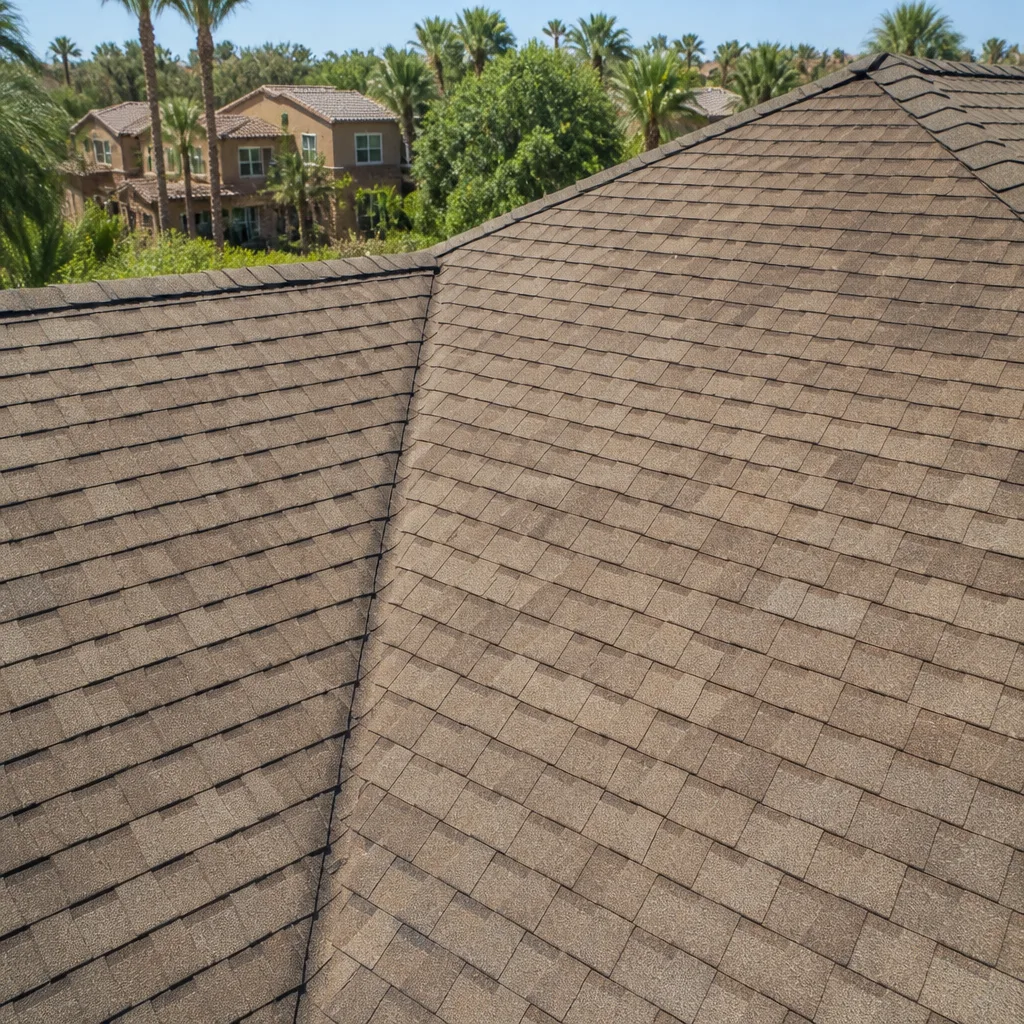
- Roof step flashing. The layered metal where the new roof meets the old roof slope. This is the highest-failure point in South Florida. Inspect it every six months from a safe vantage point or with binoculars. Never climb a wet or steep roof to check it yourself; call a roofer.
- New subpanel connection. The breakers feeding the addition or ADU live in a new panel or a new sub-section. Test the breakers once a quarter by flipping them off and back on. Leave panel work itself to a licensed electrician – opening a panel is genuinely dangerous.
- Shared drain line. The addition’s plumbing ties into the main house drain. If you notice slow drains in the main house after a heavy week of ADU use, the shared line may be partially blocked. Camera inspection catches it before a backup.
- Foundation transition. The line where the new slab or footing meets the original foundation. Watch for cracks that widen over time and for any water pooling along that seam after storms. Proper grading away from the line matters most here.
If you’re still planning the project, our Home Additions & ADU in Doral guide covers how these junctions get built in the first place.
South Florida Seasonal Logic: May and October
Doral doesn’t have a cold season to close up for, but it has a hurricane season, and that changes everything about how you schedule maintenance. Treat May and October as fixed calendar events, not optional.
May: Hurricane prep. Before the season starts, secure anything the addition added to your wind exposure. Check that the roof tie-in flashing is tight, that downspouts are clear, and that the addition’s windows and doors latch and seal properly. If your addition used impact-rated glazing from a brand like PGT or CGI, verify the labels are intact and no seals have pulled. Store loose patio items inside the ADU or garage. Photograph every junction point so you have a “before” record for insurance.
October: Post-storm inspection. After the peak of the season, walk every junction point again. Look for lifted flashing, displaced shingles, new cracks, water intrusion inside the addition, and any bubbling at the tie-in wall. Check that the shared drain line didn’t get overwhelmed. Doral’s heavy summer rain bands stress drainage hard, and a slow leak at the tie-in wall can go months before it shows inside.
Between those two anchors, keep the routine items on a quarterly loop: mini-split filters, breaker tests, and caulk checks. The seasonal logic does one thing well – it forces two full inspections a year instead of one you keep postponing.
ADU-Specific Maintenance Items
An ADU takes everything above and adds a few items you won’t have on a standard addition, because it’s a full second dwelling with its own systems running every day.
- Exterior door weatherstripping. ADU entry doors face full sun and blowing rain. Use weatherstripping rated for high humidity and check it every three months. Compressed or cracked stripping lets humid air in, which drives up cooling costs and feeds mold at the door frame.
- Mini-split filter cleaning. If the ADU uses a ductless mini-split, clean the filters every four weeks during heavy-use months and every eight weeks otherwise. Doral’s dust and pollen load clogs filters faster than most owners expect, and a clogged filter strains the unit and freezes the coil.
- Water heater anode rod. The ADU’s water heater has its own anode rod, and it’s the part that sacrifices itself to protect the tank. Check it at the end of year one, then every two to three years. In South Florida water, rods wear faster than the manufacturer’s generic schedule suggests.
- Dedicated circuit checks. Because the ADU usually has its own subpanel, test those breakers quarterly and keep a simple log. If one trips repeatedly, that’s a signal, not a nuisance.
One upgrade worth considering when the ADU was built: impact-rated windows from a manufacturer like CWS reduce the storm-prep checklist every May. If your Doral ADU already has them, your prep is simpler than most.
Roof and Drainage: The Six-Month Inspection
The six-month roof inspection is the core of this whole schedule, because the roof tie-in is where additions fail. Here’s what to check, and when:
- March and September (before and after the worst of the rain season): inspect the roof step flashing where the addition meets the main roof. Look for separated metal, lifted shingles, or granule loss on the surrounding field shingles.
- Check gutters and downspouts for the addition’s roof section. Clear any debris and confirm water flows away from the foundation transition line, not toward it.
- Look at the tie-in wall from the ground with binoculars. Confirm the flashing above it overlaps correctly and the sealant line is intact.
- After any named storm, re-check the same spots. Note anything that shifted.
Roofline work involves height and, on a steep pitch, real fall risk. Don’t walk the roof yourself. A visual check from the ground plus a professional inspection every six months covers it. If your primary roof is due for replacement alongside the addition, see our guide on driveway and paver work in Doral for how exterior drainage ties together, or plan the roof through the main Rowan Construction Group Doral home page.
Electrical and HVAC: Protecting the New Circuits
The addition’s subpanel and HVAC zone are the mechanical heart of the new space, and they need a light quarterly routine so small problems don’t become expensive ones.
On the electrical side, test each breaker in the new subpanel once a quarter. Keep a log of any trips. Repeated trips on the same circuit point to an overload or a failing device, and both are worth a licensed electrician’s look. Never open the panel yourself – the main feed remains live even with the breaker off, and panel work is genuinely dangerous. Your job is to notice and log; the electrician’s job is to open it.
On the HVAC side, the addition likely has its own zone or a dedicated mini-split. Rebalance is often needed in the first year once the space is furnished and occupied, because the original load calculation didn’t account for real furniture, blinds, or a home office running all day. Check the supply and return temperatures in the new zone against the main house each season. A five-degree gap is worth a service call; a fifteen-degree gap means the zone needs attention right away. Clean filters monthly during heavy use, and confirm condensate drains aren’t clogged – in Doral’s humidity, a blocked condensate line overflows fast.
The Documentation File for Insurance and Resale
Keep one physical or cloud file for the addition, and treat it as part of the home’s permanent record. This is what insurance adjusters and future buyers actually want to see.
- Photos. Dated photos of every junction point at move-in, plus the May “before storm” set and the October “after storm” set. Include close-ups of the tie-in wall and roof flashing.
- Receipts. Keep receipts for every service call, filter purchase, caulk reseal, and professional inspection. A dated receipt is proof the item was maintained.
- Inspection records. Any professional junction-point review, roof inspection, or electrician report goes in the file. If an inspector ever flags something, file both the finding and the fix.
- Warranty paperwork. The written warranty and the signed change orders from construction belong here too. When you sell, a documented record of upkeep is a concrete selling point, and it answers the three-star-review-minded buyer’s real question: was this addition cared for?
Under our 365-Day Done Right Promise, the warranty terms are printed and filed, not tucked in an asterisk. Keep your copy with the rest.
Common Mistakes to Avoid
- Ignoring the roof tie-in until it leaks. In Doral’s rain, by the time water shows inside the addition, the flashing has usually been failing for months. Inspect every six months, from the ground, and call a pro for the roof itself.
- Treating the addition as separate from the base home. The shared drain line, the subpanel feed, and the foundation transition all tie the two together. Maintain them as one system.
- Skipping the May prep and October inspection. These are fixed dates, not optional. A skipped October walk is how a lifted shingle becomes a ceiling stain.
- Letting mini-split filters go. Doral’s dust and pollen clog filters fast, and a clogged filter strains the unit and can freeze the coil. Monthly during heavy use.
- Doing your own roof, electrical panel, or gas work. Height work, live panels, and gas lines are genuinely dangerous. Notice the problem, log it, and call a licensed professional.
- Not keeping records. Without dated photos and receipts, you can’t prove the addition was maintained at resale or file a clean insurance claim.
- Resealing the tie-in wall with the wrong product. Standard caulk fails fast in South Florida humidity. Use a high-humidity-rated sealant and re-check it each season.
See the difference
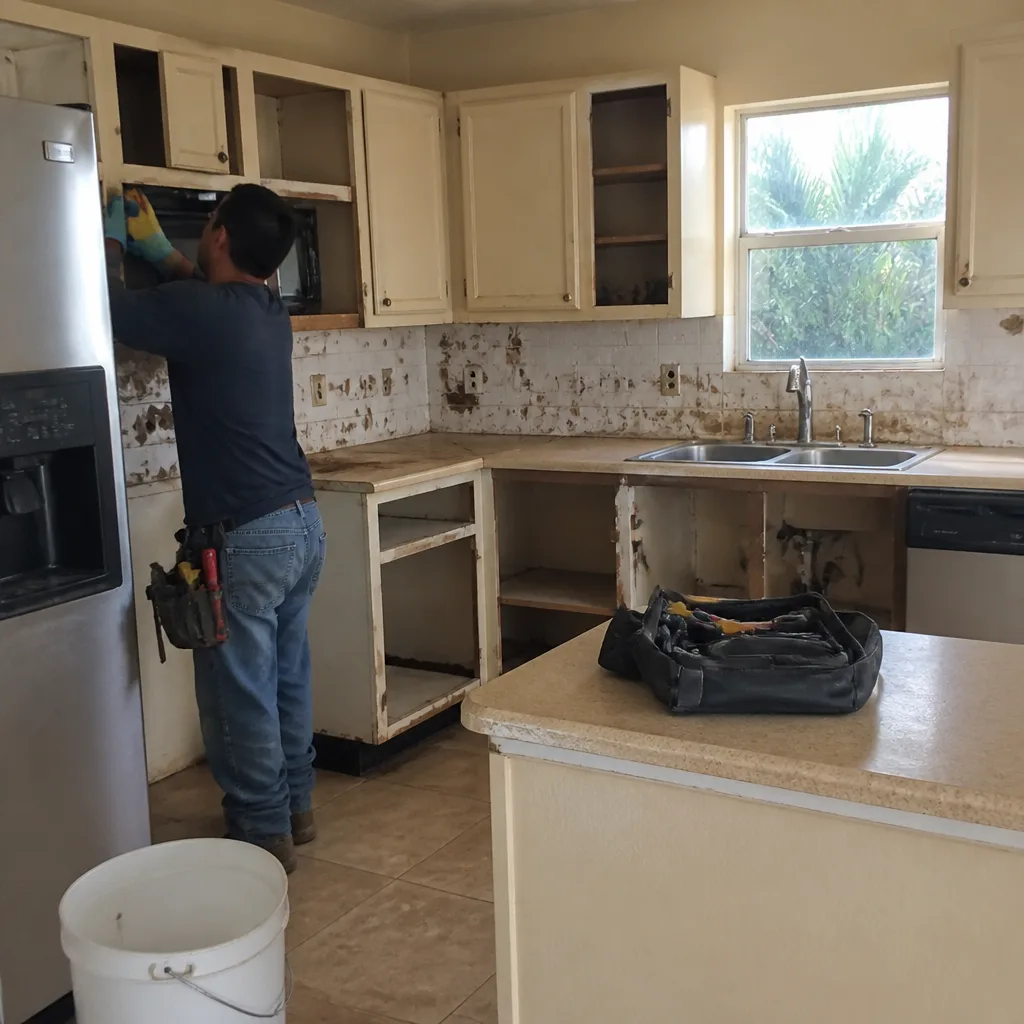 Before
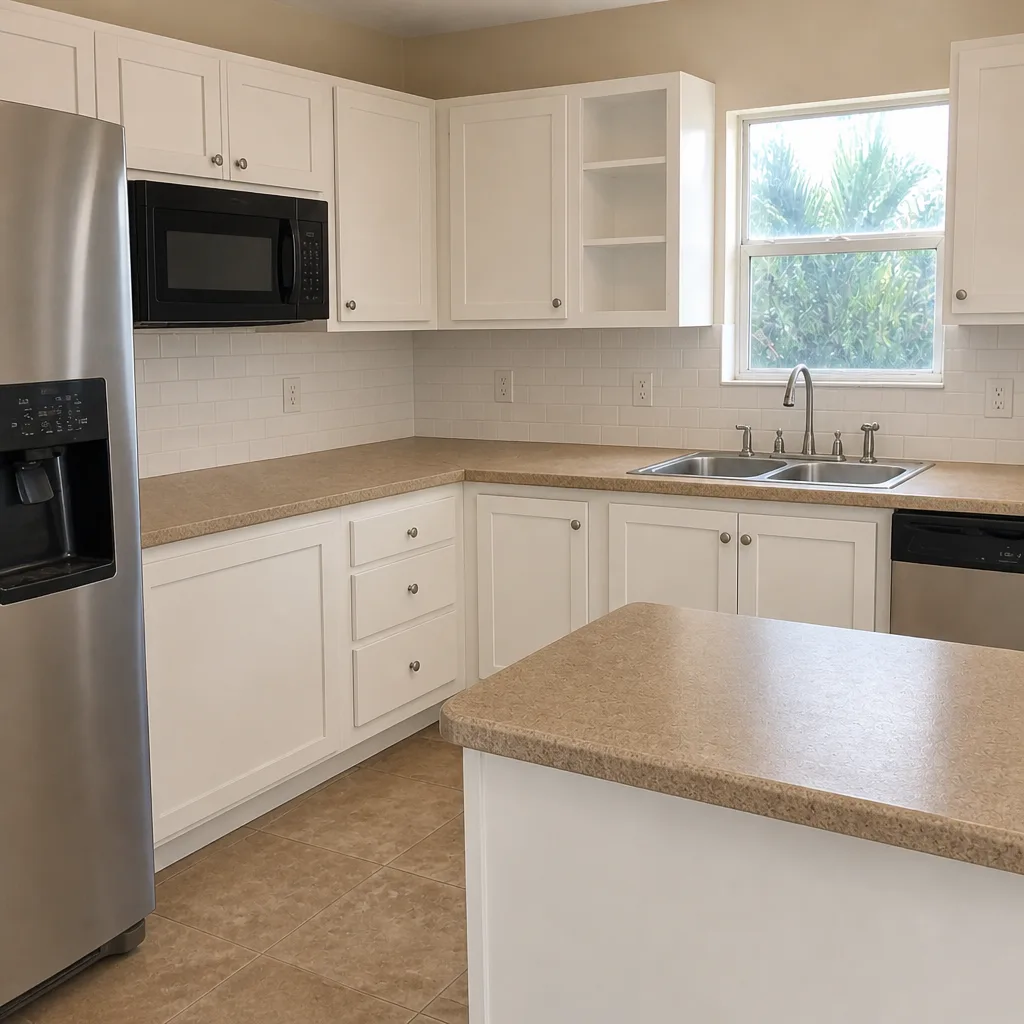 After
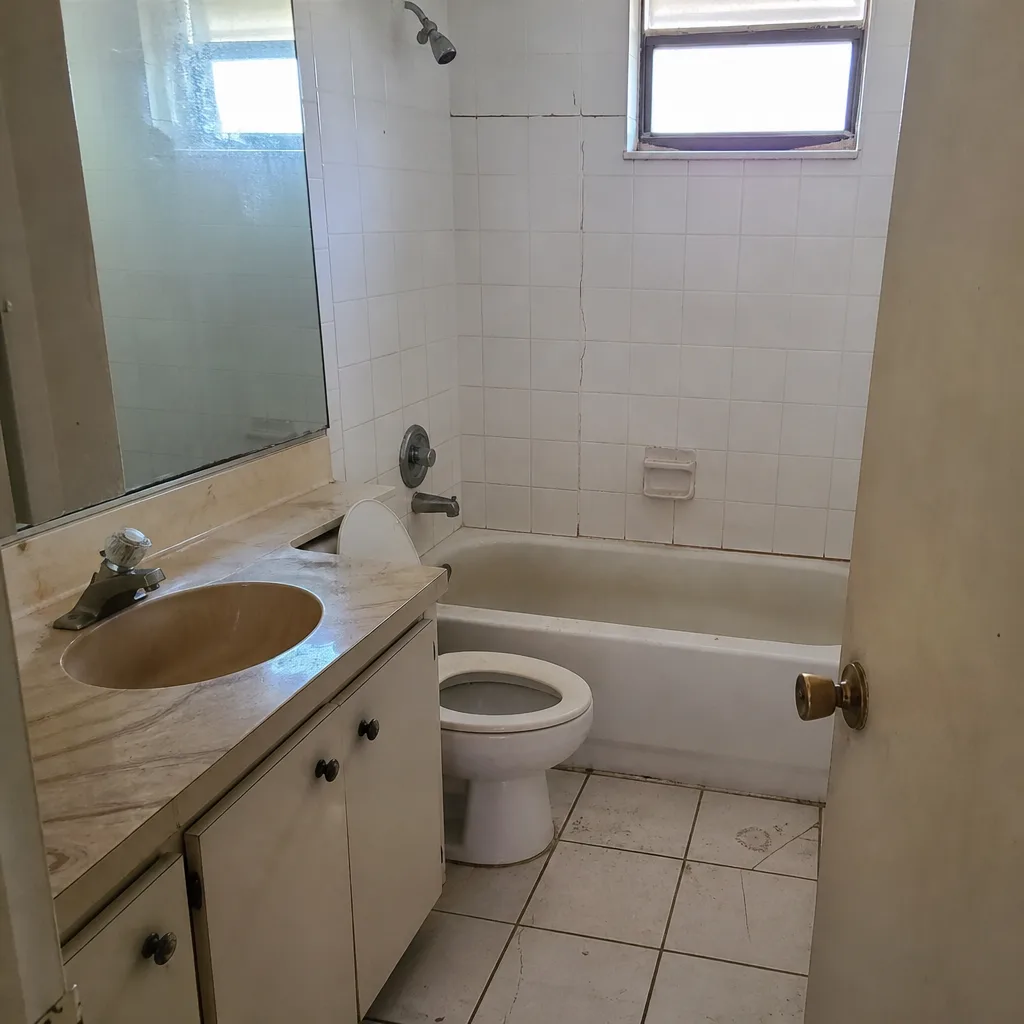 Before
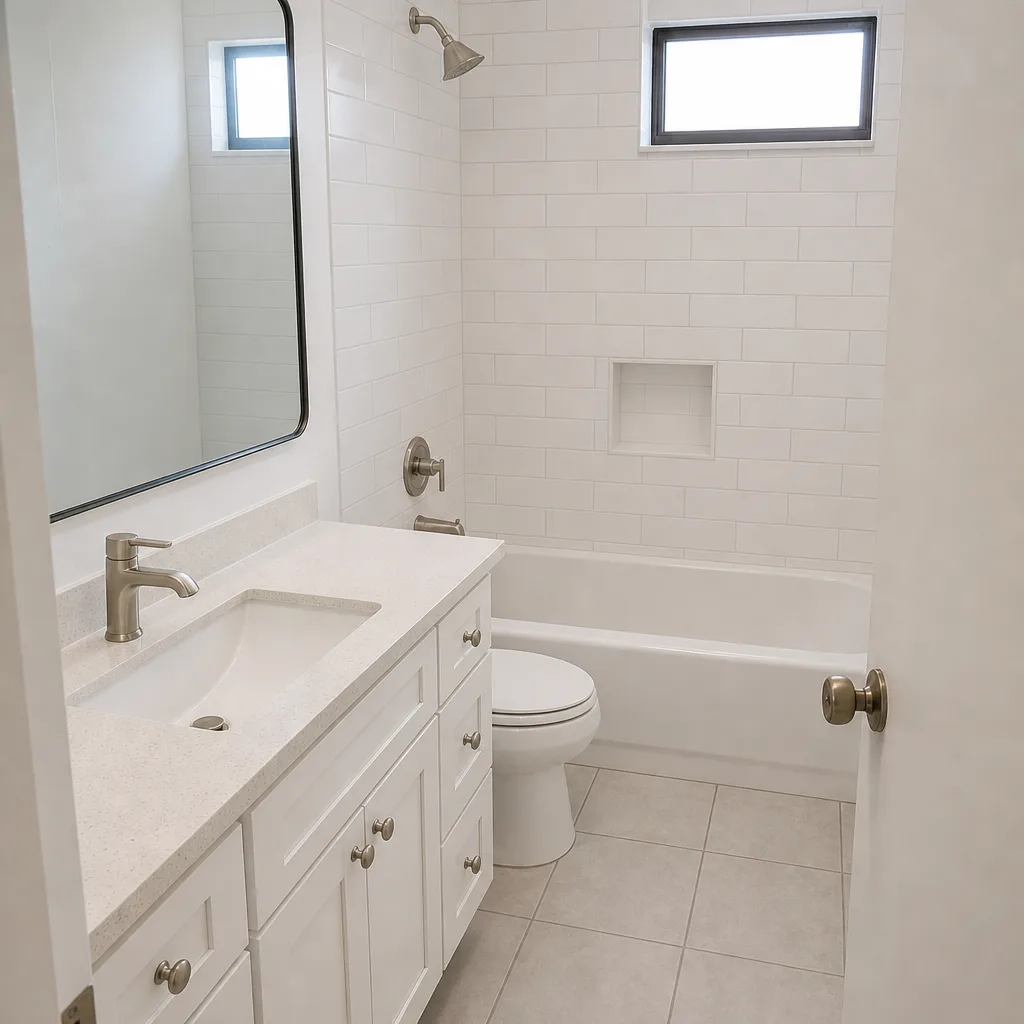 After
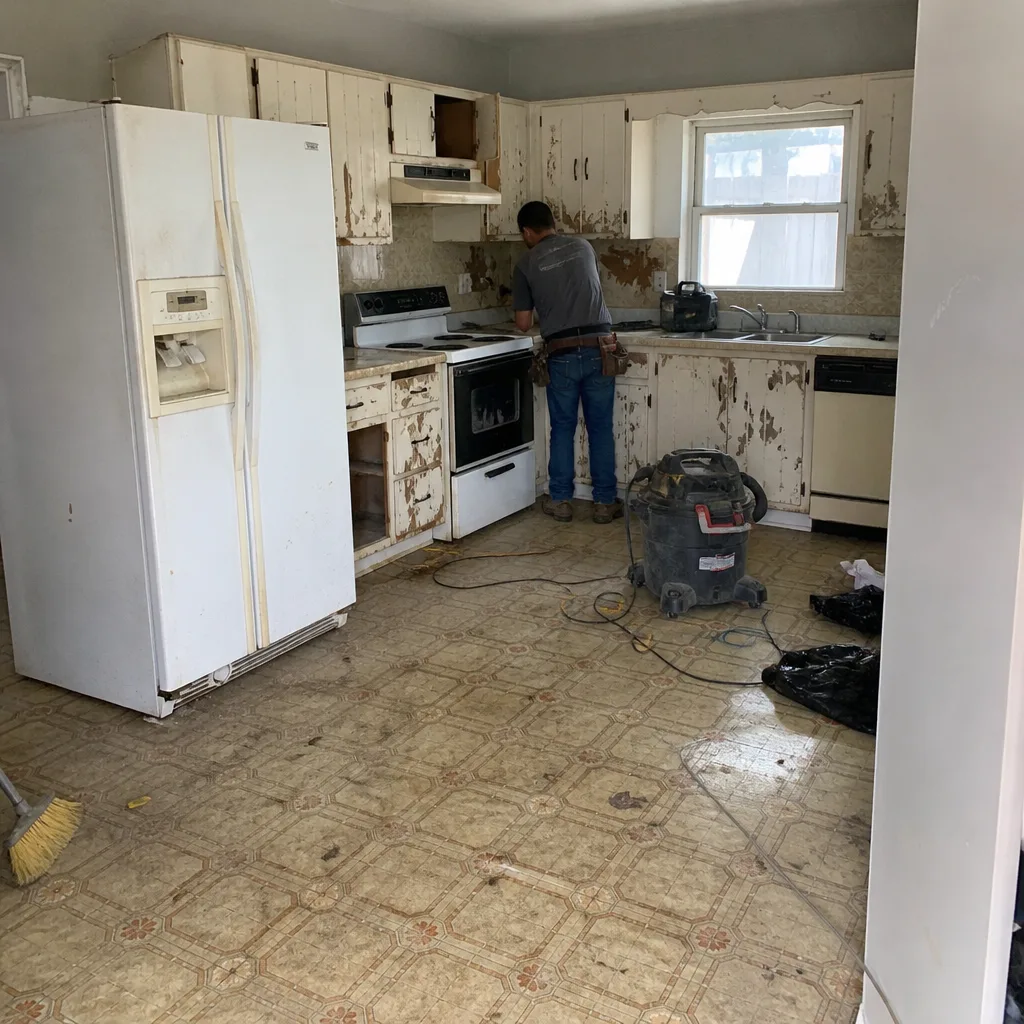 Before
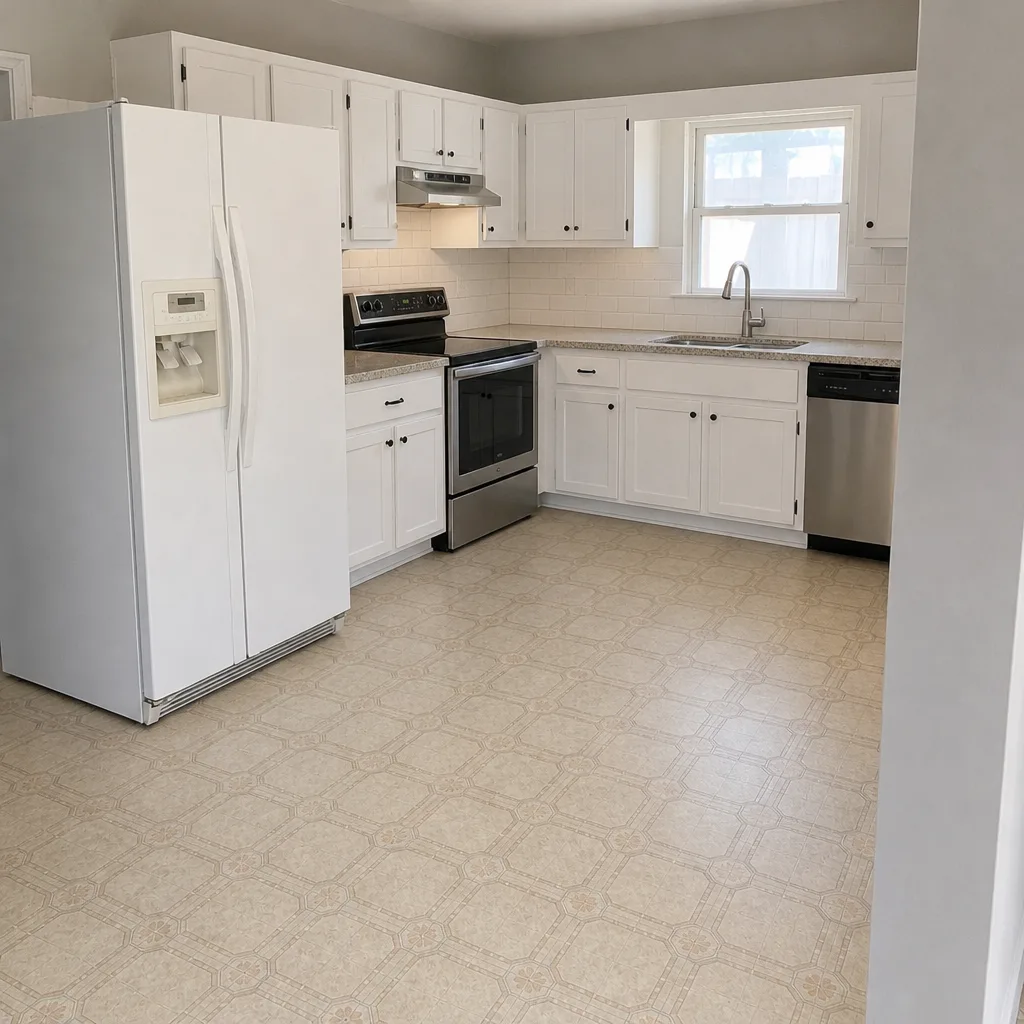 After
When to Call a Professional
Call a professional when you see water staining at the tie-in wall, a widening crack at the foundation transition, repeated breaker trips in the new subpanel, or any change to the roof step flashing after a storm. Call before you climb, before you open a panel, and before you touch anything on the roof – those three are genuinely dangerous and belong to licensed trades. If a mini-split freezes or the shared drain backs up, that’s a call, not a weekend project. For planned work like a roof replacement or resealing the tie-in wall, get a written price first. Rowan Construction Group Doral offers free estimates in Doral to review your addition’s junction points and put a flat written number on any repair – call (888) 300-3896. If you already have a competitor’s quote, ask for our free second opinion and we’ll review it line by line at no charge.
Frequently Asked Questions
Every six months. The roof step flashing where your addition meets the main roof is the highest-failure point in South Florida residential additions, so inspect it in March and September, and again after any named storm. Do the visual check from the ground or with binoculars and have a roofer handle the roof itself.
There are five: the tie-in wall, the roof step flashing, the new subpanel connection, the shared drain line, and the foundation transition. Each connects new construction to the base home, and each shows problems before the rest of the addition does. Check them every six months and keep a log.
Yes, because an ADU is a full second dwelling running its own systems daily. On top of the shared junction points, add monthly mini-split filter cleaning, quarterly exterior door weatherstripping checks, and a water heater anode rod check at the end of year one and every two to three years after. Our Home Additions & ADU in Doral page covers how those systems are built.
In May, before the season starts. Do a full walk of the roof tie-in, downspouts, window and door seals, and exterior items, and photograph every junction point. Then do the post-storm inspection in October. Treat both as fixed calendar events, not optional.
A hairline crack is normal settlement. A crack wider than a credit card edge, or one that keeps growing, needs a professional look. In Doral’s soils, water management along that seam matters – confirm grading drains away from the addition and call us to review it.
Keep dated photos of every junction point, receipts for every service call and reseal, professional inspection reports, and your written warranty and signed change orders in one file. At resale and for insurance claims, that documented record answers the buyer’s or adjuster’s real question about whether the addition was cared for.
For exterior work that ties into your addition’s drainage and curb, see our fence installation in Doral and driveway & pavers in Doral guides.
The Bottom Line

Your addition or ADU shares the base home’s roof, drainage, electrical, and foundation, but it adds five junction points that need their own schedule: tie-in wall, roof step flashing, new subpanel, shared drain line, and foundation transition. Inspect them every six months. Lock hurricane prep into May and post-storm inspection into October. Keep mini-split filters clean, test the new breakers quarterly, and file every photo and receipt for insurance and resale. Do the roof, panel, and gas work through licensed trades – those are genuinely dangerous. And when a junction point needs attention, call (888) 300-3896 for a free estimate, with a written price before any work starts.
Written by the team at Rowan Construction Group Doral.