Last updated November 18, 2026
Free written scope consultation - allowances, timeline, and change-order rules on paper before a single trade is scheduled
The Complete Fence Installation Guide for Doral Homeowners
Most fence guides tell you to pick a material, dig a hole, and set a post. That advice fails in Doral before the first bag of concrete is opened. Miami-Dade County sits inside the High-Velocity Hurricane Zone, which means a fence permit here requires wind-load engineering calculations that national guides, and more than a few local contractors, have never mentioned to a homeowner. Add a water table that rises fast in the wet season, soil that shifts, and HOA architectural review boards with their own paperwork, and you have a project where regulation and geology decide the price before style does. This guide walks through permits, footing depth, material costs per linear foot, HOA sequencing, and property line verification so you can price a Doral fence with real numbers instead of guesswork.
Quick Answer
Fence installation in Doral typically runs $28 to $85 per linear foot installed, depending on material, and most residential projects land between $3,400 and $9,800 for a standard lot. Miami-Dade County requires a permit for any fence over 6 feet tall and for fences in platted subdivisions, and the permit application needs wind-load calculations for the High-Velocity Hurricane Zone. Posts in South Florida soil should be set a minimum of 42 inches deep in concrete, not the one-third-of-post-height rule you’ll read in most online guides.
Styles & brands we work with
- Kitchen remodeling
- Bathroom remodeling
- Home additions & ADU
- Roofing
- Windows & doors
- Driveway & pavers
- Fence
Table of Contents
- Miami-Dade HVHZ Permit Requirements for Doral Fences
- Post Depth and Concrete Footing Specs for South Florida Soil
- Material Comparison Priced for Doral
- HOA Approval: The Documentation Sequence That Works
- Property Line Verification and Why It Costs What It Costs
- The Installation Process, Step by Step
- Common Mistakes to Avoid
- Frequently Asked Questions
Miami-Dade HVHZ Permit Requirements for Doral Fences
Miami-Dade County’s High-Velocity Hurricane Zone (HVHZ) designation covers all of Miami-Dade, and Doral falls inside it. That means a fence permit application here isn’t a simple over-the-counter form. Any fence over 6 feet tall requires a permit, and so does any fence in a platted subdivision, which describes nearly every Doral neighborhood from Downtown Doral to the communities off NW 107th Avenue. A fence installer who tells you permits aren’t needed for a 6-foot privacy fence in a subdivision has either not pulled one in Doral or is hoping you won’t ask.
Here’s what the permit actually triggers:
- Wind-load engineering: the HVHZ requires calculations showing the fence and its posts can withstand design wind speeds for the area. Product approval numbers from manufacturers like Jerith or ActiveYards help, but the submittal still needs to match your post spacing and embedment to a tested assembly.
- Notice of Commencement: Florida statute requires this document for permitted work above a threshold value, and it must be recorded with the county before the first inspection. It protects you as the property owner and it’s not optional.
- Typical timelines: plan on two to four weeks for review in Doral, longer if the submittal comes back with corrections. Inspection after installation adds another scheduling window.
Budget the permit and engineering as a line item, not a surprise. For a typical Doral residential fence, expect $300 to $700 for the permit plus engineering documentation, and ask any contractor to show you the permit number before work starts. Under our own process, the permit is pulled and the inspection passed before we call the job finished, because a fence that fails final inspection is a fence you may be ordered to take down.
Post Depth and Concrete Footing Specs for South Florida Soil
The standard rule you’ll find online, “set the post one-third of its height in the ground,” gives you 24 inches for a 6-foot fence. In Doral, that’s not enough. South Florida’s soil, combined with a water table that rises significantly in the wet season, causes posts set shallow to heave, lean, and pull loose within a few storm seasons. We specify a 42-inch minimum depth for standard 6-foot residential fences, with deeper embedment where the fence carries a gate or sits on an exposed corner.
Concrete matters as much as depth. An 80-pound bag of Quikrete fast-setting mix, around $9 to $12 at Doral-area supply houses, sets one post in a hole roughly 10 to 12 inches in diameter at 42 inches deep. That works out to $9 to $20 per post in concrete alone once you account for quantity and waste. A 100-linear-foot fence with posts every 8 feet needs 13 posts, so $120 to $260 in concrete before any labor. Sound posts set in properly mixed concrete is the difference between a fence that survives a named storm and one that leans after the first summer.
Two things we check on every Doral site before quoting:
- Drainage and grading: where does water stand after a heavy rain? A fence line that collects water needs either deeper footings or a grade adjustment, and we price that in the written scope rather than discovering it mid-install.
- Underground utilities: Florida’s free 811 service marks buried lines before digging, and it’s required by law. Schedule it before the crew arrives, not the morning of.
We treat footing depth as an engineering decision, not a habit. When you get a written quote from us, the post depth and concrete spec are on the page, in writing, so you can compare them against anyone else’s.
Material Comparison Priced for Doral
Four materials dominate Doral fence work, and each has a different installed cost and a different relationship with the local climate. Here’s what we see in actual quotes for the area, installed, excluding permit and engineering fees:
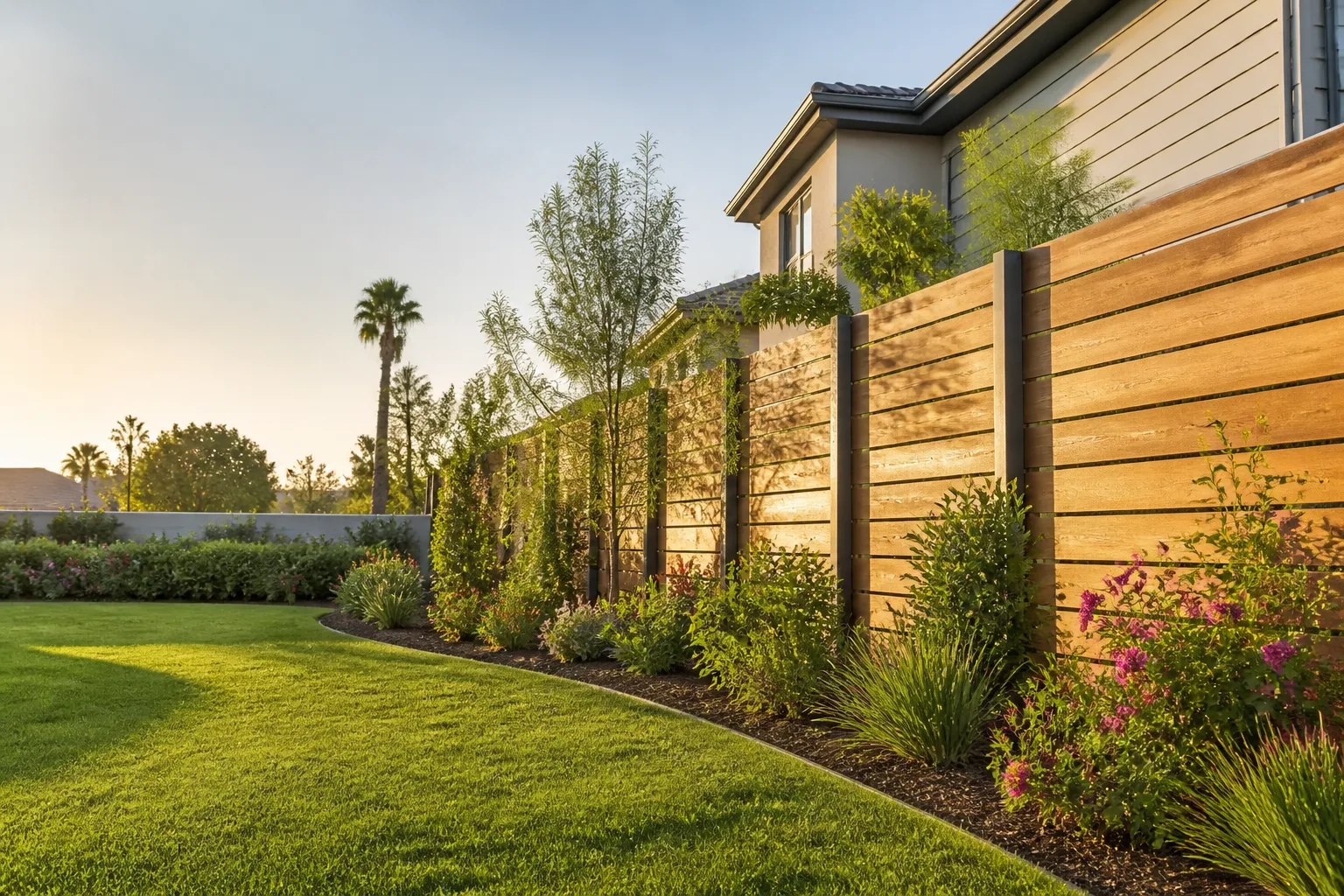
- Aluminum (Jerith, ActiveYards): $42 to $75 per linear foot. Powder-coated aluminum resists salt air and humidity without rust, holds up to wind-load requirements well when paired with engineered posts, and needs almost no maintenance. Best fit for Doral’s climate and the most common choice for pool enclosures and front-yard ornamental fencing.
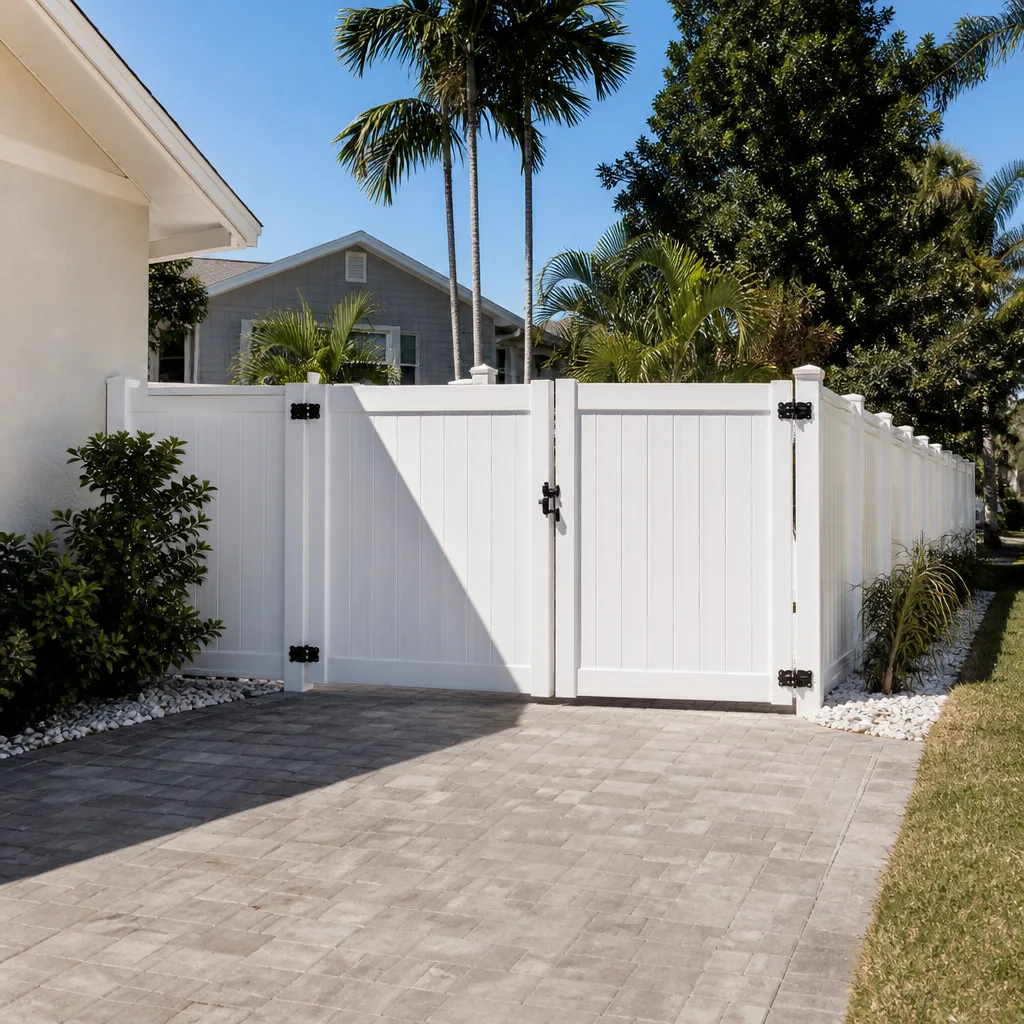
- Vinyl (CertainTeed, Bufftech): $38 to $68 per linear foot. Vinyl doesn’t rot or attract termites, both real concerns in South Florida. Quality matters here; a thin-walled vinyl panel can crack under storm debris, while a heavier extruded product with reinforced posts performs far better. Ask for the panel thickness and post reinforcement spec in writing.
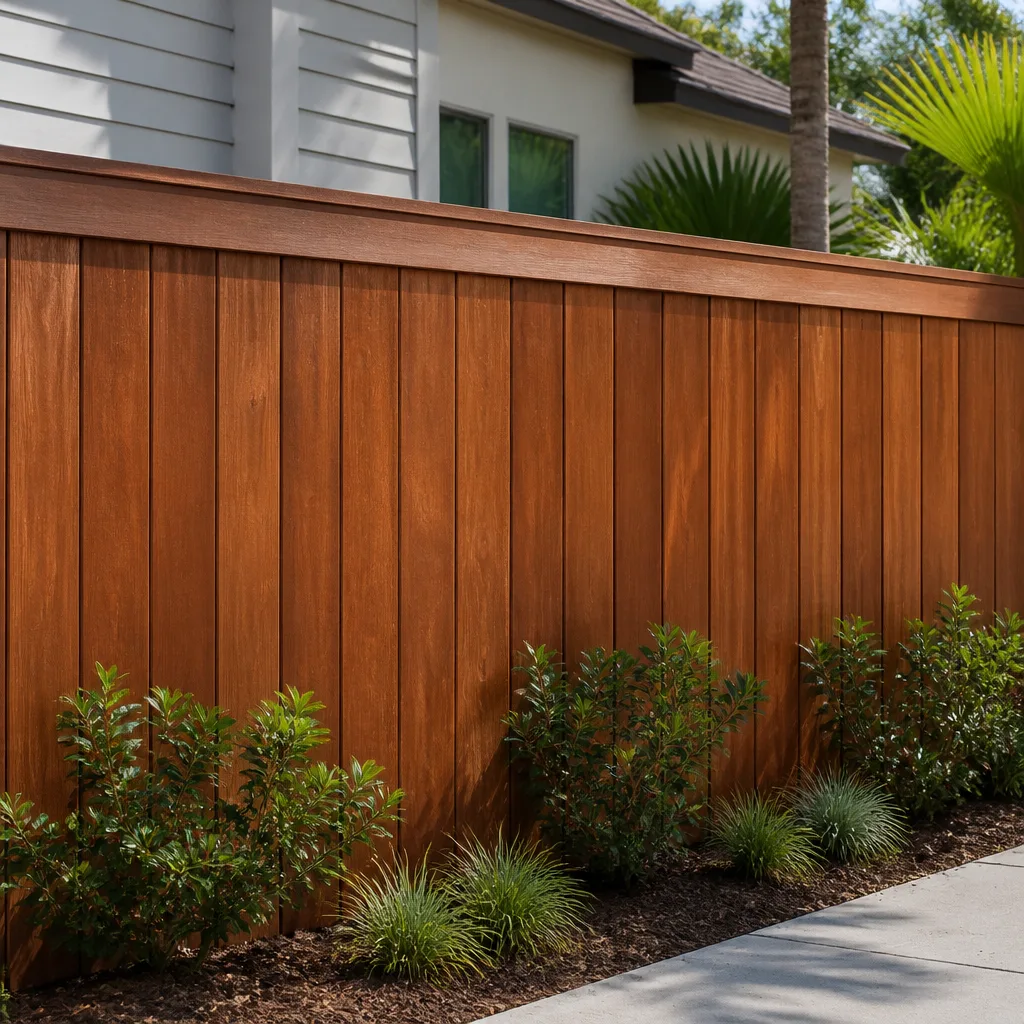
- Wood, pressure-treated pine vs. cedar: $28 to $48 per linear foot for pressure-treated pine, $40 to $62 for cedar. Pine is the budget option but in Doral’s humidity it needs sealing within months of installation and restaining every two to three years. Cedar weathers better and is naturally rot-resistant, but both are more maintenance than aluminum or vinyl in this climate.
- Chain-link: $18 to $32 per linear foot. Least expensive and least attractive, but practical for side and rear property lines, pet containment, or temporary construction fencing. Vinyl-coated chain-link adds a few dollars per foot and holds color better in the sun.
Brand names matter because they carry product approvals that support your HVHZ permit. Jerith and ActiveYards both publish wind-load tested assemblies, which shortens the approval process. CertainTeed and Bufftech vinyl lines also carry documentation that helps the submittal move through review. When a contractor quotes an unbranded or generic product, ask whether the manufacturer’s product approval is included, because without it your permit submittal may be rejected.
If you’re also redoing the hardscape, the same footing logic applies to driveways and pavers, since the water table affects both. Our Driveway & Pavers in Doral guide covers that ground in detail.
HOA Approval: The Documentation Sequence That Works
Most Doral neighborhoods sit inside HOAs with architectural review committees, and an approved county permit doesn’t satisfy your HOA, or the reverse. Getting the HOA paperwork wrong is the single most common reason a fence project stalls for weeks. Here’s the sequence that works:
- Request the CC&Rs fence specifications in writing before you design anything. Your HOA’s Covenants, Conditions, and Restrictions will specify permitted materials, maximum height, color, setback from the property line, and sometimes fence style by section of the community. Ask for the specific architectural guideline document, not a general summary.
- Submit the architectural application with the material sample, color swatch, height, and a plot plan showing the fence line and setbacks. Many HOAs require a plat or survey. Missing one item usually means the whole application goes back in the queue.
- Get written approval, then pull the county permit. Some HOAs won’t approve an application without proof the county permit is in process, so confirm the sequence with your board rather than guessing.
- Provide the recorded Notice of Commencement if the HOA asks for it before construction begins.
Timelines vary. A well-prepared application in Doral can move through an HOA review in two to three weeks; an incomplete one can sit for six. We include HOA submission support in our written scope so the sequence is coordinated, not left to the homeowner to chase. Our Fence Installation in Doral page covers how that process works when we manage it end to end.
Property Line Verification and Why It Costs What It Costs
A survey pin locate in Doral typically costs $300 to $600, and skipping it is the most expensive shortcut we see. A surveyor locates or re-establishes the corner pins that define your lot, or if they’re missing, runs the boundary from recorded plats. Without that, you’re building to an assumption, and in a neighborhood where lots were subdivided decades apart, assumptions go wrong.
The cost of a mistake is what makes the $300 to $600 worth it. A fence built a foot onto a neighbor’s lot can trigger a removal and rebuild, and once a boundary dispute begins, the bill for a survey, a legal letter, and a rebuilt section runs well past the cost of the fence itself. Verify the line first, put it on the plot plan, and every later step, from the HOA submittal to the county permit, is cleaner. When we quote a Doral fence, we ask whether a recent survey exists and factor a locate into the scope when it doesn’t.
The Installation Process, Step by Step
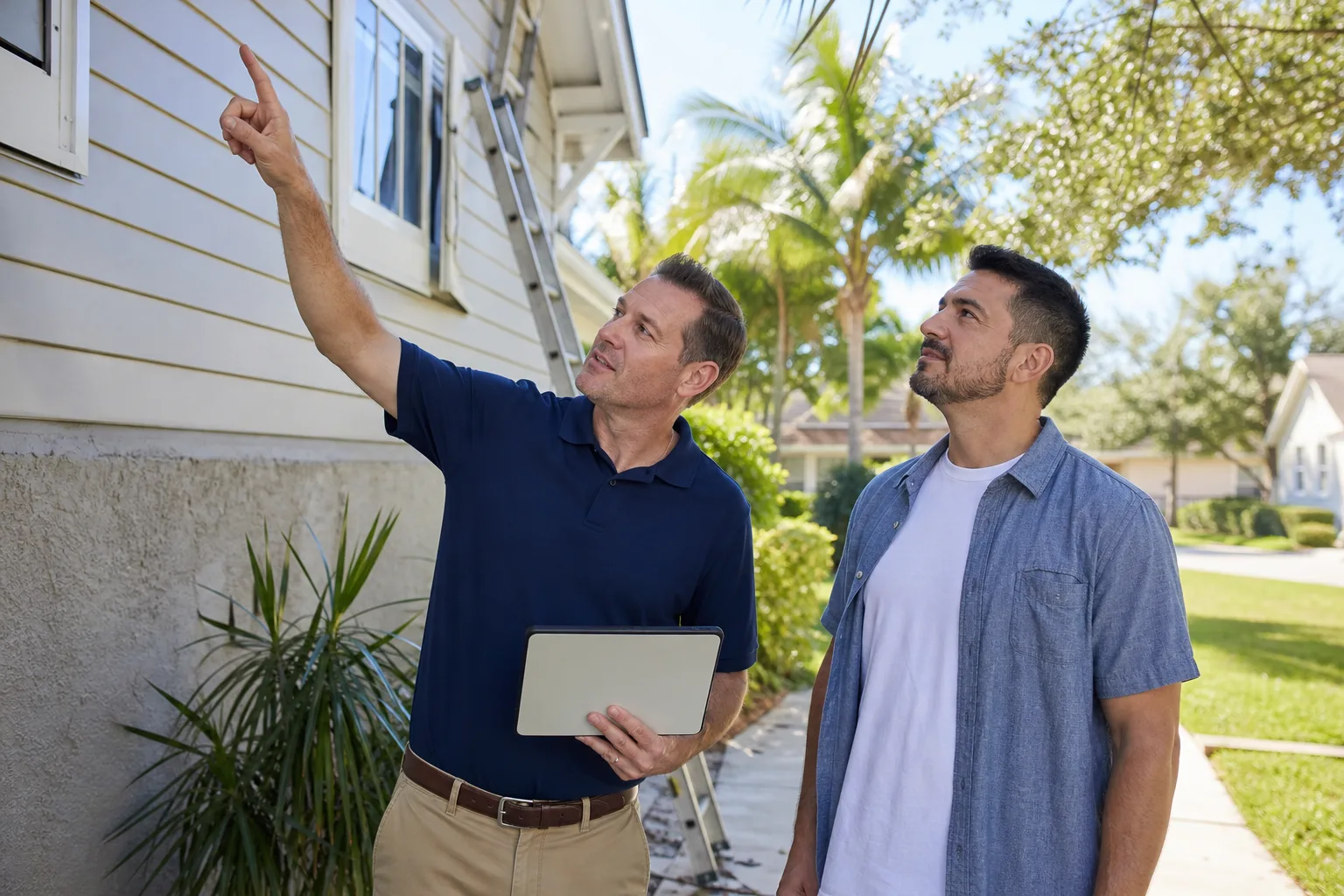
- Site assessment and written scope: we walk the fence line, check grading and drainage, note utility locations, confirm the material and post spec, and hand you a flat written price with the scope and warranty attached. Under Clause 1 of the Haven Standard, no work begins until that price is in writing.
- Survey and HOA submission: the survey pin locate and the HOA architectural application are prepared and submitted. Nothing gets ordered until the HOA approves the design.
- Permit and engineering: the county permit application goes in with HVHZ wind-load documentation. We manage the submittal and respond to corrections.
- Utility marking: the free 811 line-marking request is filed and confirmed before any digging.
- Layout and post setting: posts are set a minimum of 42 inches deep in 80-pound Quikrete at the spacing the permit assembly specifies. Gate posts are set deeper and braced for load.
- Fence installation and inspection: panels, rails, and gates go in, and the county inspection is scheduled and passed.
- Documented handoff: you receive a photo record of the post depth and hardware, the signed scope, the written warranty, and the passed inspection record. That’s the standard deliverable, not an add-on.
Common Mistakes to Avoid
- Assuming HVHZ wind-load rules don’t apply to a residential fence. They do, and a permit pulled without engineering calculations will fail review or fail inspection later.
- Using the one-third-of-post-height footing rule in Doral soil. Twenty-four inches is not enough here; posts at that depth heave and lean after the first wet season, and the rebuild costs more than the extra concrete would have.
- Ordering the fence or scheduling the install before the HOA approves the design. Material can’t be returned once it’s cut and installed, and HOA approval can require a different color or height than what you planned.
- Building to an assumed property line. A $300 to $600 survey pin locate prevents a neighbor dispute that costs ten times as much to resolve.
- Skipping the 811 utility-marking request. It’s free and legally required before digging. Cutting a buried line is a repair bill, a delay, and a safety issue.
- Choosing thin-walled vinyl or untreated pine to save a few dollars per foot. In Doral’s humidity and UV, the cheap product fails years earlier and the lifetime cost is higher than the premium material.
- Accepting a verbal quote. A flat written price with a scope, a warranty, and no signed change orders of any kind means you can compare line by line and hold the contractor to the number.
See the difference
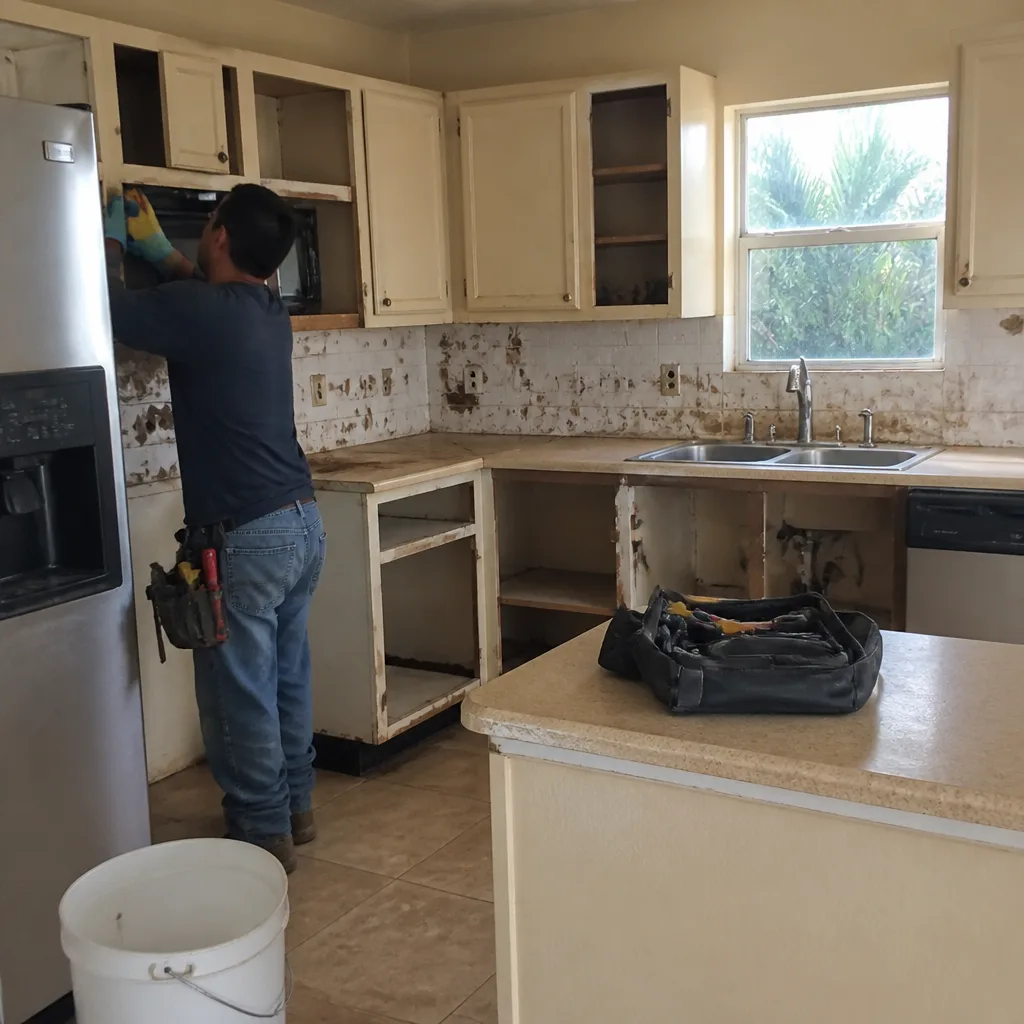 Before
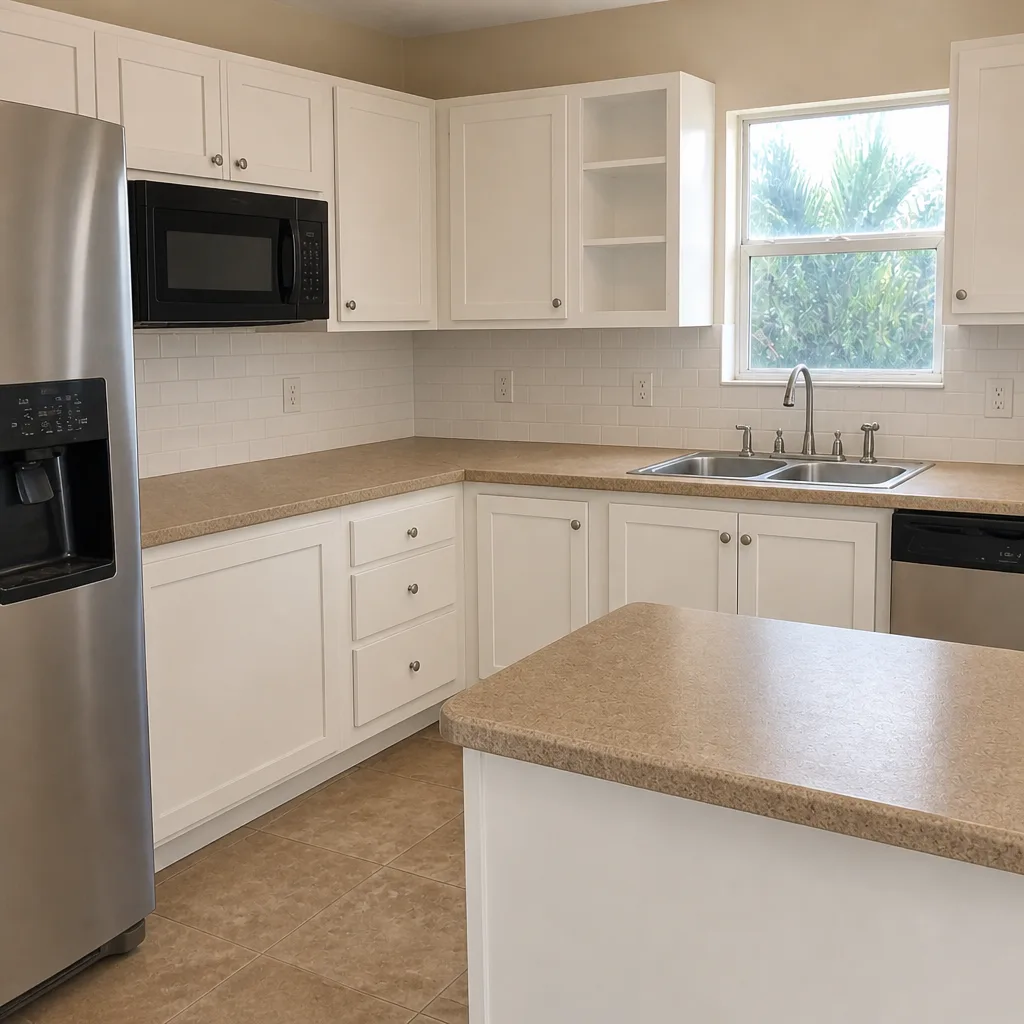 After
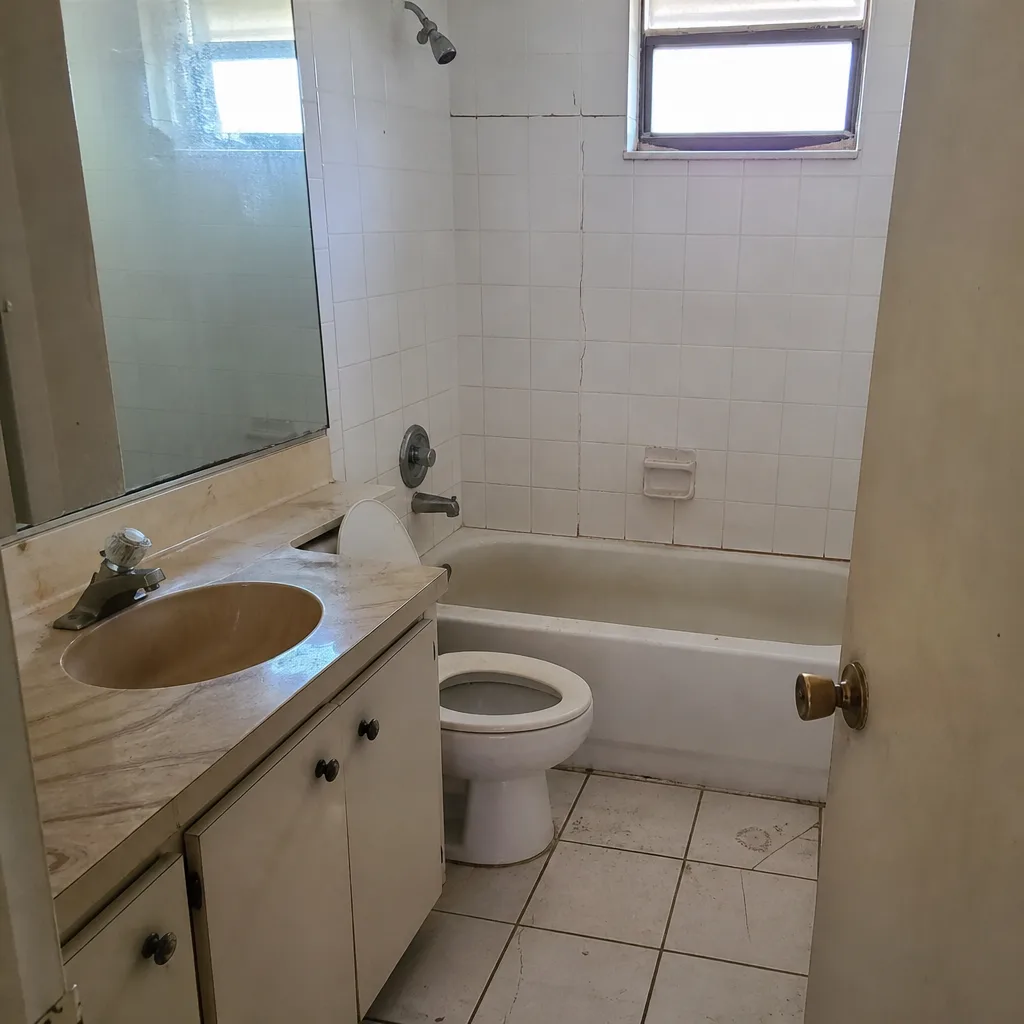 Before
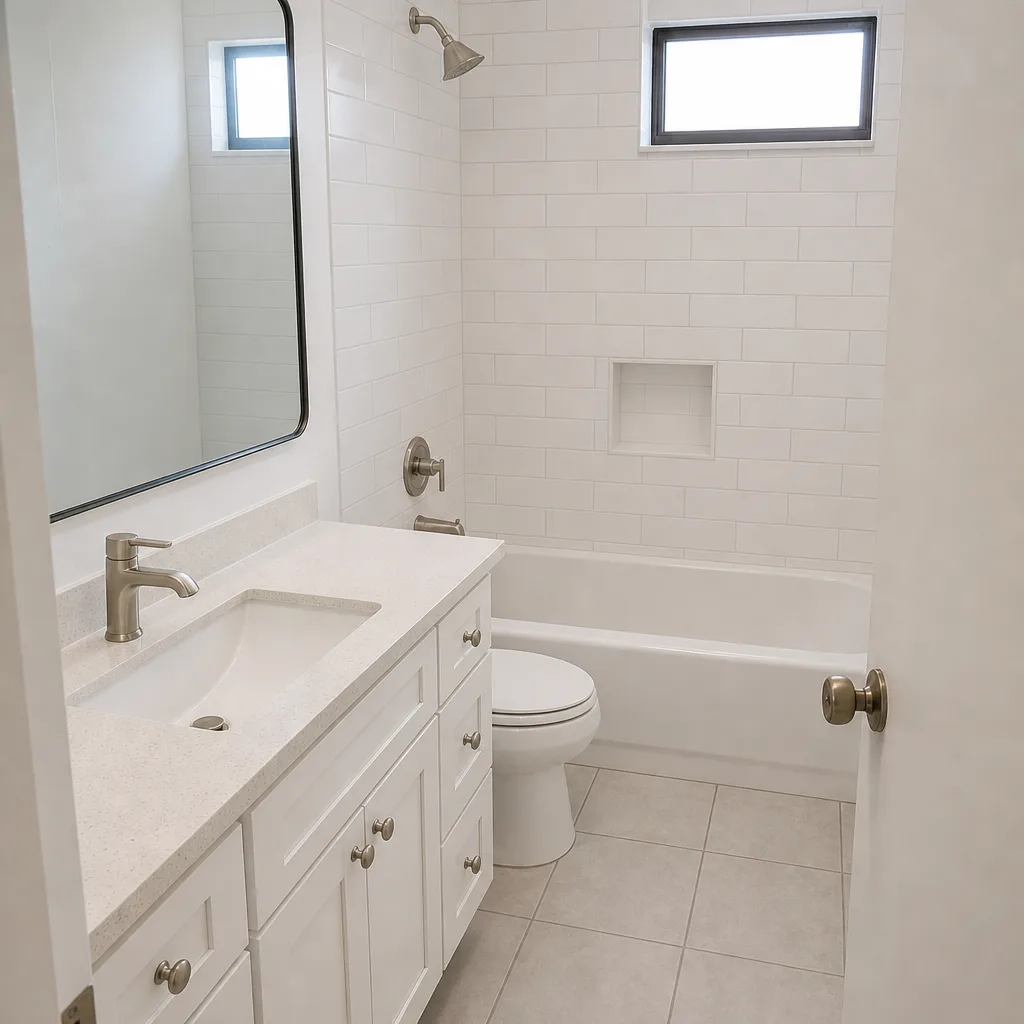 After
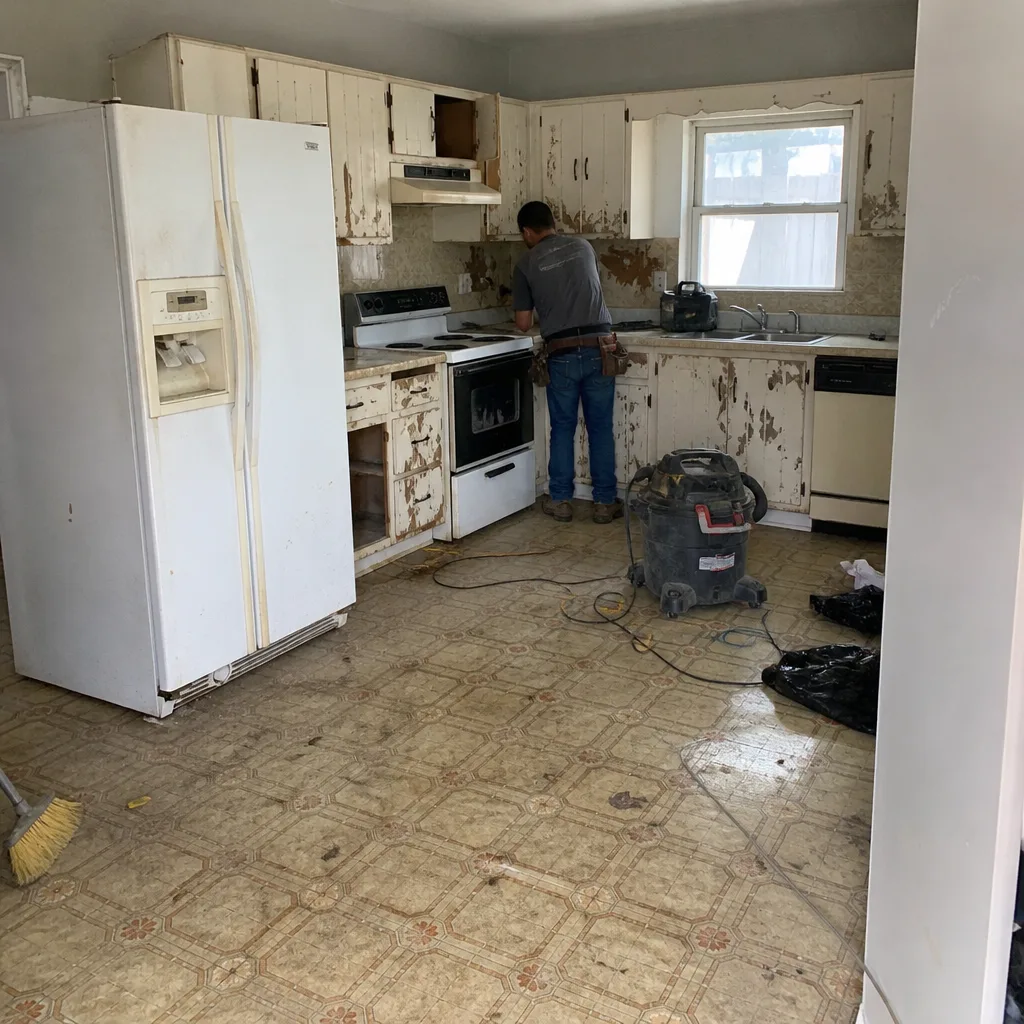 Before
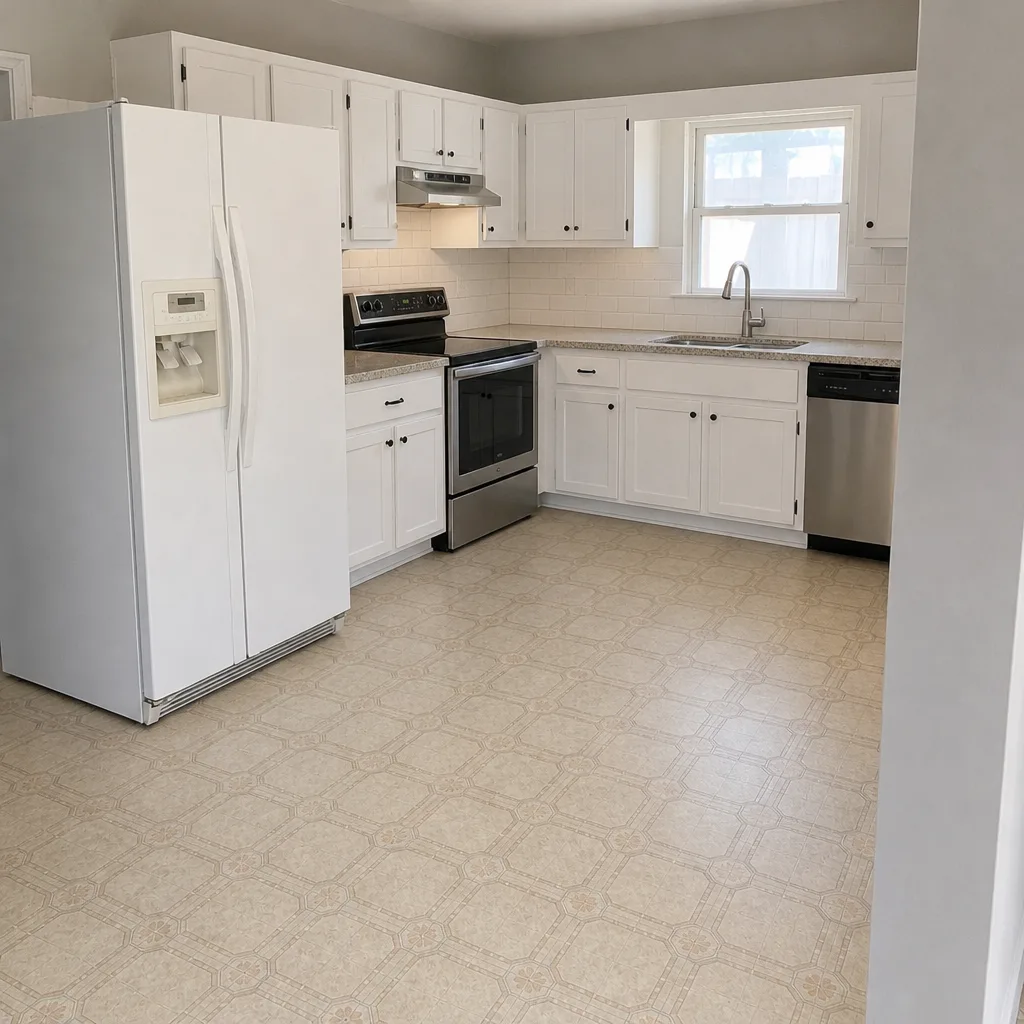 After
When to Call a Professional
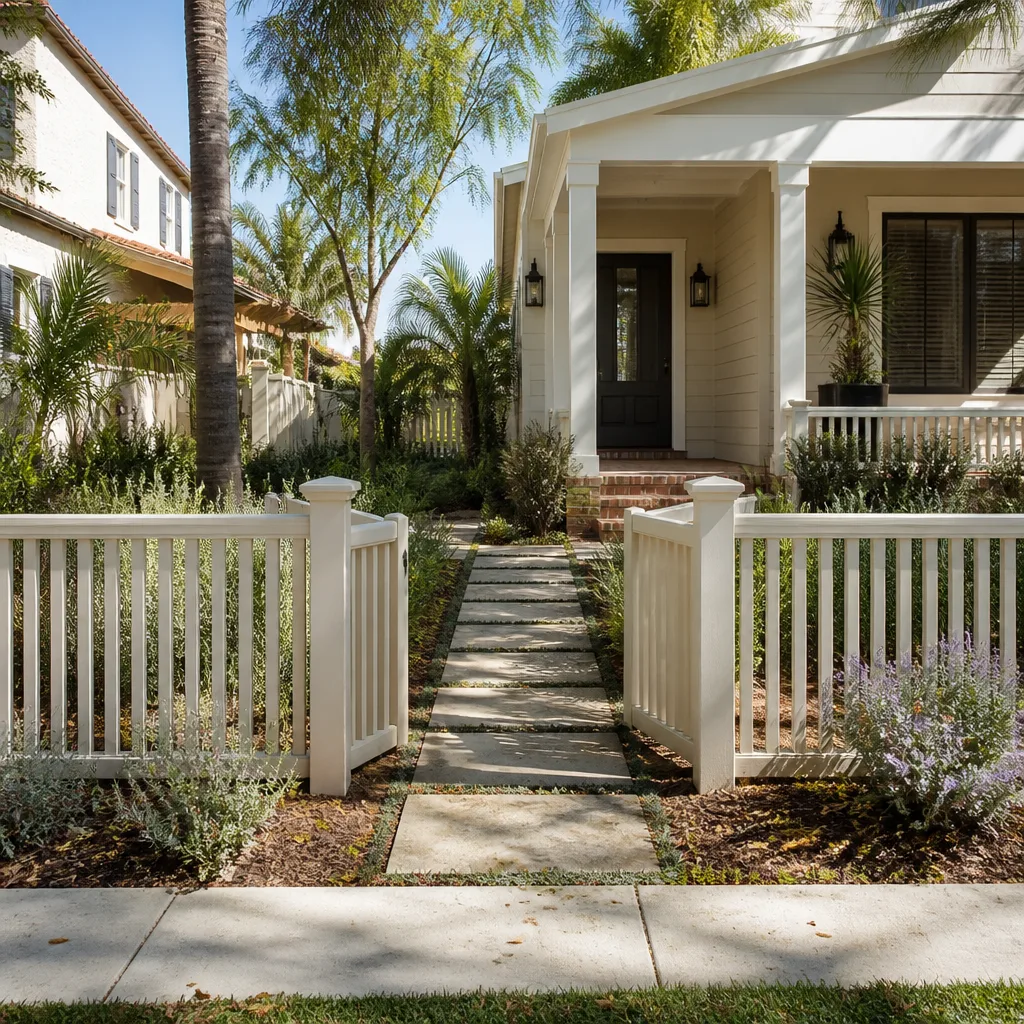
Some fence work is genuinely worth hiring out in Doral, and the cases are specific. Any fence over 6 feet, any fence in a platted subdivision, any fence requiring HVHZ wind-load calculations, any line crossing a drainage swale or near buried utilities, and any HOA-governed community where the architectural submission needs a plot plan all point to a permit path a homeowner shouldn’t navigate alone. Post setting on an exposed corner or gate line, where depth and concrete spec carry the whole fence’s wind load, is not a weekend project. Rowan Construction Group Doral offers free estimates in Doral. Call (888) 300-3896 to schedule one, and bring any written estimate you’ve received; we review it line by line at no charge.
Frequently Asked Questions
Fence installation in Doral runs $28 to $85 per linear foot installed, with most residential projects between $3,400 and $9,800 for a standard lot. Aluminum is the most climate-appropriate choice at $42 to $75 per linear foot, vinyl runs $38 to $68, pressure-treated pine $28 to $48, and chain-link $18 to $32. Permit and engineering add $300 to $700 for a typical project, and a survey pin locate adds $300 to $600 if you don’t have a recent one. Call (888) 300-3896 for an exact quote; estimates are free.
Yes, in most cases. Miami-Dade County requires a permit for any fence over 6 feet tall and for any fence in a platted subdivision, and Doral is inside the county’s High-Velocity Hurricane Zone, so the application needs wind-load engineering documentation. Plan on two to four weeks for review. We pull the permit and pass the inspection as part of the job, so the paperwork isn’t left on your side of the table.
We set fence posts a minimum of 42 inches deep in concrete for a standard 6-foot residential fence. The common one-third-of-post-height rule, which works out to 24 inches for a 6-foot fence, is not enough in South Florida’s expansive soil and high water table. Deeper embedment costs more in concrete, around $9 to $20 per post, but it’s cheaper than rebuilding a leaning fence after a storm season.
Under our process, no. You receive a flat written price with the scope and warranty attached before any work begins, and no change proceeds until a change order is signed. That discipline is why our projects finish within a few percent of the agreed cost. If something unforeseen turns up, like a damaged post footing or a buried utility not on the plat, you get the number in writing before we touch it.
Yes. We request your HOA’s CC&Rs fence specifications in writing, prepare the architectural application with the material sample, color swatch, height, and plot plan, and coordinate the submission sequence with the county permit. An incomplete application is the most common reason a Doral fence project stalls, and a complete one typically moves through review in two to three weeks. Call (888) 300-3896 and we’ll walk you through what your HOA will need.
Powder-coated aluminum from Jerith or ActiveYards is the best fit for Doral’s climate: it resists salt air and humidity without rust, holds up to HVHZ wind-load requirements with engineered posts, and needs almost no maintenance. CertainTeed and Bufftech vinyl is a strong alternative if you want privacy panels and a wood-look finish. Both carry product approvals that help the permit submittal move. If you’re also planning additions or an ADU on the lot, our Home Additions & ADU in Doral guide covers how those permits interact with a fence line.
The Bottom Line
A Doral fence is a regulatory and soil project before it’s a design choice. Get the HVHZ permit and its wind-load calculations, the 42-inch post depth and 80-pound Quikrete spec, the HOA architectural approval sequence, and the survey pin locate right, and material selection becomes the easy part. The four material ranges are clear: chain-link at $18 to $32 per linear foot, pine at $28 to $48, vinyl at $38 to $68, aluminum at $42 to $75. The permit and engineering line is $300 to $700, and the survey is $300 to $600. The written price comes before anyone picks up a tool, on every job, on every trade. That’s the standard we work to.
Ready to price a fence with the numbers on the page? Call (888) 300-3896 for a free estimate. We’ll walk the line, check the soil and grading, and hand you a flat written price with the scope and warranty attached before any work starts. Bring any written estimate you’ve received and we’ll review it line by line at no charge. Start from our Rowan Construction Group Doral home page to see the other trades we cover, and know our technicians have up to 19 years of experience and that calls are answered by a live person 24/7.
Written by the team at Rowan Construction Group Doral.