Last updated November 18, 2026
Free written scope consultation - allowances, timeline, and change-order rules on paper before a single trade is scheduled
DIY vs Professional Home Additions & ADU: What’s Safe to Do Yourself
Here’s the part most DIY guides leave out: in Florida, the law – not your skill level – decides what you’re allowed to build yourself. The owner-builder exemption in Florida Statute 489.103 lets a homeowner act as their own general contractor on a primary residence, but it requires a signed, recorded disclosure and it locks you out of selling that property for one year after the permit closes. Meanwhile, electrical, plumbing, mechanical, and roofing work still require a licensed subcontractor no matter how handy you are. This guide maps Florida’s actual owner-builder rules for home additions and ADUs in Doral, shows where DIY genuinely saves money, and flags where the liability outruns the savings.
Quick Answer
In Florida, you can legally self-perform cosmetic and finish work on your own primary residence – painting, trim carpentry, tile setting, cabinet installation – but structural, electrical, plumbing, mechanical, and roofing work on a home addition or ADU requires a licensed contractor, even under the owner-builder exemption. DIY saves real money on finishes and costs far more than it saves when it touches framing, waterproofing, or the electrical panel. The line isn’t about confidence; it’s about statute and inspection consequences.
Styles & brands we work with
- Kitchen remodeling
- Bathroom remodeling
- Home additions & ADU
- Roofing
- Windows & doors
- Driveway & pavers
- Fence
Table of Contents
- What Florida’s Owner-Builder Exemption Actually Allows
- The Trades You Can’t Self-Perform, Even as Owner-Builder
- The Financial Math: Where DIY Saves and Where It Costs
- The Inspection Risk Nobody Warns You About
- The Insurance Gap on Permitted vs. Owner-Performed Work
- Decision Matrix: Green, Yellow, and Red Tasks
- Doral-Specific Factors: Climate, Code, and Market
- Common Mistakes to Avoid
What Florida’s Owner-Builder Exemption Actually Allows
Florida Statute 489.103(7) is the section that governs owner-builders, and it’s narrower than most homeowners assume. The exemption permits a person to build or improve a one-family, two-family, or three-family residence on land they own and occupy as their primary residence – without holding a contractor license. The exemption applies only when the owner performs the work themselves or supervises it directly, and only when the property is not intended for sale or lease within one year of the permit closing.
Two procedural requirements matter for anyone in Doral planning an addition:
- The owner must sign and record a disclosure statement with the building department acknowledging they are acting as their own contractor, accepting responsibility for code compliance, and confirming the one-year sale restriction.
- The owner must personally supervise all subcontracted work and remain the permit holder of record – meaning every inspection, correction, and stop-work order lands on them, not on a contractor.
What the exemption does not do is waive licensing requirements for specific trades. It also doesn’t shield the owner from workers’ compensation requirements if they hire helpers, or from the liability that follows a failed inspection. Miami-Dade County enforces these provisions tightly, and Doral’s building department processes additions and ADUs through the same review sequence as any licensed contractor’s project.
One more point competitors usually skip: the exemption is per-residence and per-person. You can’t use it on a rental property, a second home, or an investment build, and you can’t use it to construct an ADU intended to generate rental income within the first year. If the ADU is going to be a rental, the exemption is not available, and the work must be pulled by a licensed contractor.
The Trades You Can’t Self-Perform, Even as Owner-Builder
The single most common misunderstanding about Florida’s owner-builder rules is that “owning the project” means “doing the work.” It doesn’t. Under Florida Statute 489.103 and the licensing chapters it references, four categories of work always require a licensed professional, regardless of who holds the permit:
- Electrical – anything past a fixture swap. New circuits, panel work, subpanels for an ADU, and anything requiring a permit must be performed by a licensed electrical contractor. Panel upgrades are among the most common ADU requirements and among the most common places DIY goes wrong.
- Plumbing – supply lines, drain lines, water heater connections, and any new fixture rough-in. A licensed plumber signs the inspection; a homeowner cannot self-certify this work in Miami-Dade or Broward.
- Mechanical (HVAC) – new ductwork, mini-split installation, and load calculations for an addition. Mechanical permits require a licensed mechanical contractor.
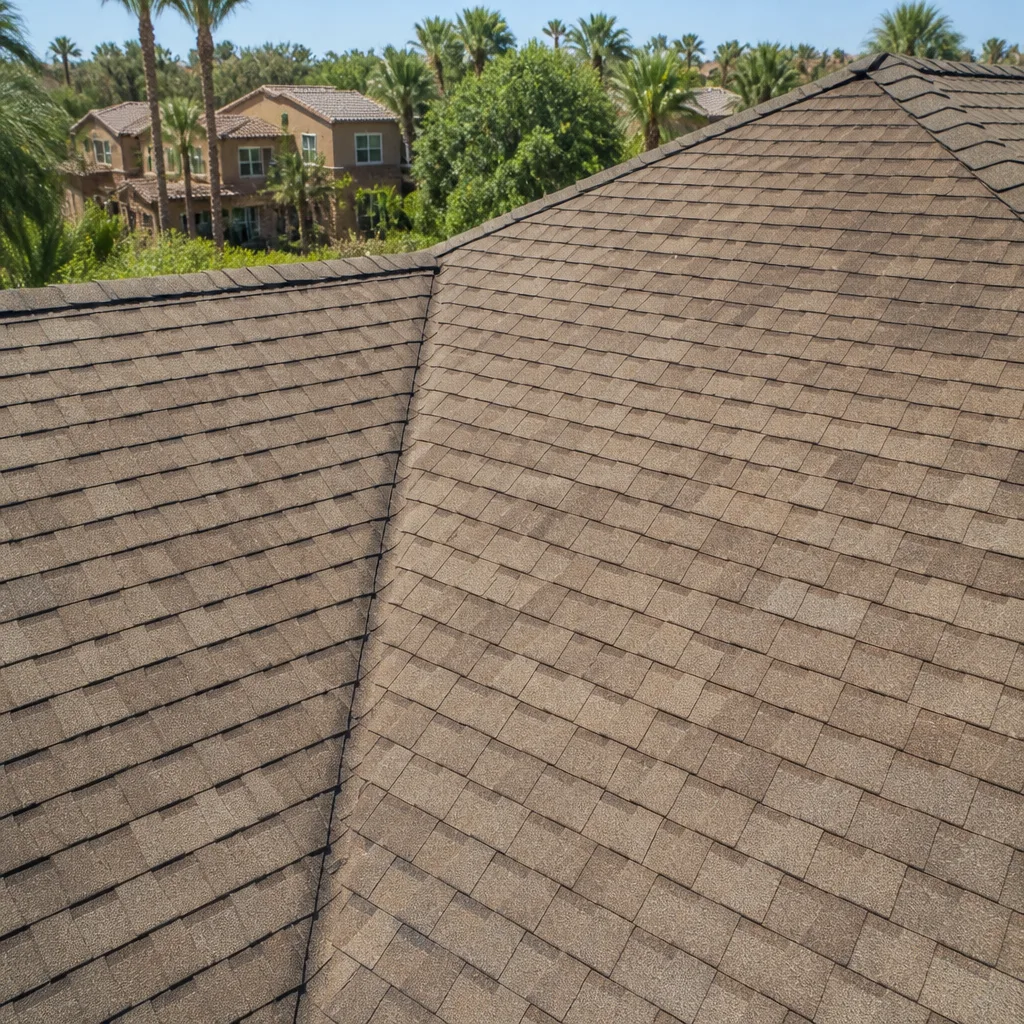
- Roofing – any roofing work on the addition itself, including flashing and underlayment. Florida roofing permits are pulled by licensed roofing contractors, and Miami-Dade’s product approval requirements (NOA numbers for wind-rated assemblies) make self-installation impractical and usually noncompliant.
In our experience, roughly 70% of the trades involved in a typical Doral ADU fall into these four categories or into structural work that requires an engineer’s sealed drawings. That leaves finish carpentry, drywall finishing, painting, tile setting, cabinet installation, and landscaping as the realistic DIY lanes – which is exactly where the savings live anyway.
The Financial Math: Where DIY Saves and Where It Costs
Let’s put numbers on it. A typical 400 – 600 square foot detached ADU in Doral runs $180,000 to $320,000 all-in with licensed trades. Here’s where a skilled homeowner can legitimately take work back:
- Interior painting – $3,500 to $6,500 saved on a 500 sq ft ADU.
- Trim and finish carpentry – $4,000 to $8,000 saved, if you own a miter saw and understand cope joints.
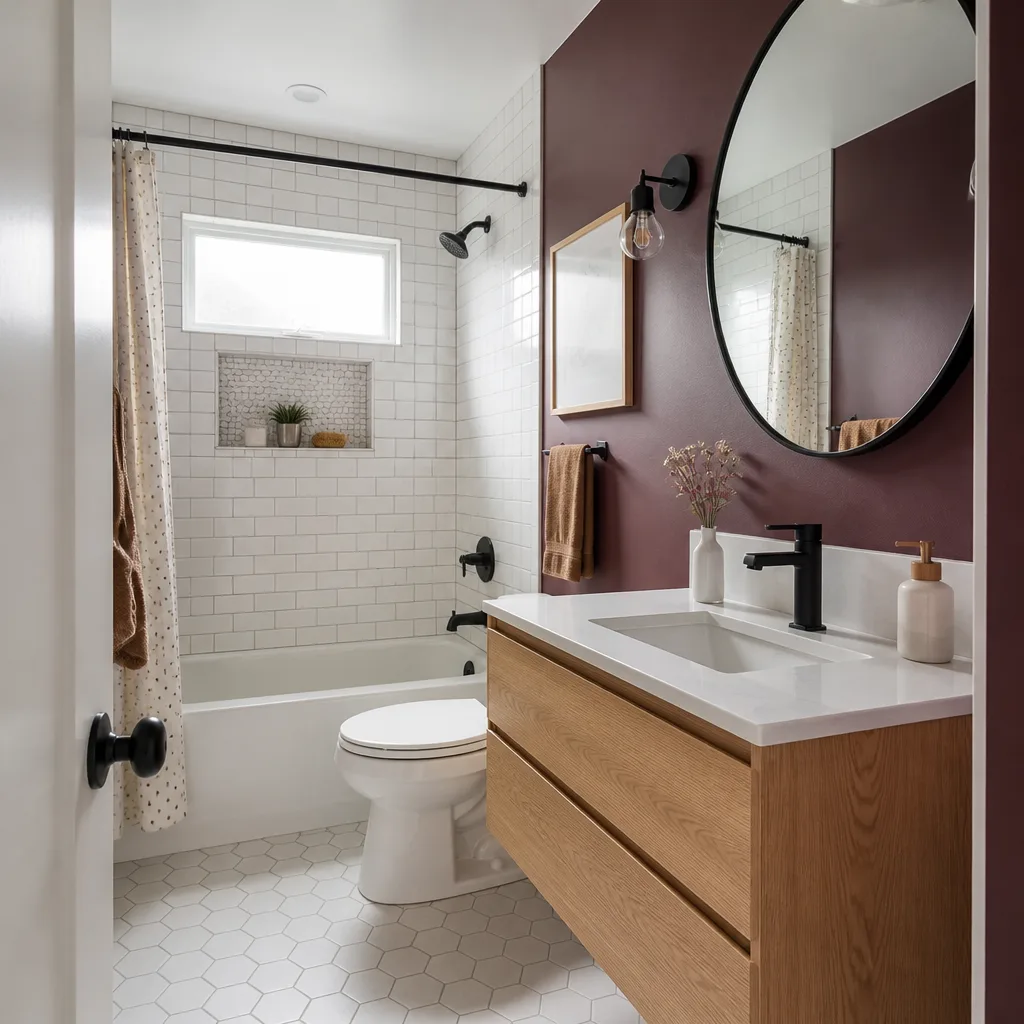
- Tile setting (floor and shower walls) – $5,000 to $9,000 saved, but only with correct Schluter membrane installation; a failed shower pan costs $12,000 to rebuild.
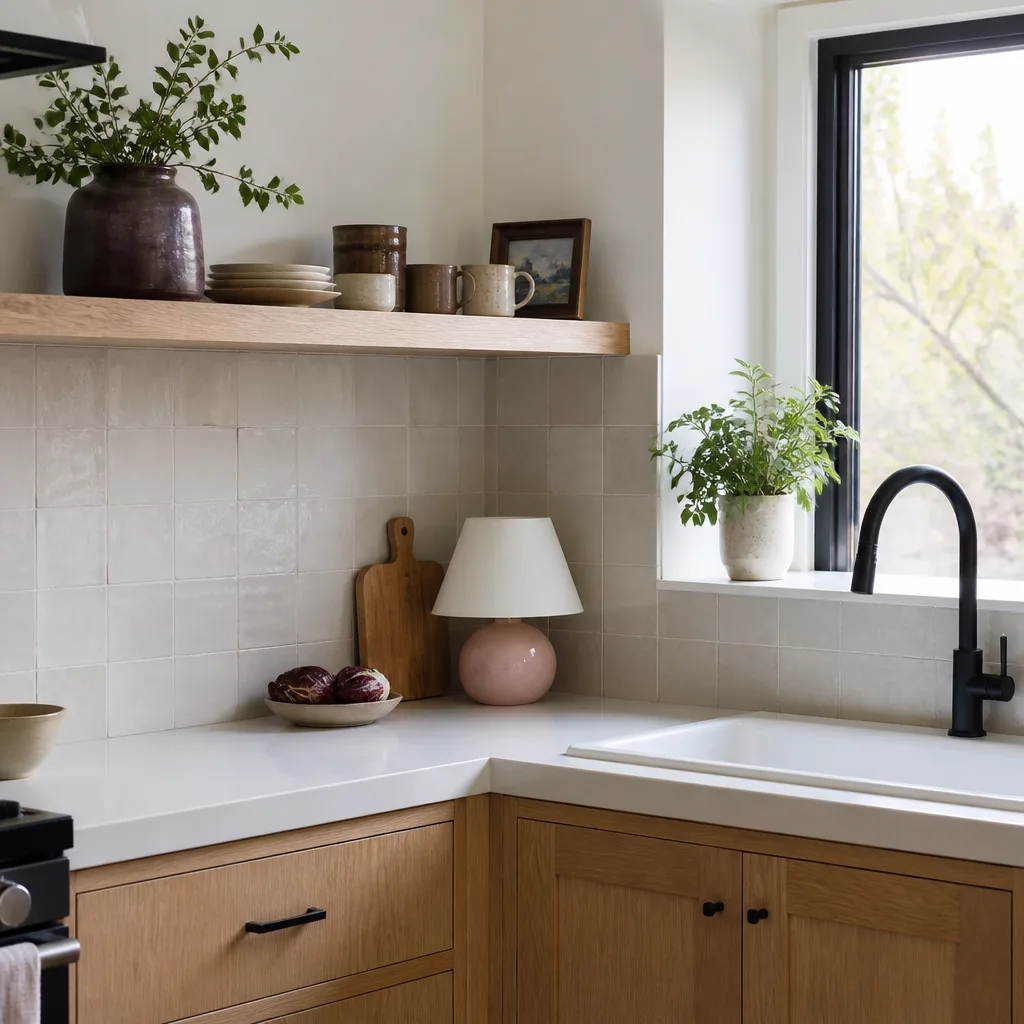
- Cabinet assembly and installation – $2,500 to $5,000 saved installing something like KraftMaid or Wellborn boxes yourself, assuming the boxes are level and the countertop template hasn’t been ordered yet.
- Landscape and sod – $2,000 to $6,000 saved, well within DIY range.
Now the other side of the ledger, where DIY exceeds the savings:
- Structural framing – a failed framing inspection can require $15,000 to $40,000 in rework, plus engineering fees.
- Waterproofing and shower pan membranes – $8,000 to $15,000 to remediate a failed pan. Mold remediation in Doral’s humidity adds another $5,000 to $12,000 if the failure is discovered late.
- Electrical panel work – $6,000 to $12,000 to correct, and the liability exposure from a fire goes well beyond the repair cost.
- Roof flashing on the addition – water intrusion here is the single most common source of hidden damage we’ve seen in Miami-Dade additions, and it usually surfaces two rainy seasons later.
The pattern is clear: DIY on finished surfaces saves 10 – 15% of total project cost. DIY on structure or systems creates rework that routinely exceeds the total labor savings on the whole job.
The Inspection Risk Nobody Warns You About
Building departments in Miami-Dade, including Doral, don’t issue infinite retries. An owner-builder who fails three consecutive inspections on the same phase – framing is the classic case – can have the permit suspended or revoked. Once that happens, the county generally requires a licensed contractor to take over the permit and complete the work, and that contractor will charge full market rate plus a premium for inheriting someone else’s corrections.
In our experience, this scenario plays out mostly on framing, sheathing nailing schedules (Miami-Dade’s High Velocity Hurricane Zone requirements are specific and unforgiving), and rough-in plumbing. Each re-inspection also carries a fee and a scheduling delay of one to three weeks in Doral’s queue during peak season.
The permit suspension also follows you: your name stays on the record as the failed owner-builder, which makes your next permit application more complicated and can complicate a future sale or refinance. Title companies reviewing permits during closing want to see every inspection signed off. A suspended permit that a licensed contractor later closed shows a gap that requires explanation.
The Insurance Gap on Permitted vs. Owner-Performed Work
Here’s the part that gets almost no attention online: Florida homeowners’ policies may exclude or reduce coverage for damage caused by unpermitted work or by structural work the owner performed outside licensed supervision. The exclusion typically fires at two moments:
- When you file a claim – if a water intrusion event traces back to a shower pan you installed without a permit, the adjuster’s subrogation investigation usually ends in a denial for that specific loss.
- When you sell or refinance – unpermitted work discovered during the buyer’s inspection or the appraiser’s review can sink a deal or force retroactive permitting that costs more than the original work.
Windstorm and flood coverage in Doral is already a live conversation for most homeowners. The last thing you want to do is give an adjuster a reason to carve out the addition. Every dollar saved on DIY structure is a dollar that isn’t insured, and this is where the insurance gap actually bites: the savings are one-time, but the exposure repeats every hurricane season.
Decision Matrix: Green, Yellow, and Red Tasks
Here’s how we break down home addition and ADU work for Doral homeowners deciding what to tackle themselves.
GREEN – legal and low-risk to DIY:
- Interior painting (walls, ceilings, trim after a licensed painter signs off on any exterior work)
- Finish trim carpentry and baseboards
- Cabinet assembly and installation (not countertop work)
- Tile setting on floors and walls, if waterproofing is done by a licensed installer
- Landscaping, sod, and planting
- Final clean-up and punch-list touch-ups
YELLOW – legal, but requires documented skill and probably a professional for anything but a genuinely experienced homeowner:
- Drywall hanging and finishing (mudding corners correctly is a craft)
- Shower tile setting over a Schluter membrane system
- Garage door installation on the ADU or addition (springs and cables are dangerous – this is a licensed trade in practice)
- Wiring low-voltage data, TV, and security runs
RED – requires a licensed contractor in Florida, no exceptions:
- Structural framing, sheathing, and any High Velocity Hurricane Zone fastening
- Electrical work past a fixture swap – panels, circuits, subpanels
- Plumbing rough-in and finish – supply, drain, or water heater
- HVAC installation, including mini-splits
- Roofing, flashing, and wind-rated underlayment
- Any work requiring a sealed engineer’s drawing to permit
Doral-Specific Factors: Climate, Code, and Market
Doral sits squarely in Miami-Dade’s High Velocity Hurricane Zone, which means every addition and ADU must meet the state’s windborne debris and product approval requirements. That includes NOA-stamped windows, doors, and roof assemblies – you cannot substitute generic materials even on the parts of the project you build yourself.
Doral’s climate also shapes the risk profile. Annual rainfall above 60 inches and year-round humidity are why we tell homeowners to keep waterproofing and roof flashing off their personal to-do lists. In our experience, we regularly see water intrusion trace back to a shower pan or a roof-to-wall flashing detail on additions in Doral that was DIY-installed and shown only cosmetic-fixed at first inspection.
The market piece is simpler. Doral’s home values per square foot have risen meaningfully since 2020, and an ADU that’s properly permitted and inspection-signed adds an appraised value the sales market will actually pay for. An unpermitted ADU typically appraises as a shed or doesn’t count at all. That math alone justifies the professional cost of the structural, mechanical, electrical, plumbing, and roofing trades on any Doral ADU.
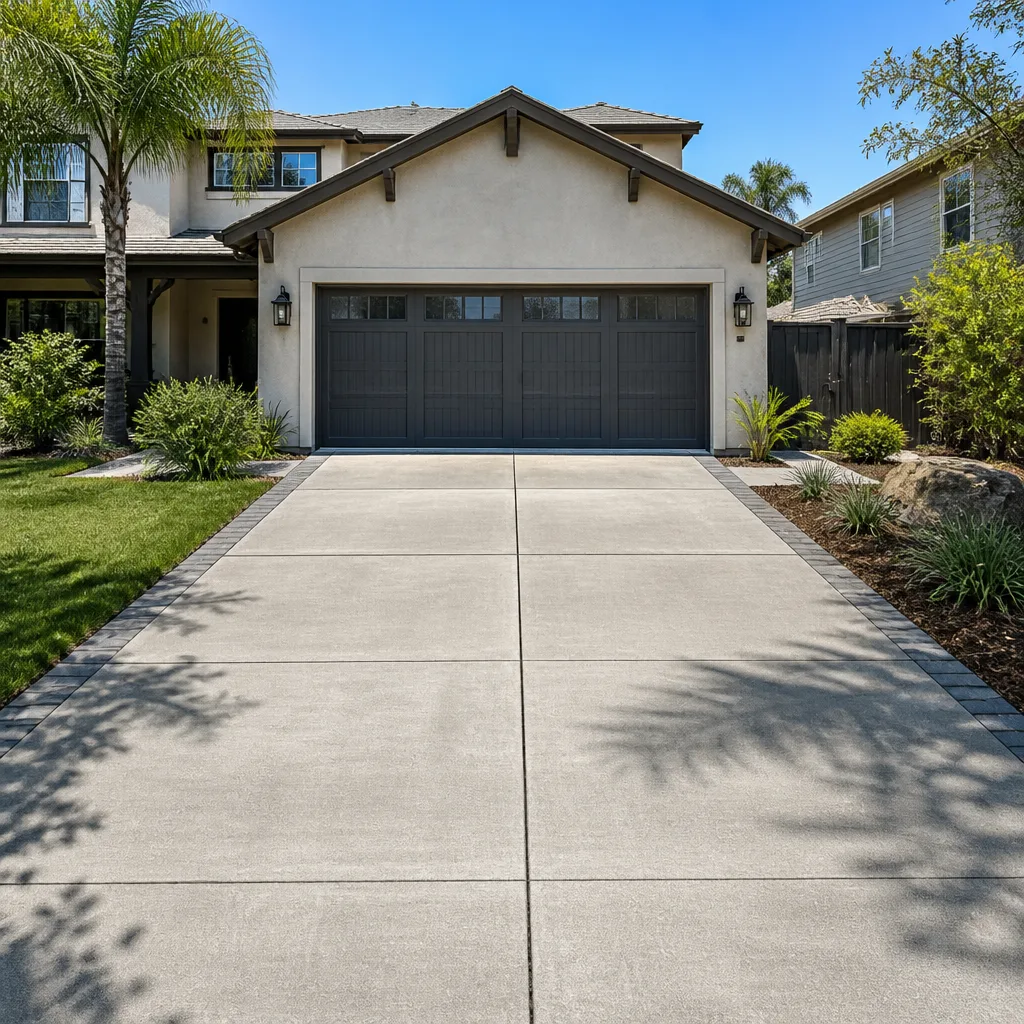
For planned work on your home’s broader envelope – the roof, windows, and doors that protect the addition – it’s worth understanding what those trades carry that a DIY build cannot. See our Rowan Construction Group Doral home for the full scope of trades we cover, and if you’re adding exterior hardscape around an ADU, review our Driveway & Pavers in Doral guide so the tie-in between new construction and hardscape gets planned in one pass rather than two.
Common Mistakes to Avoid
- Pulling the permit as owner-builder, then hiring licensed subs without disclosing them. Miami-Dade requires the owner to name all subcontracted trades on the permit, and inspections check for compliance.
- Assuming three failed inspections means “try again.” Doral’s building department follows state policy: three consecutive failures on the same phase can suspend the permit and require a licensed contractor to take over.
- Skipping the recorded disclosure statement. It’s required, and a missing disclosure can invalidate the permit at closing.
- Planning the ADU as a rental while using the owner-builder exemption. The one-year sale and lease restriction disqualifies the exemption if the ADU is intended as income property.
- Buying finishes before the countertop template. Ordering cabinets and stone tops before final cabinet leveling is done is the most common cause of costly reorders we see in Doral.
- Installing the shower pan yourself to save $4,000. A failed pan costs $8,000 to $15,000 to rebuild plus the mold remediation, and it usually surfaces a year after the shower is finished.
- Not checking your insurance policy language before starting. Exclusions for unpermitted or owner-performed structural work are common in Florida, and the exclusion usually surfaces only when you need to file a claim.
See the difference
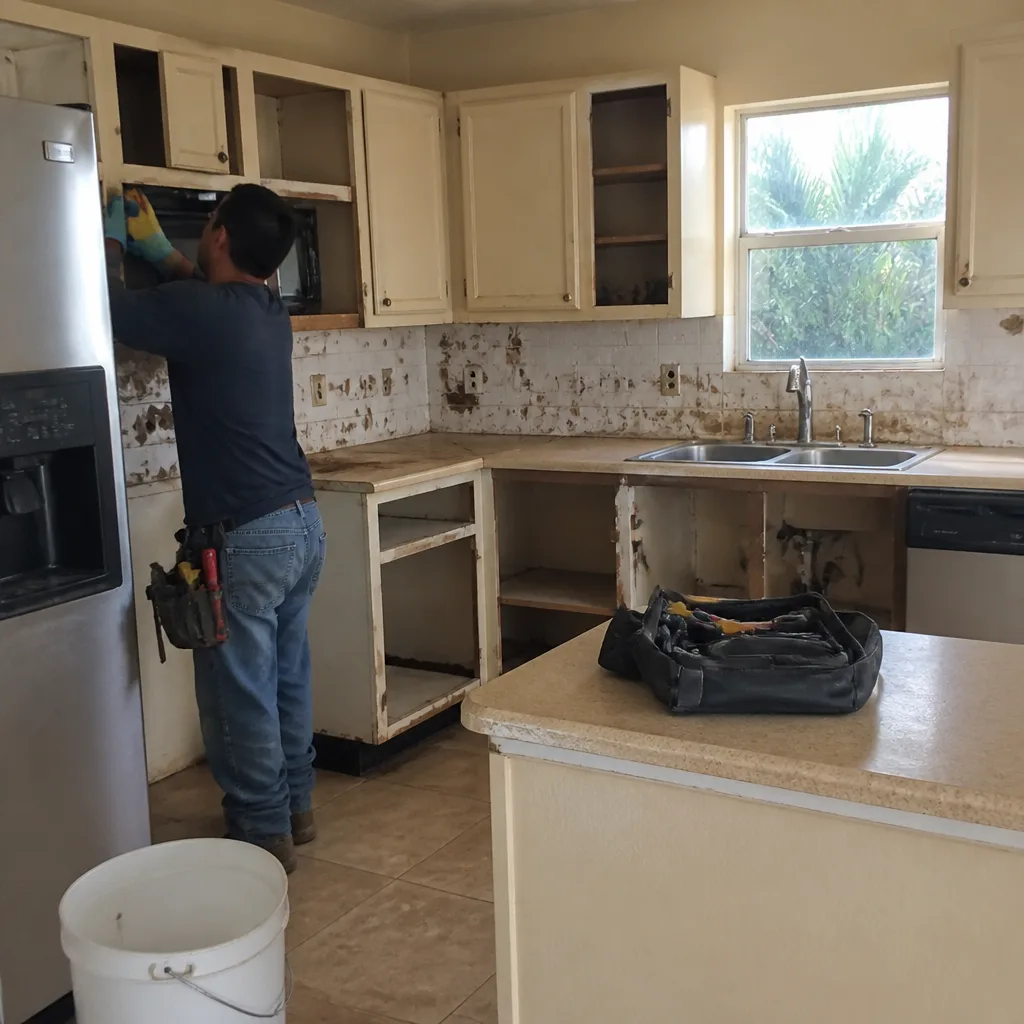 Before
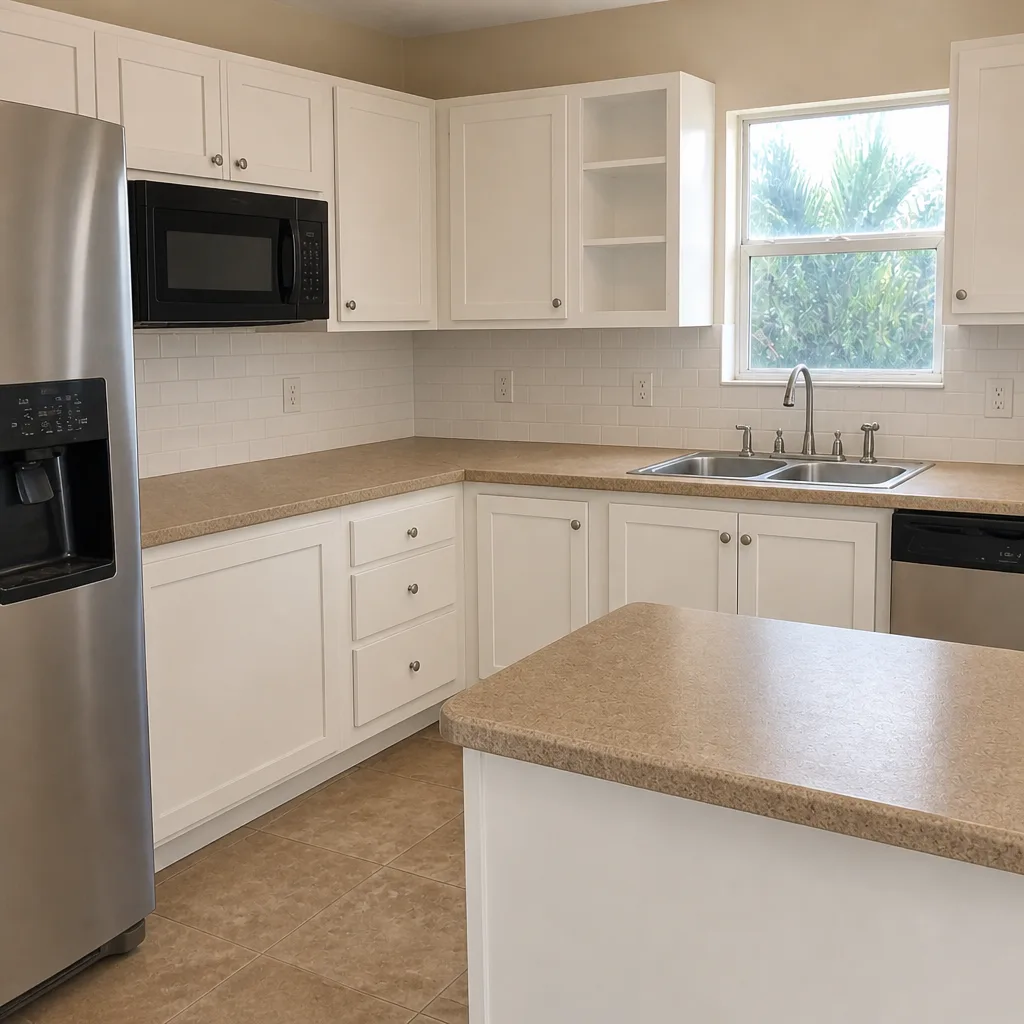 After
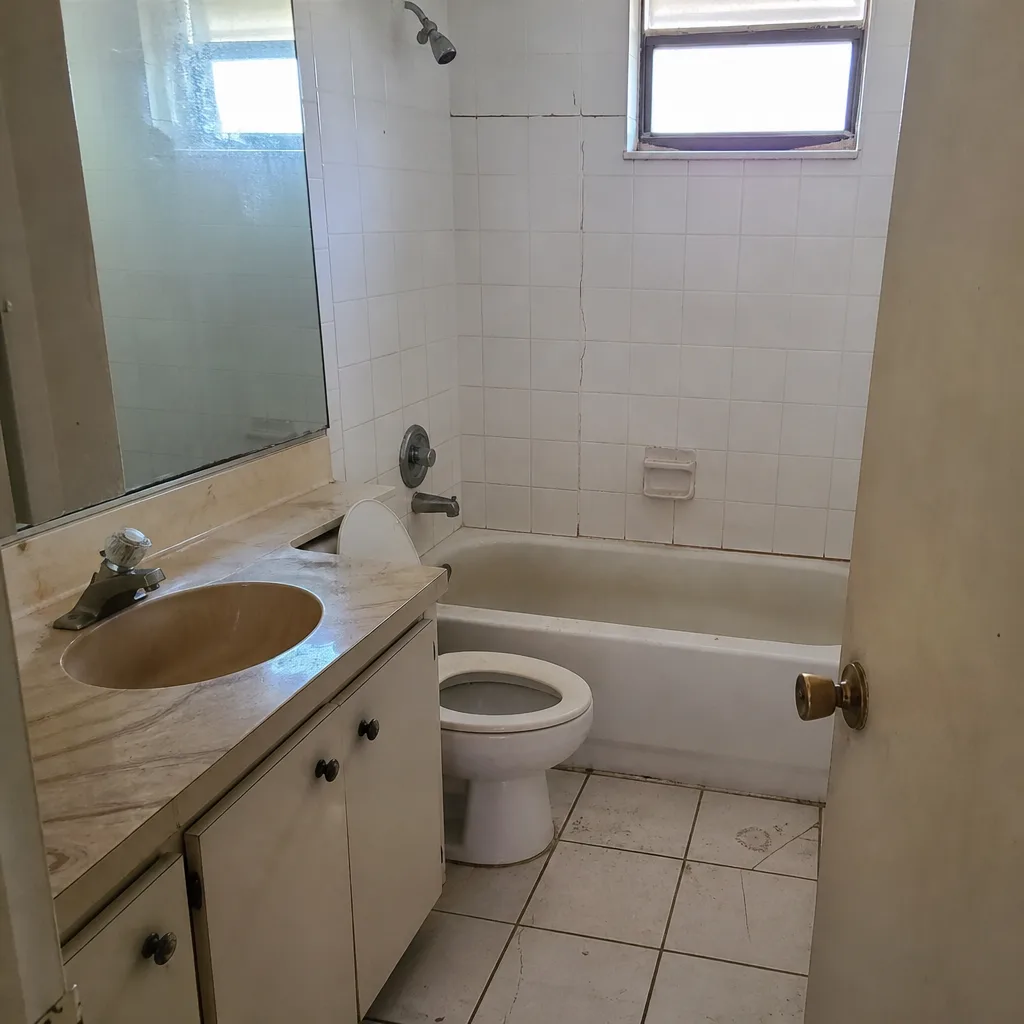 Before
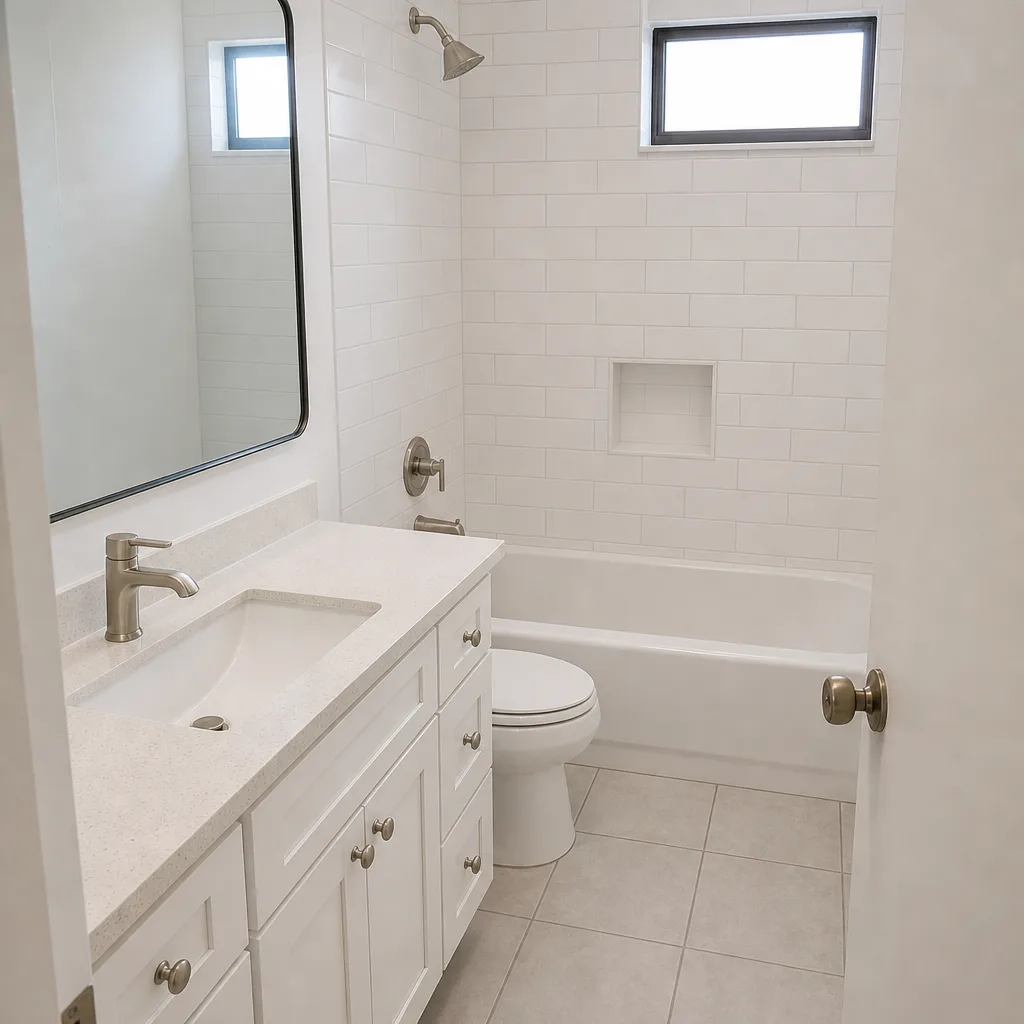 After
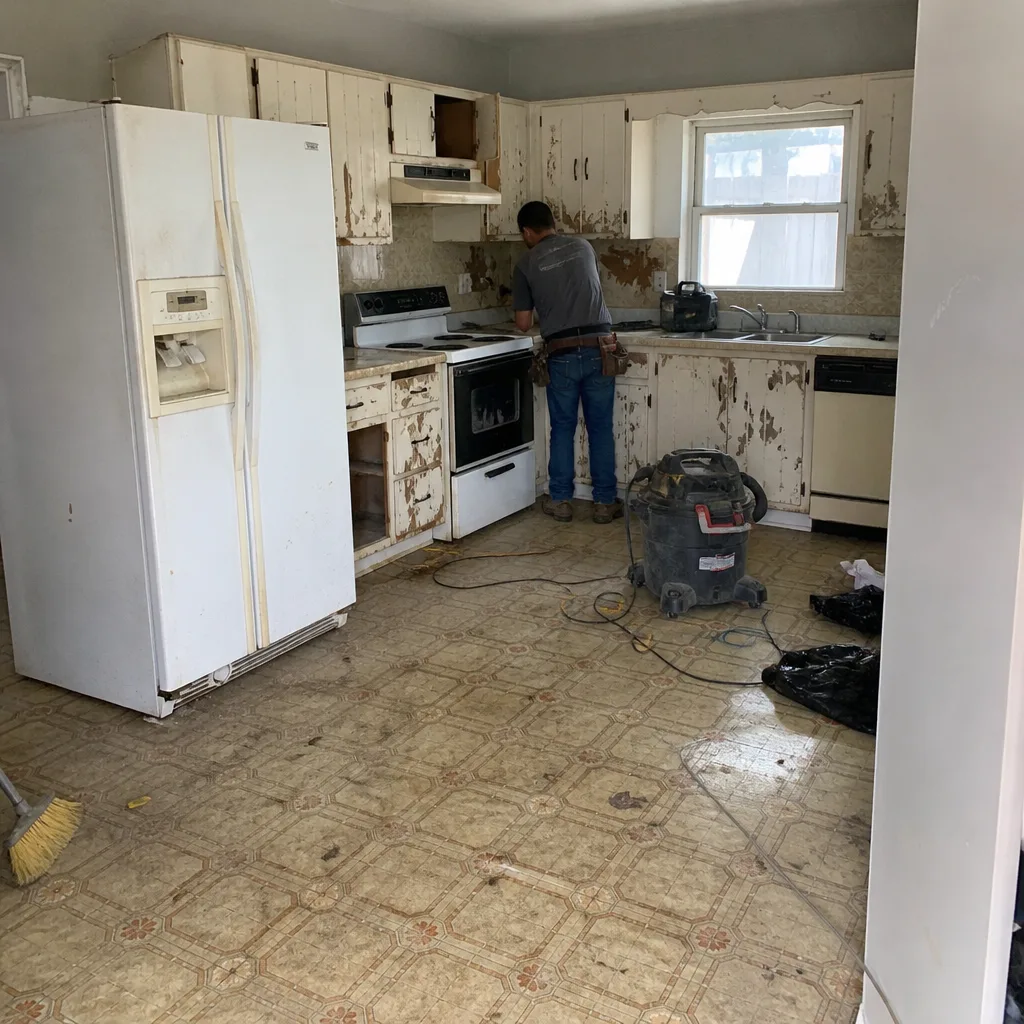 Before
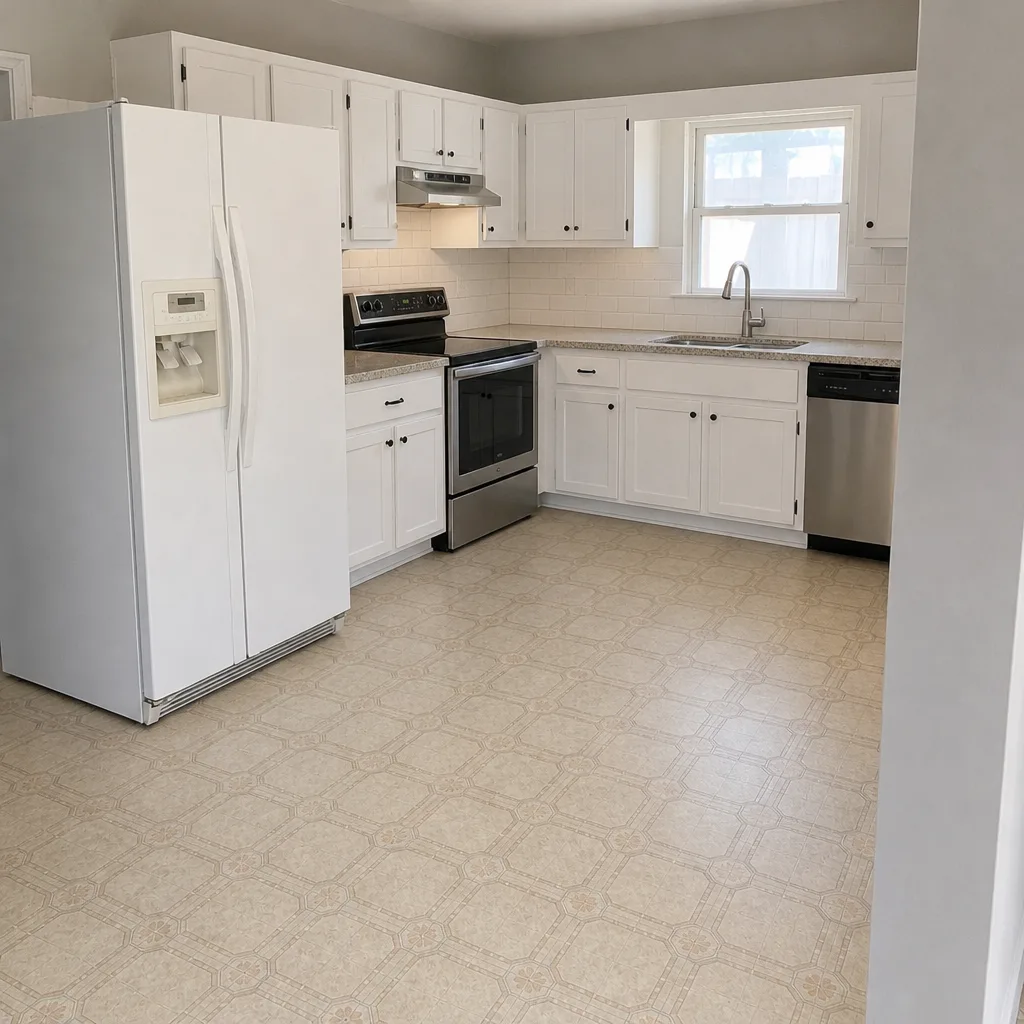 After
When to Call a Professional
Call a licensed contractor when the project involves any of the following: structural framing, electrical work past a fixture swap, plumbing rough-in or finish, HVAC, roofing, waterproofing, or any work requiring a sealed engineer’s drawing. Those categories aren’t about skill – they’re Florida statute and Miami-Dade permitting, and no amount of reading changes the requirement. Call a pro if you’re considering the owner-builder exemption for an ADU you intend to rent, or if a permit has already failed an inspection and the county is walking toward a suspension.
Rowan Construction Group Doral offers free estimates in Doral for home additions and ADUs, with a written price before any work starts and a written scope you can compare line by line. Every visit includes a documented photo record, and every crew member is background-checked. Call (888) 300-3896 to schedule your free estimate, or bring a competitor’s quote and we’ll review it line by line at no charge as a Free Second Opinion. For a deeper look at our addition and ADU work, see Home Additions & ADU in Doral.
Frequently Asked Questions
You can pull the permit as an owner-builder on your primary residence, but you cannot legally self-perform electrical, plumbing, mechanical, or roofing work, and the one-year sale restriction applies after the permit closes. The permit requires a signed, recorded disclosure with the building department. Call (888) 300-3896 for a free estimate on the licensed trades you can’t self-perform.
Your permit can be suspended or revoked, and Miami-Dade generally requires a licensed contractor to take over and finish the work at full market rate. The failed record also follows your name for future permits and can complicate a sale. Call us before you reach that point – a free second opinion on your current permit is available.
Not reliably. Most Florida policies exclude or reduce coverage for damage from unpermitted work or owner-performed structural work, and the exclusion typically surfaces at claim time. Call (888) 300-3896 to review your project scope before you decide what to take on.
Roughly 10 – 15% of total project cost – about $17,000 to $40,000 on a $180,000 – $320,000 ADU – from painting, trim, tile, cabinet installation, and landscaping. Structural or system DIY exceeds the savings when it fails. Call (888) 300-3896 for a written scope that separates DIY lanes from licensed must-haves.
For the four system trades and for structural work, yes – Florida statute requires it regardless of who holds the permit. For finish trades, no. We routinely hand homeowners the finish-trade scope to self-perform and keep the licensed trades in the written quote. Call (888) 300-3896 to see what that split looks like for your property.
No. The exemption carries a one-year restriction on sale and lease of the residence after the permit closes, and violating it can invalidate the permit. If the ADU is planned as income property, use a licensed contractor from the start. Call us for a written quote on a fully licensed ADU.
The Bottom Line
DIY on a Florida home addition or ADU works in a narrow band: painting, trim, tile setting over correctly waterproofed substrate, cabinet installation, and landscaping. Everything else – structural framing, electrical, plumbing, mechanical, and roofing – requires a licensed contractor no matter how you pull the permit, and the owner-builder exemption’s one-year sale restriction and inspection-failure consequences turn small savings into real exposure. The right question isn’t “can I do this myself” but “which lines on this written scope require a license and which don’t.” Rowan Construction Group Doral quotes a flat written price with a written scope before any work starts, and every project is backed by the 365-Day Done Right Promise. Call (888) 300-3896 for a free estimate.
Written by the team at Rowan Construction Group Doral.