Last updated November 18, 2026
Free written scope consultation - allowances, timeline, and change-order rules on paper before a single trade is scheduled
DIY vs Professional Construction: The Doral Homeowner’s Decision Guide
Here’s the fact most Doral homeowners never hear before they pick up a pry bar: Florida law may allow you to act as your own contractor, but Miami-Dade’s local amendments quietly take that option away for a huge share of Doral homes. The dividing line is the High-Velocity Hurricane Zone, which covers every home here built before 2002, and it voids the owner-builder exemption for any work that touches the building envelope. So the question isn’t whether you’re handy enough. It’s whether the law lets you do the job at all. This guide walks through what’s legally DIY in Doral, what the real cost comparison looks like once you count tools and time, and how an unpermitted job can follow you to the closing table.
Quick Answer
In Doral, DIY is legally viable only for cosmetic, non-structural, non-envelope work like interior painting, cabinet replacement, and floor tile. Anything affecting the building envelope on a pre-2002 home in the High-Velocity Hurricane Zone, plus most electrical and plumbing, requires a licensed contractor to pull permits under Florida Statute 489, no matter how skilled you are. Factor in the resale disclosure obligation and the insurance problems that unpermitted work creates, and many “DIY” projects wind up costing more than a written contractor quote.
Styles & brands we work with
- Kitchen remodeling
- Bathroom remodeling
- Home additions & ADU
- Roofing
- Windows & doors
- Driveway & pavers
- Fence
Table of Contents
- What the Florida Owner-Builder Exemption Actually Permits in Doral
- Which Projects Are Legally DIY in Doral, and Which Aren’t
- The True Cost Comparison: Five Projects, Dollar by Dollar
- How Unpermitted Work Affects Your Insurance Claim
- The Resale Disclosure Problem Nobody Mentions
- Where DIY Prep Work Genuinely Lowers a Contractor Quote
- Common Mistakes to Avoid
- When to Call a Professional
What the Florida Owner-Builder Exemption Actually Permits in Doral
Florida Statute 489.103(7) lets a homeowner act as their own contractor for construction, improvement, or repair on a single-family residence they own and occupy as their primary residence. You still need the permits, and you still need inspections. What you skip is the requirement to hire a licensed contractor to pull them. That sounds generous until you read the fine print.
The exemption requires the owner to do the work themselves or supervise it directly, to sign an affidavit stating they understand the owner-builder risk, and to disclose on any future sale that the work was done without a licensed contractor. That last item is where the real weight lands. Miami-Dade’s local amendments then narrow the exemption further: any work in the High-Velocity Hurricane Zone that affects the building envelope is off the table. The building envelope is the shell that keeps wind and water out – roof, windows, doors, exterior walls, and the water barrier behind them. For the substantial number of Doral homes built before the 2002 code cycle, that clause rules out a long list of projects the state statute appears to allow.
- What it permits: cosmetic and interior work that does not touch structure or the envelope, on a home you live in as your primary residence.
- What it prohibits: envelope work in the High-Velocity Hurricane Zone, and always electrical, plumbing, and mechanical work that requires a licensed trade to permit.
- What it triggers: a signed owner-builder affidavit, and a disclosure obligation you owe any future buyer.
If you’re unsure where your project falls, and a lot of Doral homeowners genuinely are because the answer shifts by build year and by scope, that’s exactly what our Rowan Construction Group Doral home overview is designed to help sort out.
Which Projects Are Legally DIY in Doral, and Which Aren’t
Use this matrix as a starting point, then confirm with the City of Doral Building Department or a licensed contractor before you buy materials. The categories are driven by Florida licensing law and Miami-Dade’s hurricane-zone amendments, not by how difficult the work actually is.
| Project | Legally DIY in Doral? | Why |
|---|---|---|
| Interior painting | Yes | Cosmetic, no permit, no envelope impact |
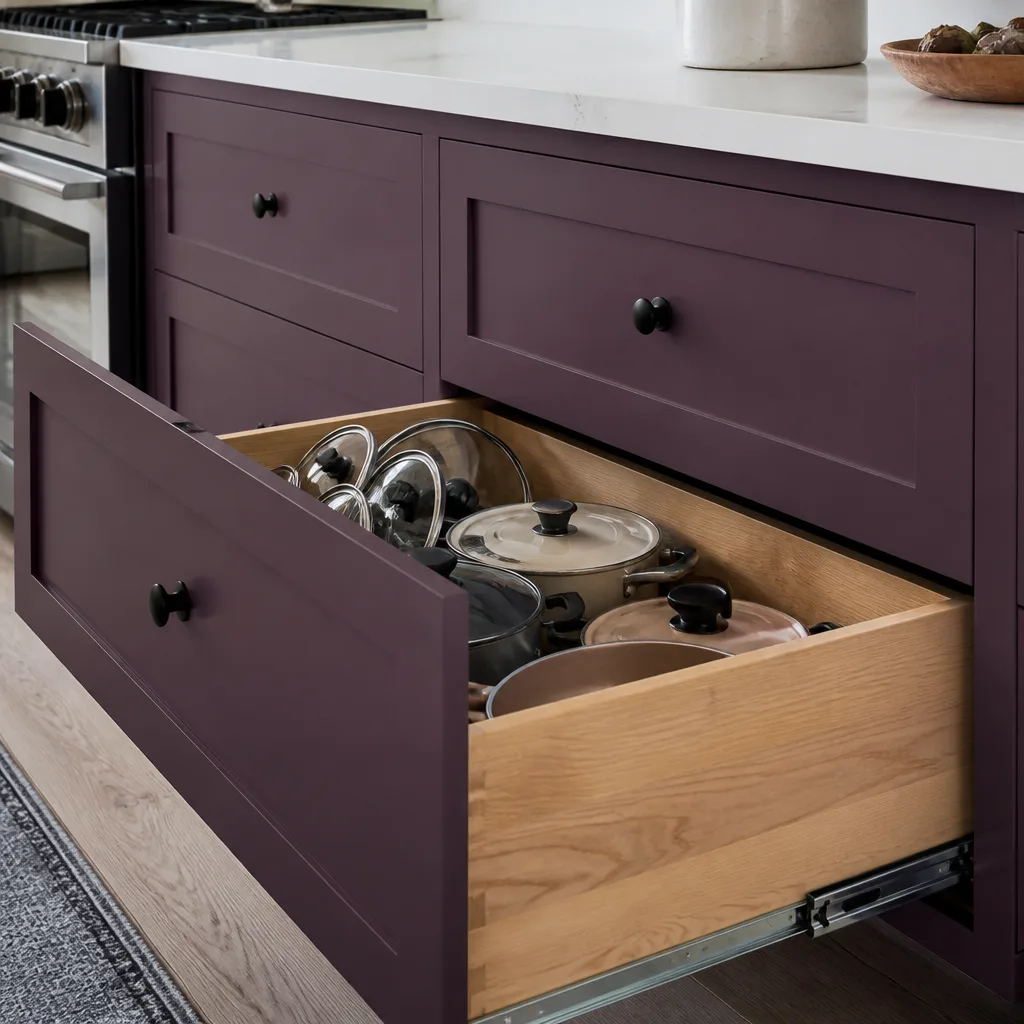
| Cabinet replacement (like-for-like) | Usually yes | Interior finish work; permit depends on any electrical or plumbing relocation |
| Non-structural floor tile | Usually yes | Finish material; no structure or envelope change |
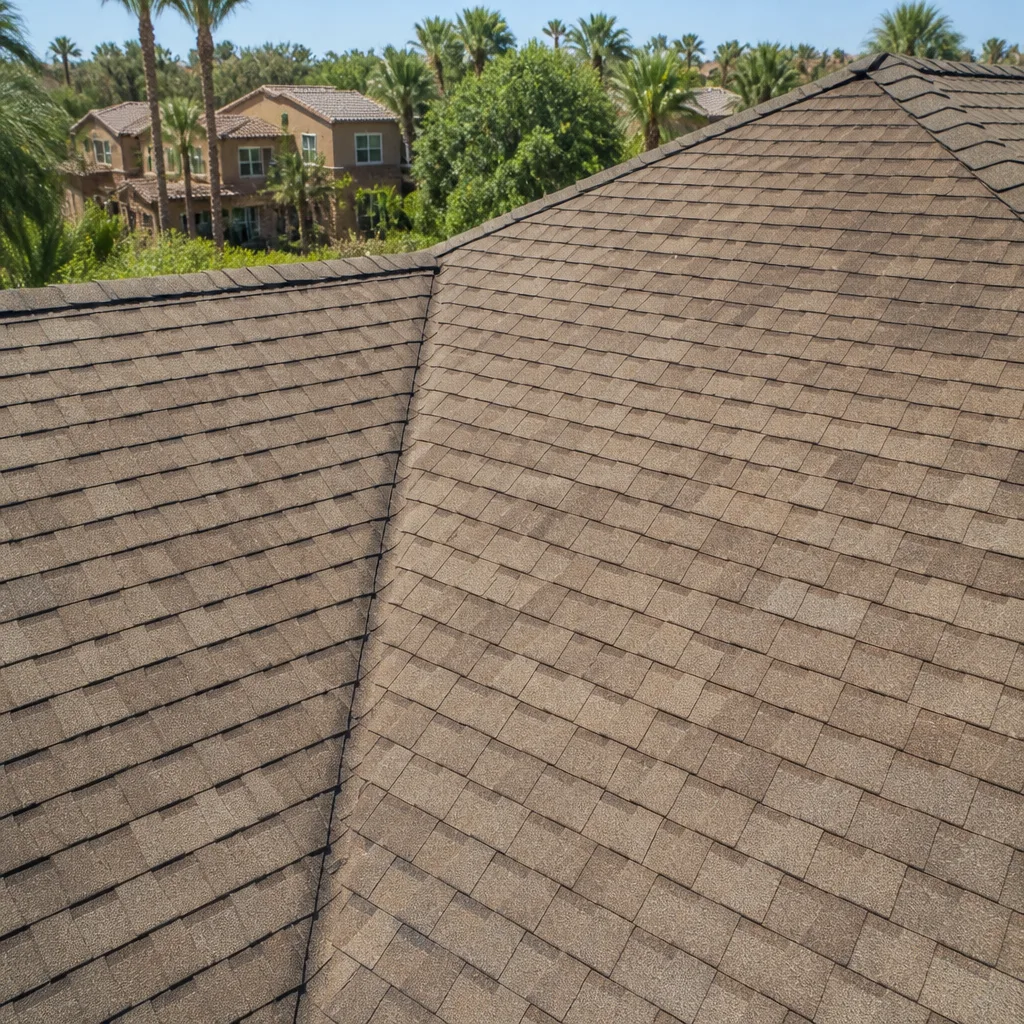
| Roof repair or replacement | No | Building envelope in the HVHZ requires a licensed roofing contractor |
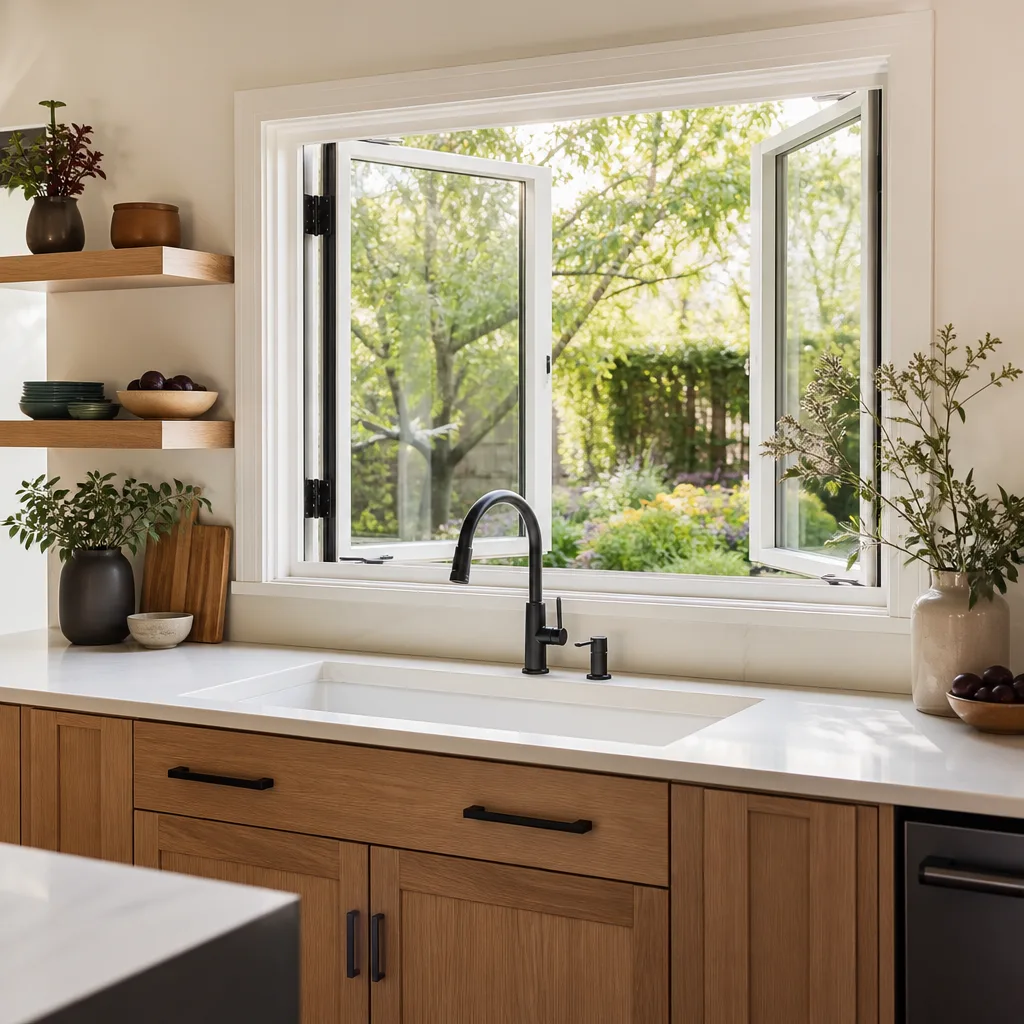
| Window and door replacement | No | Envelope opening; requires licensed installation and product approval |
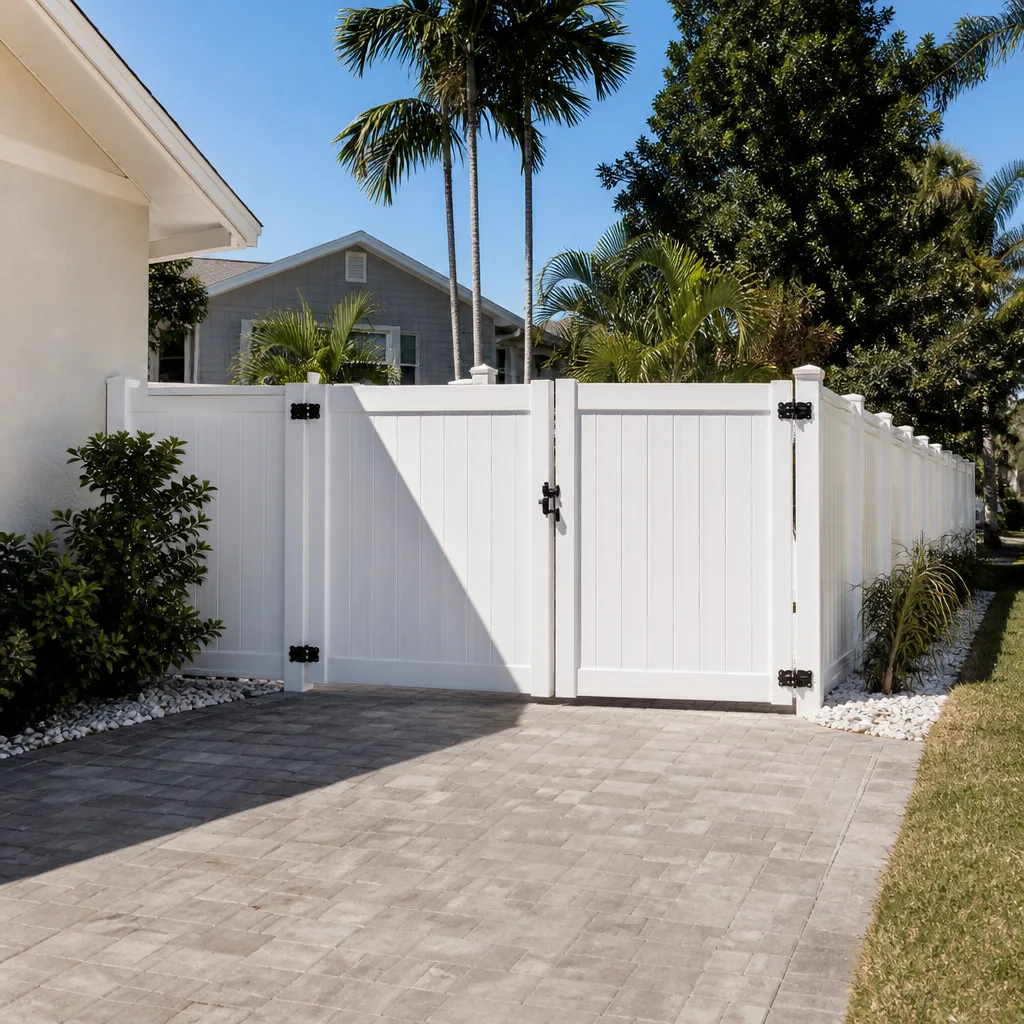
| Fence installation | Sometimes | Depends on height and placement on the lot line; permits and surveys come into play |
| Driveway and paver work | Sometimes | Permit and right-of-way rules apply; site prep and grading are not casual tasks |
| Electrical, plumbing, or gas | No | Licensed trade required, full stop |
| Additions and ADUs | No | Structural and envelope work, plus zoning review |
Notice the pattern: the work that most affects your safety and your insurance is the work Florida reserves for licensees. Interior painting and cabinet swaps are real DIY territory. Anything that gets inspected on a structural or envelope basis usually isn’t. Fence and paver projects sit in a middle zone where the site conditions decide. If your work crosses into the envelope or structural side, a licensed pro is the only legal path, and our Home Additions & ADU in Doral page covers the process for the biggest end of that spectrum.
The True Cost Comparison: Five Projects, Dollar by Dollar
DIY usually gets costed as materials only. That’s the wrong math. Tools, permit fees, disposal, and your own hours at a realistic hourly rate all belong in the column. Here’s a template for doing it honestly, with typical Doral-market ranges for a mid-size home. Treat the numbers as ranges to sanity-check against your own quotes, not a bid.
1. Kitchen Backsplash (about 30 sq ft)
- DIY: tile $150-$350, thin-set and grout $50-$90, wet saw rental or purchase $60-$150, notch trowel $15. Ten hours of your weekend.
- Pro: $600-$1,100 installed, typically one day, with a written scope and warranty.
- Verdict: DIY is defensible on cost if you own a wet saw and know how to cut around outlets. The risk is waterproofing and lippage on a visible focal point.
2. Paver Repair or Expansion (about 100 sq ft)
- DIY: base material $60-$120, pavers $200-$450 depending on brand, plate compactor rental $80-$140, edge restraint $40.
- Pro: $900-$1,800 installed with proper base depth and compaction.
- Verdict: pavers done without correct base prep and compaction sink within a Miami-Dade rainy season. In our experience the second attempt usually costs more than the first correct one.
3. Exterior Caulking and Sealing (perimeter of a 2,000 sq ft home)
- DIY: painter’s caulk $30-$70, ladder $150 if you don’t own one, your Saturday.
- Pro: $300-$750 depending on access and height.
- Verdict: the honest DIY winner if your house is single-story. Ladder work over two stories is where it stops being worth it.
4. Drywall Patch (12 sq in hole)
- DIY: patch kit $15-$30, joint compound $15, sanding and primer $20.
- Pro: $150-$400 depending on finish match.
- Verdict: DIY on cost, but only if you can blend texture. A visible patch is a resale-signal item.
5. Fence Installation (100 linear feet)
- DIY: panels $1,500-$3,000, post-hole digging in South Florida limestone is the hidden cost, plus a survey to confirm the lot line.
- Pro: $3,500-$6,500 installed with permit and survey handled.
- Verdict: rarely worth DIY. Post setting, height rules, and the odds of hitting the wrong line make this a licensed job for most Doral homes. See Fence Installation in Doral for the local rules.
If you’re building your own comparison, use a conservative hourly rate for your time, add tool rental, and add permit fees. Then compare against a flat written quote, not an estimate. A written price lets you compare apples to apples; a “probably around” number doesn’t. Under Clause 1 of The Haven Standard, the price is written before anyone starts, and there’s Driveway & Pavers in Doral work to see how that works in practice.
How Unpermitted Work Affects Your Insurance Claim
This is the part that most DIY guides skip entirely. Standard HO-3 homeowners policies and Citizens Property Insurance policies have language excluding damage from work that wasn’t permitted or inspected as required by local code. The typical clause runs something like “loss caused by faulty workmanship, or by work not conforming to applicable codes or ordinances.” Read that in plain terms: if your unpermitted roof repair fails in a storm and lets water in, the insurer can point to the missing permit and deny that portion of the claim.
It gets worse when the work touched the building envelope. Because Doral’s pre-2002 homes fall in the High-Velocity Hurricane Zone, insurers care a great deal about how the shell was maintained. An unpermitted window or door replacement can complicate wind coverage, and it can complicate your ability to get coverage renewed after a claim. The money you saved doing it yourself can quietly become a coverage problem measured in tens of thousands.
The flip side is also true: permitted, inspected work protects you. When you hire a licensed contractor who pulls the permit and passes inspection, the insurer has nothing to point at. That’s the actual insurance value of a professional job, and it’s why we put permit status in writing on every job.
The Resale Disclosure Problem Nobody Mentions
If you use the owner-builder exemption, Florida requires you to disclose on the future sale of the home that the work was done without a licensed contractor. That disclosure lives in the transaction record. Buyers and their agents read the three-star reviews of a house the same way they read the three-star reviews of a contractor: closely. A line item saying “roof work performed by owner without a licensed contractor” is a negotiating lever, and it’s a due-diligence question that comes back in the inspection report.
In Doral specifically, a large share of the housing stock turns over among buyers who financed at 2015-2025 prices and who are underwater-in-attention, if not in equity. Their inspectors and appraisers look hard at permitted status. A missing permit for a fence, an unpermitted addition, or a paver project with no survey can hold up a closing or trigger a repair demand at the last minute. The disclosure requirement exists because the work carries forward to whoever owns the house next, and in a market where people move every seven or eight years, that’s a three-figure problem becoming a five-figure one.
The clean way to avoid this entire category is having a licensed contractor with a paper trail handle any work that a future appraiser will ask about. The paper trail, not the price, is what survives the sale.
Where DIY Prep Work Genuinely Lowers a Contractor Quote
You can absolutely reduce a professional bill by doing the parts of the job that don’t need a license. The trick is knowing which ones those are, and coordinating them into the schedule rather than doing them on your own timeline.
- Demolition of finish materials. Pulling old cabinets, tearing out carpet, drifting up old tile: this is legal, safe, and labor a contractor bills for. Ask what demo is included in the quote before you start.
- Site clearing and access. Moving cars, clearing the driveway for the crew, trimming the branches that block the fence line. This is scheduling rather than licensing, and it can save a half-day of billed time.
- Material delivery coordination. If your contractor lets you receive and store materials on-site, you can sometimes save the delivery and staging line. Confirm in writing who takes liability once the pallet lands.
- Painting after a job. Paint touch-ups and trim after a drywall or cabinetry job are often excluded from the base quote. Doing them yourself is legal and inexpensive.
- Punch-list walkthrough prep. Make a list before the contractor arrives, mark the walls, move furniture. Not glamorous, but a cleaner scope means a tighter written price.
What you should not prep: anything under a permit, anything on the envelope, and anything electrical or plumbing. Those aren’t homeowner tasks; they’re licensed work, and the permit is the proof of it.
Common Mistakes to Avoid
- Assuming the owner-builder exemption applies because you own the home. It doesn’t apply to envelope work in the High-Velocity Hurricane Zone, and that covers most Doral homes built before 2002. Check your build year before you buy a single material.
- Costing the job as materials only. Skip the tool rental, permit fee, disposal, and your own hours, and you’ll convince yourself the DIY number is half the contractor quote. It almost never is.
- Letting a “handyman” pull a permit they can’t legally pull. If someone offers to “handle the permit” without a license number, that’s a red flag on the whole job, not just the paperwork.
- Starting envelope work in the middle of a Miami-Dade rainy season. A roof or window job opened up in June and closed in August invites water intrusion where the insurance policy won’t help. Time envelope work for the dry window if you can.
- Treating fence and paver work as exempt. Placement, height, survey, and rights-of-way all matter in Doral, and a fence in the wrong spot on the lot line is a real dispute with your neighbor.
- Skipping the written scope. A verbal “we’ll do the whole thing for X” is not a comparable bid. You cannot compare a spoken number to a written flat price.
- Assuming your insurance automatically covers the finished work. Read the code-compliance and workmanship exclusions in your policy before you decide the permit doesn’t matter.
When to Call a Professional
Call a licensed professional on any project where the answer to “will this show up on an inspection or an insurance claim?” is yes. That means roofing, windows and doors, structural changes, additions and ADUs, all electrical and plumbing, and any fence or paver job on a tight lot line. Call us if you’re unsure where your project lands, and we’ll help you figure out the legal path before you spend a dollar on materials. Rowan Construction Group Doral offers free estimates in Doral, and we’ll also give a free second opinion on any written estimate you’ve already got, line by line, so you can compare a flat price to a flat price. Call (888) 300-3896 to schedule. Our technicians have up to 19 years of experience, and every visit comes with a documented photo record as a standard deliverable.
See the difference
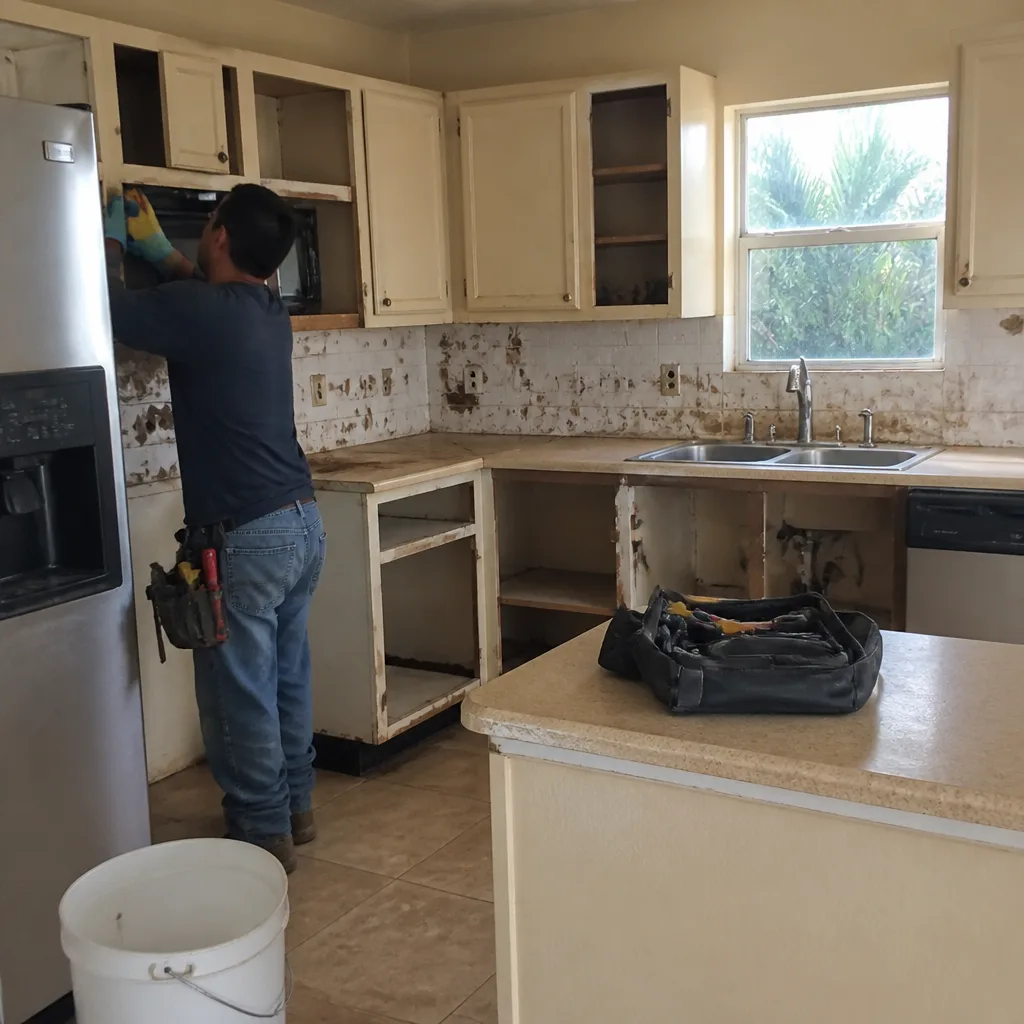 Before
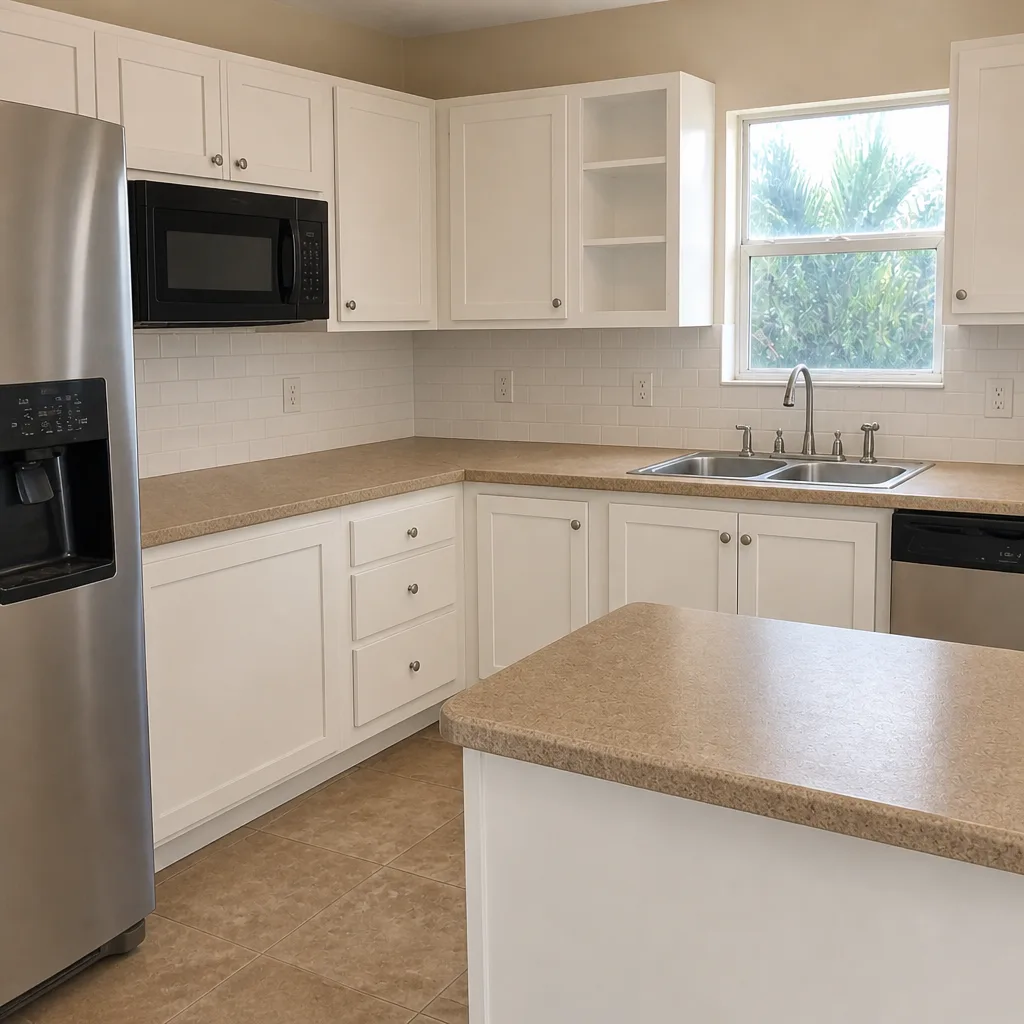 After
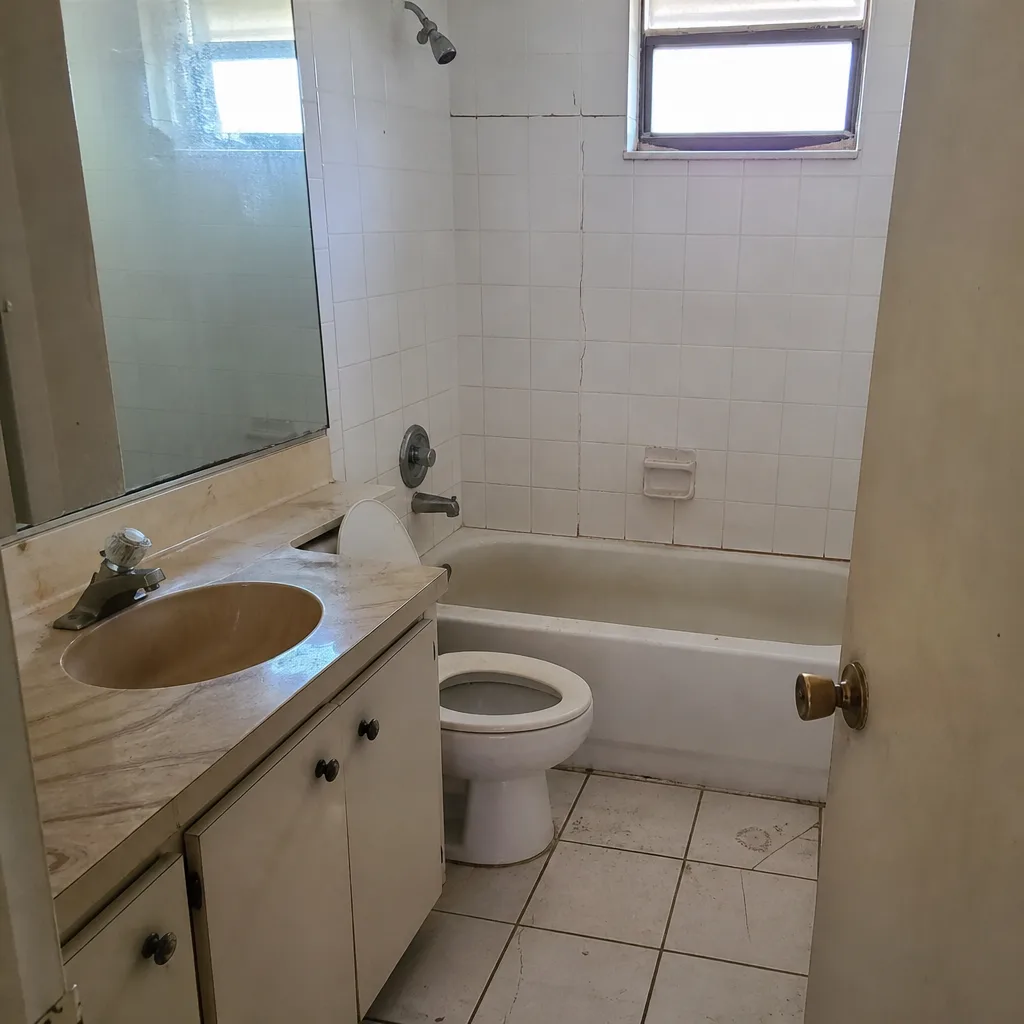 Before
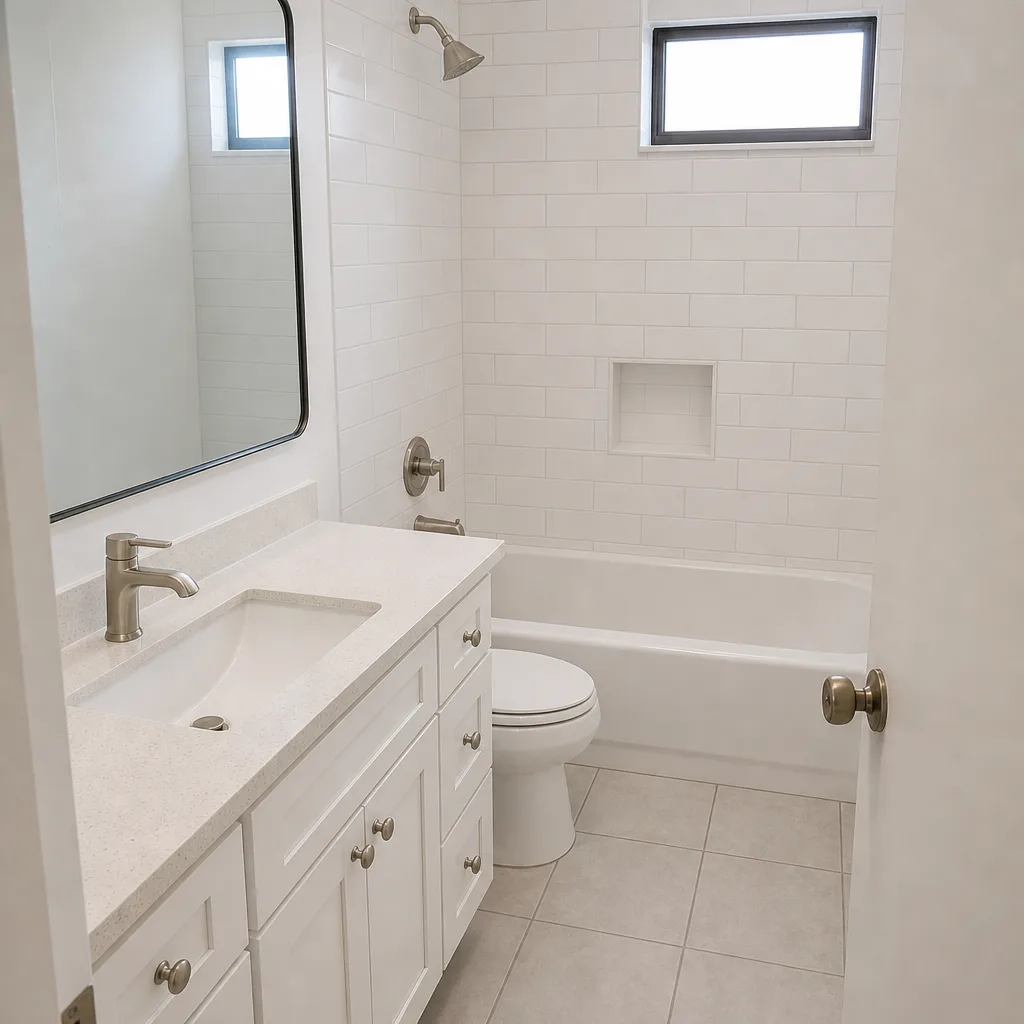 After
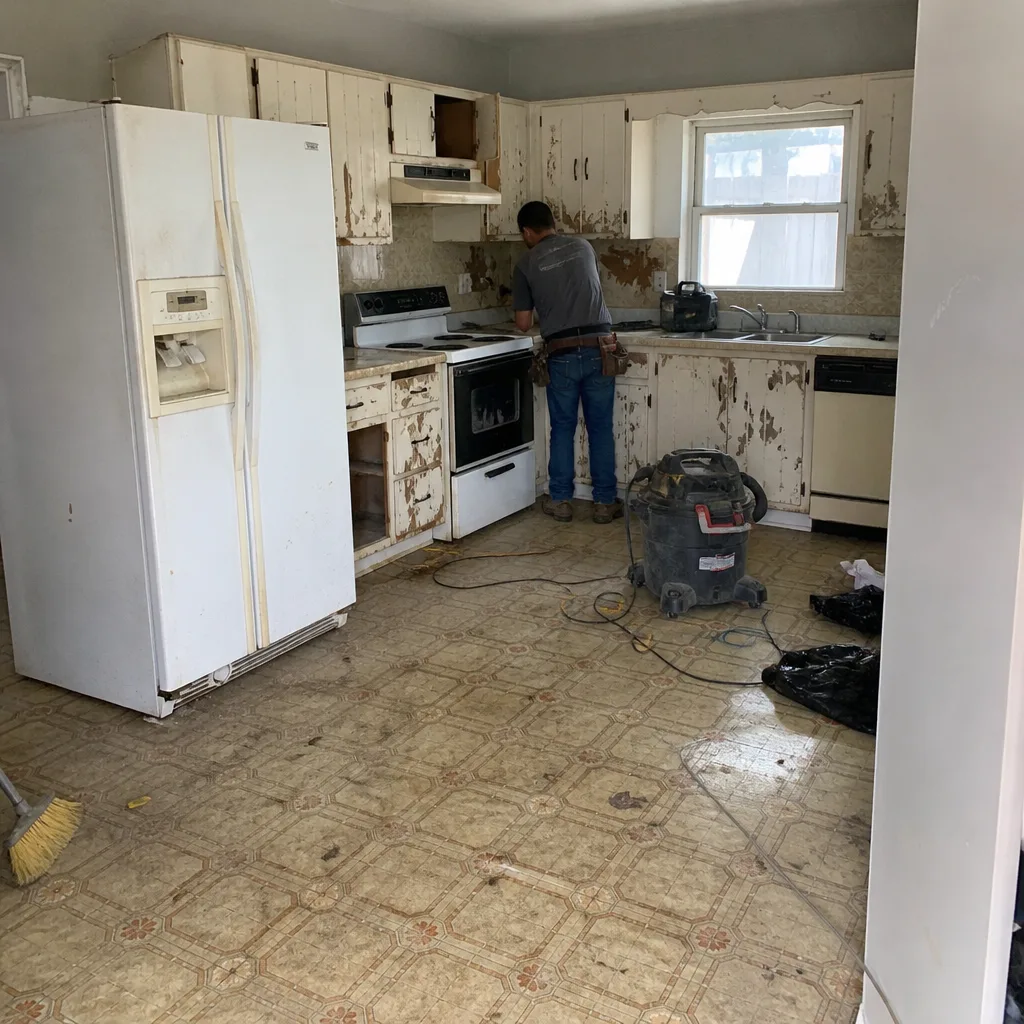 Before
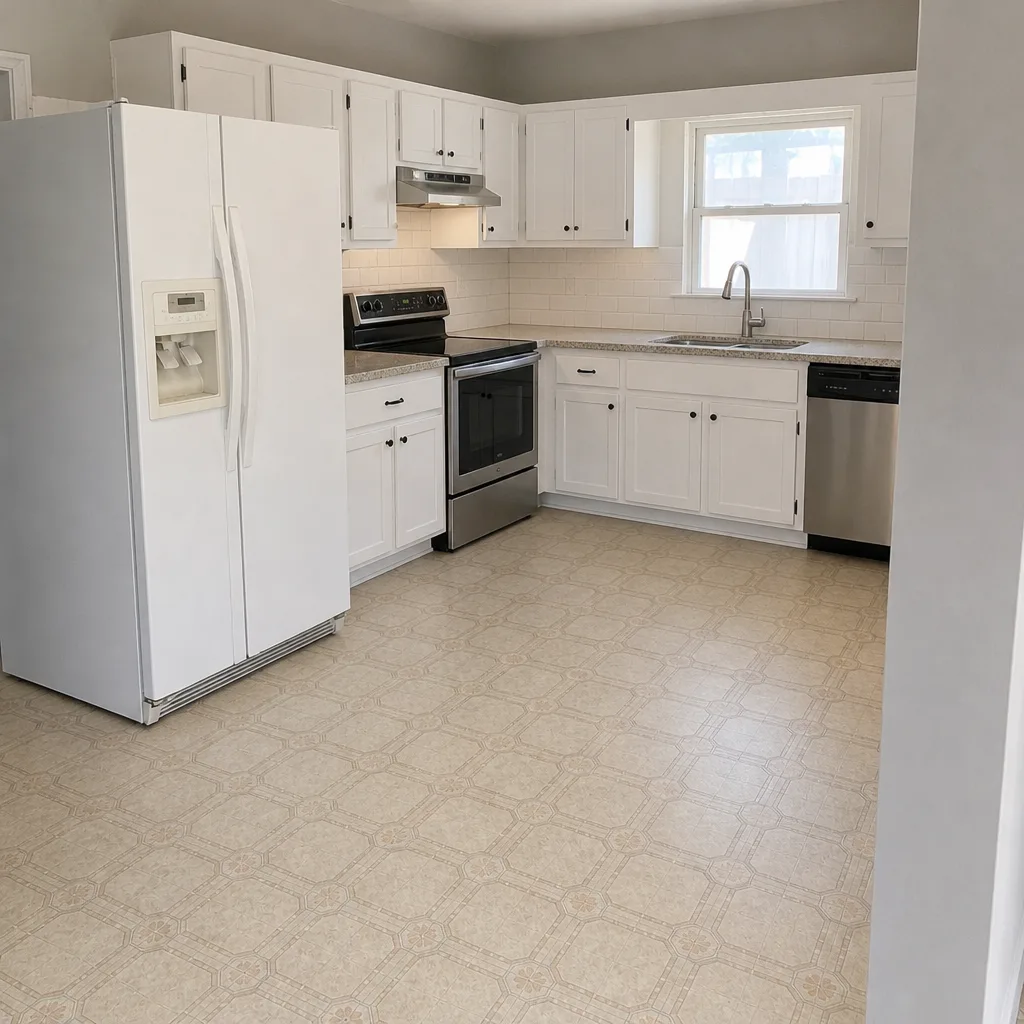 After
Frequently Asked Questions
Only for cosmetic, non-structural work that doesn’t touch the building envelope. Interior painting, cabinet replacement, and non-structural tile generally qualify; roofing, windows, doors, structural work, and any electrical or plumbing require a licensed contractor to pull permits under Florida law, and Miami-Dade’s hurricane-zone amendments void the owner-builder exemption for envelope work on pre-2002 homes. If you want the exact answer for your house, call (888) 300-3896 and we’ll walk you through it.
Usually yes, and the rules depend on height, placement relative to the lot line, and whether the fence sits in a right-of-way. Doral requires fences within a set distance of the sidewalk to meet height limits, and a survey is often needed to confirm where the line actually is before a post goes in the ground. Call (888) 300-3896 for a free estimate that includes permit handling.
An insurer can deny the portion of a claim caused by work that wasn’t permitted or inspected as required. Standard HO-3 and Citizens policies both include code-compliance and workmanship exclusions, so an unpermitted roof or window job in Doral can complicate a storm claim, sometimes severely. The safest approach is to have permitted, inspected work documented. Call (888) 300-3896 to talk through your specific policy.
For a kitchen backsplash, DIY materials and tool rental run $275-$590 against a $600-$1,100 professional quote; for a 100-foot fence, DIY materials of $1,500-$3,000 against $3,500-$6,500 installed with survey and permit. Add your hours at a realistic rate, and the gap narrows or reverses on larger jobs. Call (888) 300-3896 for a flat written quote you can compare line by line.
Yes. Florida requires a homeowner who used the owner-builder exemption to disclose that the work was done without a licensed contractor when the home sells. That disclosure follows the property into the transaction record and often comes back up in an inspection or appraisal. Call (888) 300-3896 for a free second opinion on any work that’s already been done.
Generally no. Only a contractor licensed for the specific type of work can pull the permit for it, and a general handyman isn’t licensed for structural, electrical, plumbing, or roofing. Handing a permit to an unlicensed person puts the whole job outside the legal framework and creates an insurance problem later. Call (888) 300-3896 to schedule a free estimate with a properly licensed contractor.
The Bottom Line
In Doral, the DIY-vs-professional decision turns less on skill than on law. Florida’s owner-builder exemption is narrower than it looks, and Miami-Dade’s hurricane-zone amendments make it narrower still for the many Doral homes built before 2002. Do the honest cost math: materials, tools, time, permit, and the resale disclosure. Then weigh the insurance consequences of doing envelope work without a permit. DIY is a real option for painting, cabinets, and tile, and prep work is genuinely worth doing yourself. Nearly everything else belongs to a licensed contractor, and a written flat price from one is the number worth comparing. Rowan Construction Group Doral quotes a flat written price before any work starts, with the 365-Day Done Right Promise and no change without a signed change order. Call (888) 300-3896 for a free estimate or a free second opinion on your written quote.
Written by the team at Rowan Construction Group Doral.