Last updated November 18, 2026


Free written scope consultation - allowances, timeline, and change-order rules on paper before a single trade is scheduled
Fence Installation Warning Signs Every Homeowner Should Know
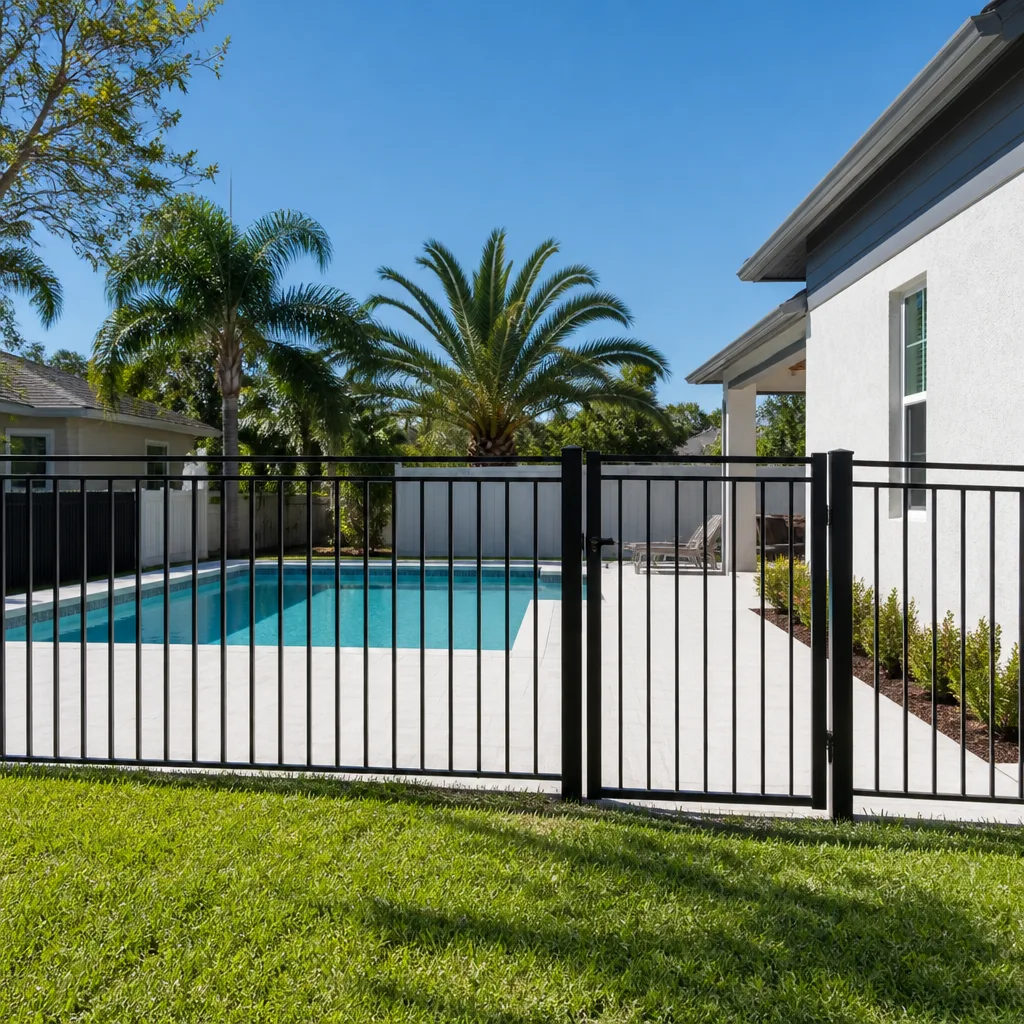
Here’s a detail most fence buyers never hear until it’s too late: a fence built with materials that lack a Miami-Dade County product approval number can be flagged during a future home sale inspection and ordered removed at the homeowner’s expense. The panels can be straight, the posts solid, the workmanship clean, and the problem still sits there in the file cabinet, invisible. That’s the counterintuitive truth about fence failures in South Florida. Most of them aren’t structural. They’re documentary. This guide teaches you to audit the paperwork and the process, not just the finished fence, so the barrier you pay for survives a sale, an HOA review, and a hurricane season in Doral.
Quick Answer
The biggest warning signs of a bad fence installation are a contractor who can’t produce a permit number, a material product approval, and proof of liability insurance before work starts; a crew that sets posts in shallow footings or mounds concrete above grade; and any request for full payment upfront or verbal-only change orders. If the documentation is missing or the process is rushed, the fence is a liability even when it looks fine.
Styles & brands we work with
- Kitchen remodeling
- Bathroom remodeling
- Home additions & ADU
- Roofing
- Windows & doors
- Driveway & pavers
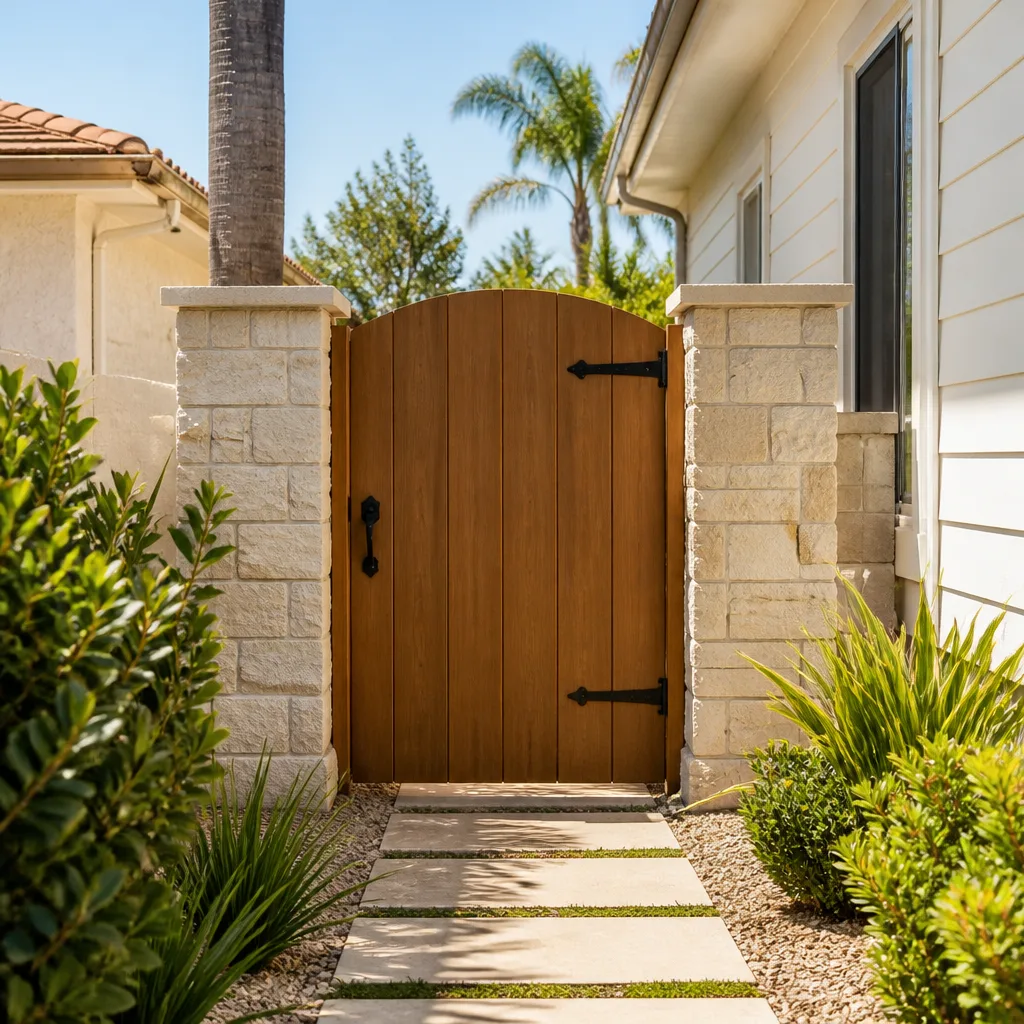
- Fence
Table of Contents
- The Documents a Licensed Florida Fence Contractor Must Show You
- Why Post Depth Beats Post Diameter in South Florida Soil
- Visual Tells of an Improperly Set Post
- Contractor Behavior Warning Signs
- HOA and Property Line Traps
- Material and Product Approval Traps
- What a Bad Fence Costs You at Sale
The Documents a Licensed Florida Fence Contractor Must Show You
Before a single post hole is dug, a licensed fence contractor should be able to hand you four things without hesitation. If you have to ask twice, that’s your first warning sign. In Doral, where new-construction homes and HOA communities are dense, missing documents surface fast during a title search or an association review.
Here’s the checklist to request in writing:
- Permit number. Fences above a certain height, or on corner lots with sight-line rules, require a permit in Miami-Dade. The number should exist before excavation, not after. A contractor who says “we’ll pull it once the posts are in” is pulling it backward.
- Product approval number. Miami-Dade requires a Notice of Acceptance (NOA) or product approval for fence systems and materials rated for wind. Ask for the approval number that matches the exact material being installed, not a generic brand claim.
- Proof of liability insurance. A certificate of insurance naming the property, current within the policy period. Verify it by calling the insurer if needed.
- Signed contract with a change-order clause. The scope, the flat price, the warranty, and the language stating that no change proceeds without a signed change order. Verbal changes are how budgets drift.
Our technicians have up to 19 years of experience, and the first thing they hand a homeowner is a written scope with the price before anyone touches a shovel. That discipline is the same one behind Rowan Construction Group Doral home standards: the number is written first, every time.
Why Post Depth Beats Post Diameter in South Florida Soil
Homeowners fixate on post thickness. A 4×4 versus a 6×6 feels like the sturdy choice. In Doral’s sandy, fast-draining soil, though, depth and the concrete footer do the real work. A thick post set too shallow will lean after one wet season. A standard post set correctly holds its line for years.
South Florida soil drains quickly, which sounds helpful until you realize it also means water moves fast and erodes loose backfill around a post. The footer has to be deep enough to reach stable soil and wide enough to resist lateral wind load. For most residential privacy fencing in this market, that means a footing depth in the range of 24 to 36 inches below grade, with the concrete poured as a proper bell or collar rather than a thin plug at the bottom.
What a correctly built footer looks like:
- Concrete poured around the post to a depth that meets or exceeds the local wind-load spec, not just “down to where it got hard.”
- The concrete collar beveled at the top so water sheds away from the post rather than pooling against it.
- Gravel at the base of the hole for drainage in sandy lots, especially on the western Doral parcels where grade shifts.
- Posts set plumb and braced until the concrete cures, not nudged into place after.
Depth is the spec that protects you. Diameter is the spec that sells the job. Know which one your contractor is talking about.
Visual Tells of an Improperly Set Post
You don’t need a level to spot a bad post set. You need to know what to look at, and you need to look within the first week, before the concrete fully locks the problem in. In our experience across Doral communities, these four tells show up again and again.
- Standing water pooling at the base. If water collects around a post after rain and doesn’t drain within a day, the concrete was beveled wrong or the backfill is loose. Pooling water rots wood and rusts metal over time.
- Posts not plumb within 1/8 inch per foot. A post that leans even slightly at the base will lean more at the top. Check with a level against the post face on two sides.
- Concrete mounded above grade. A dome of concrete sitting proud of the soil looks tidy but traps water against the post. The correct finish is a bevel that slopes down and away.
- Loose or hollow-feeling concrete. Tap the collar. A dull thud suggests air pockets or a footer poured too dry.
If you see any of these during the build, stop the crew and ask for a re-set before the concrete cures. After cure, the fix is demolition. That’s a conversation worth having early, and it’s the kind of thing a documented photo record catches on every visit, which is why we include one as a standard deliverable rather than an add-on.
Contractor Behavior Warning Signs
Craftsmanship gaps are visible. Behavior gaps aren’t, until the money’s gone. These are the process red flags that should end a conversation, not just slow it down.
- Full payment requested upfront. A deposit is normal. Paying the entire job before materials arrive removes every incentive to finish. Standard practice is a schedule tied to milestones.
- Verbal-only change orders. “We’ll sort it out at the end” is how a $9,000 fence becomes a $12,000 fence. No change proceeds without a signed change order, and the signed document is the whole point.
- Permit pulled after installation begins. This is the single clearest tell of a sub who isn’t licensed for the work or is trying to avoid inspection. If the permit shows up after the posts are set, you have a problem.
- No written warranty. A fence should come with a written warranty on materials and workmanship. A handshake guarantee is not a warranty.
- Subcontracted crews you’ve never met. Ask who is actually performing the work and whether they’re background-checked and uniformed. You have a right to know who’s on your property.
On a related trade, the same pattern shows up with Driveway & Pavers in Doral projects, where gravel base depth and compaction get skipped for speed. The tell is identical: the process was rushed, and the paperwork shows it.
HOA and Property Line Traps
Doral is HOA-dense, and fence disputes here tend to be about inches, not feet. A fence installed six inches onto a neighbor’s lot, or six inches the wrong side of an association easement, can require full removal under Miami-Dade county code, and the homeowner pays for it. A survey before layout is not optional in this market.
Before a fence is built in Doral, confirm three things:
- An up-to-date survey showing the actual property line. Not the fence line the last owner left behind. Lines shift with additions and re-plats.
- The HOA architectural approval in writing. Height limits, material restrictions, and color palettes vary by community. A white vinyl panel approved in one Doral neighborhood may be barred in the next.
- Easement and setback distances. Utility easements and drainage swales often run along rear and side lines. Building over them invites a removal order.
A contractor who starts layout without seeing your survey is gambling with your money. Ask for the survey first, and treat “we’ll eyeball it” as a warning sign worth walking away from.
Material and Product Approval Traps
Miami-Dade is a high-velocity hurricane zone, which means fence materials are held to wind-load and impact standards that don’t apply in most of the country. A beautiful fence made from an unapproved system can fail inspection, fail at resale, or fail in a storm. The product approval number is the proof.
What to ask about the material itself:
- The exact product approval number for the panel, post, and fastener system, not just the brand name.
- Whether the fasteners match the spec. Stainless or coated fasteners in coastal salt air matter. Galvanized is a start; the wrong screws rust and stain panels within two years.
- Wind-load rating in pounds per square foot for the height and exposure being installed. Higher fences catch more wind.
Quality hardscape and fence suppliers in this market, including Belgard, Techo-Bloc, and Tremron for paver and hardscape components, publish their approval documentation, so asking for it is a reasonable request, not an insult. A legitimate contractor keeps it on file and produces it without a fuss.
What a Bad Fence Costs You at Sale
The expensive moment for a bad fence isn’t the install. It’s the sale. A title search and inspection can surface an unpermitted fence, a material without a product approval, or an improvement built over an easement. Each of those can trigger a removal order or a price concession at the closing table, and the cost lands on the seller.
Realistically, the exposure can run from a few thousand dollars for correcting a permit to the full cost of demolition and rebuild for a fence on the wrong line or an unapproved system. That’s the number nobody quotes upfront, because it doesn’t exist until the paperwork gap catches up with you. A fence built with a permit number, a product approval, and a signed scope on file is worth more than the same fence built without them, even though they look identical from the street.
This is why we treat documentation as part of the build, not an afterthought. Under our standing guarantee, the 365-Day Done Right Promise, if the fence isn’t done right we make it right, and the written warranty travels with the paperwork. For homeowners adding a fence alongside a bigger project, the same documentation discipline carries into Home Additions & ADU in Doral, where permits and approvals are even less forgiving.
Common Mistakes to Avoid
- Paying in full before materials arrive. A full upfront payment removes the incentive to finish and leaves you with no leverage if the crew walks. Use a milestone schedule.
- Not pulling a permit at all. Fences on corner lots and fences above the height threshold need a permit in Miami-Dade. An unpermitted fence can be ordered removed during a future home sale inspection.
- Accepting verbal change orders. Every change needs a signed change order, or the price you agreed to isn’t the price you’ll pay. This is the discipline that keeps a project within a few percent of the written number.
- Relying on a brand name instead of a product approval number. “We use a quality brand” is not a spec. Ask for the approval number in writing.
- Skipping the survey on a Doral HOA lot. A fence six inches onto a neighbor’s land can require full removal, and the cost is yours, not the contractor’s.
- Setting posts in shallow footings for speed. In sandy South Florida soil, shallow footings fail after a wet season. Depth and the beveled concrete footer are the real spec.
- Not photographing the work as it goes. A documented photo record of the post-setting stage is your only proof of what’s underground, and it matters if you ever sell.
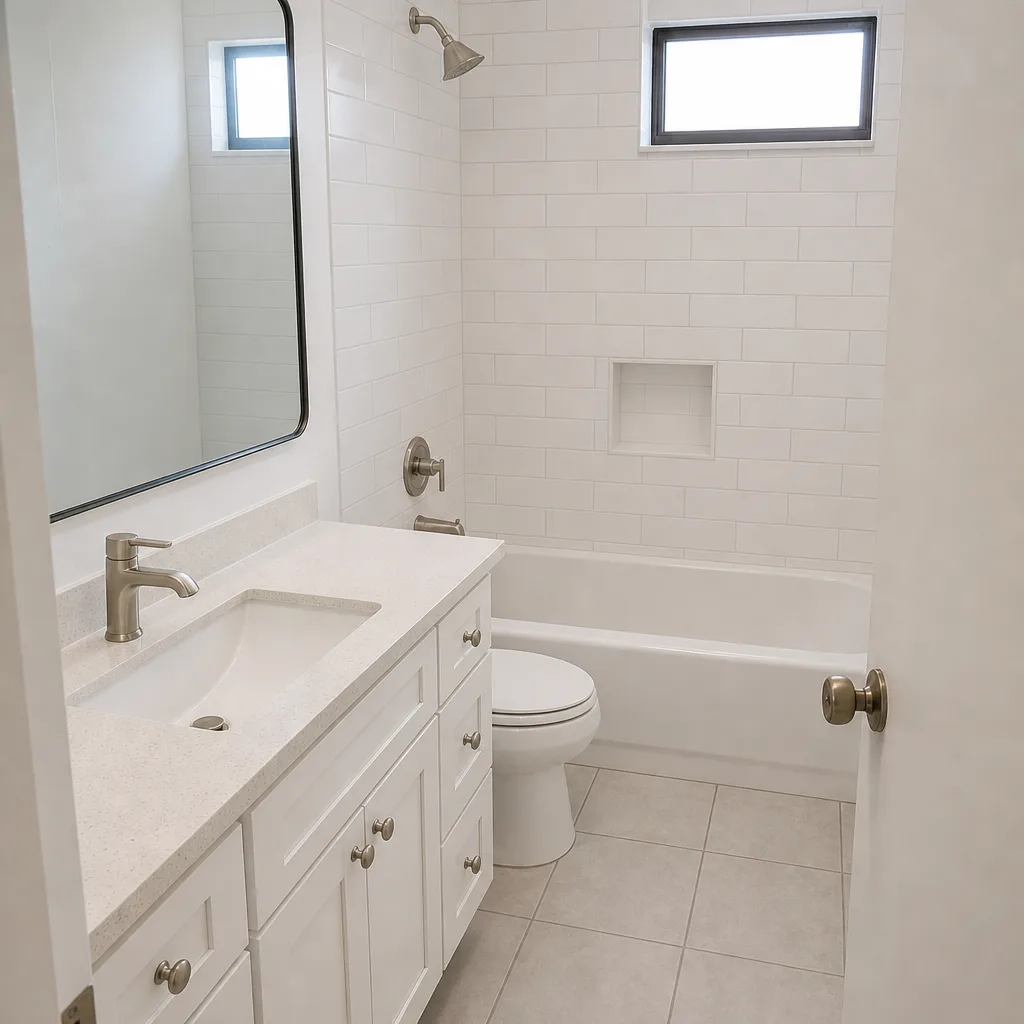
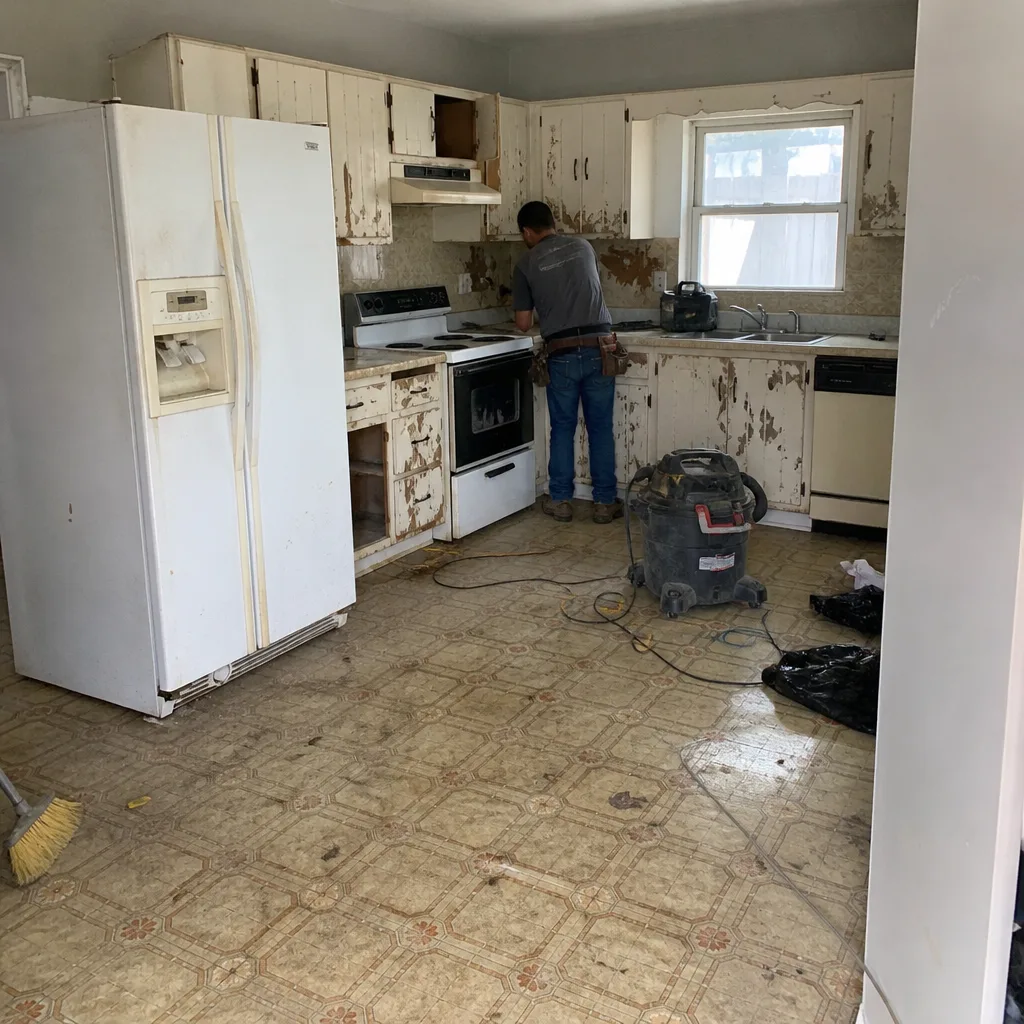
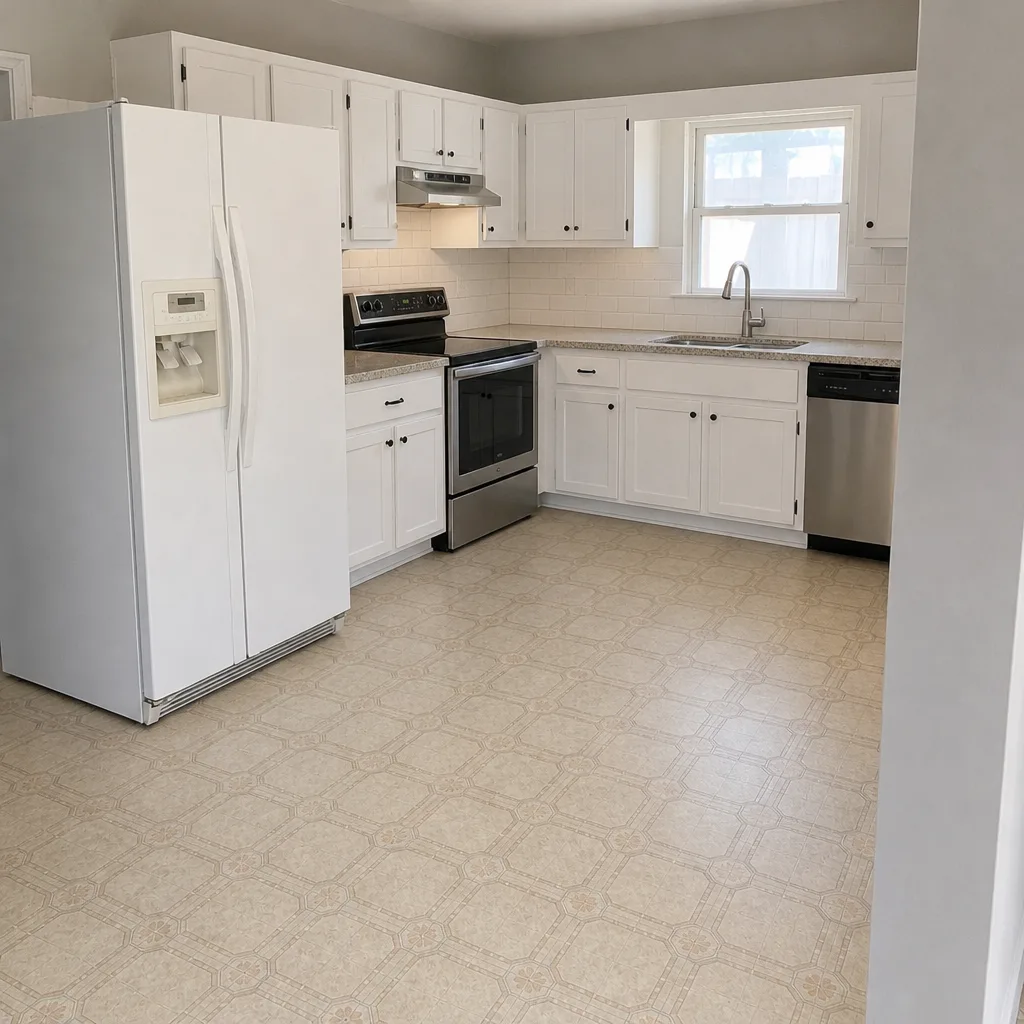
See the difference
 Before
 After
 Before
 After
 Before
 After
When to Call a Professional
Some fence problems are worth solving yourself: a single leaning picket, a loose gate hinge, a panel that needs re-staining. Others aren’t worth the risk. If you’re facing a property line dispute, an HOA architectural review, a fence over an easement, a material without a product approval, or a post footer set in South Florida sand at an unknown depth, bring in a licensed contractor who can produce the documentation and stand behind it. Getting the paperwork right the first time costs far less than correcting it at sale. Rowan Construction Group Doral offers free estimates in Doral, and a written flat price before any work starts. Call (888) 300-3896 to schedule yours.
Frequently Asked Questions
The clearest warning signs are a contractor who can’t produce a permit number, a product approval number for the material, and proof of liability insurance before work starts; a crew that requests full payment upfront; and any reliance on verbal change orders. Ask for all three documents in writing before a single post hole is dug.
In many cases, yes. Fences above a certain height, fences on corner lots, and fences in some HOA communities require a permit in Miami-Dade. The permit number should exist before excavation. If a contractor plans to pull the permit after the posts are set, that’s a serious red flag.
For most residential privacy fencing in this market, footings run roughly 24 to 36 inches below grade, poured as a beveled concrete collar rather than a thin plug. Depth beats diameter in sandy soil because it reaches stable ground and resists lateral wind load. Ask your contractor what depth they’re using and why.
An unapproved fence material can be flagged during a home sale inspection and ordered removed at the homeowner’s expense, even if the fence looks structurally sound. The product approval number is the proof that the material meets local wind-load standards. Request it in writing.
Yes. A fence installed even six inches onto a neighbor’s lot or over an easement in Doral can require full removal under Miami-Dade county code, and the homeowner pays for it. Always get an up-to-date survey before layout begins. Call (888) 300-3896 for a free estimate if you need help getting the line right.
Look for standing water pooling at the post base after rain, posts that aren’t plumb within 1/8 inch per foot, concrete mounded above grade instead of beveled, and concrete that feels hollow when tapped. All four point to a footer that was set too shallow or poured too dry.
The Bottom Line
A fence is only as good as the paperwork behind it. The install that looks clean and the install that survives a sale, an HOA review, and a hurricane season are often the same fence with one difference: one had a permit number, a product approval, proof of insurance, and a signed scope with a change-order clause before work started. Audit the documents, check the post depth, watch for behavior red flags like full upfront payment and post-install permits, and confirm your survey before layout. Do that in Doral, and the fence you pay for is the fence that holds up. Read more about Fence Installation in Doral and call (888) 300-3896 for a free estimate.
Written by the team at Rowan Construction Group Doral.