Last updated November 18, 2026
Free written scope consultation - allowances, timeline, and change-order rules on paper before a single trade is scheduled
Construction Permits, Codes & Inspections in FL: What You Need to Know
The Florida Building Code runs roughly 4,900 pages. But the amendment Miami-Dade County adopted back in 2002 – the High-Velocity Hurricane Zone provision – overrides more contractor decisions in Doral than any single section of the base code, and most homeowners have never heard of it. That gap between the statewide document and the local reality is where budgets slip and timelines stretch. This guide explains which document actually controls your roofing, window, and structural work, what the current permit fees look like, how the three inspection stages work, and what happens when a previous owner pulled no permit at all.
Quick Answer
In Florida, the statewide Florida Building Code sets the baseline, but your permit is issued, reviewed, and inspected by the local building department – in Doral, that means Miami-Dade County’s Product Control and building divisions, and any work inside the High-Velocity Hurricane Zone must meet the stricter HVHZ standards on top of the base code. Permit fees vary by project type, and residential additions are typically priced per square foot on a sliding scale. All work must then pass three inspection stages: rough-in, framing/structural, and final.
Styles & brands we work with
- Kitchen remodeling
- Bathroom remodeling
- Home additions & ADU
- Roofing
- Windows & doors
- Driveway & pavers
- Fence
Table of Contents
- Florida Building Code vs. Miami-Dade Local Amendments
- What Miami-Dade Permit Fees Cost by Project Type
- The Three Inspection Stages and What Each One Checks
- Unpermitted Work: Florida Statute 553 and Your Insurance
- How to Request a Permit Records Search Before You Buy
- Why the HVHZ Matters More in Doral Than Anywhere Else
- A Step-by-Step Permit Process for Doral Homeowners
Florida Building Code vs. Miami-Dade Local Amendments
Think of the Florida Building Code as the floor and the Miami-Dade amendments as the ceiling. The state code is the minimum every county must enforce. Miami-Dade adds its own layer on top, and where the two conflict, the stricter provision wins. For roofing, windows, and structural connections inside the HVHZ, that stricter provision is almost always the local amendment.
The High-Velocity Hurricane Zone covers all of Miami-Dade and Broward counties. A home in Doral sits squarely inside it. That single fact changes what materials your contractor can use, how they fasten them, and what the inspector will accept.
What the HVHZ amendment actually requires:
- Roofing: every roof covering must carry a Miami-Dade Product Approval number, not just a Florida Product Approval. The two are different documents. A shingle that passes statewide rules may fail in Doral if it isn’t on the Miami-Dade approved list.
- Windows and doors: impact-rated assemblies, or approved shutters, with specific pressure and missile-impact ratings tied to the site’s wind zone. The window’s label is checked at inspection.
- Structural connections: hurricane straps, anchor bolts, and continuous load path connections are inspected at the framing stage before anything is closed in. A missed strap rarely shows up until a real storm.
In our experience, the single most common failure at a Doral rough-in is a product that carries a Florida approval but no Miami-Dade approval number. That’s a re-order and a re-inspection, and it’s the kind of thing a written quote with the exact product specified up front prevents.
What Miami-Dade Permit Fees Cost by Project Type
Permit fees in Miami-Dade are not flat. They’re calculated by project type, and for residential additions they’re charged per square foot on a sliding scale – the larger the addition, the lower the per-square-foot rate applied to the upper tiers. The 2024 rate table is the one currently in force, and it’s revised periodically. Treat the ranges below as planning numbers, not quotes.
Typical Miami-Dade residential permit fee ranges:
- Roof replacement (re-roof): roughly $250-$550 for a standard single-family home, plus a separate plan review fee if the scope changes the roof deck or structure.
- Window and door replacement: roughly $150-$400 base, plus per-opening fees that scale with the count.
- Fence installation: a modest flat fee, often under $200 for a standard residential lot. Height and location (a corner lot with sight-triangle rules) can change it.
- Driveway and pavers: permit requirements depend on whether the work touches the right-of-way or drainage. Surface replacement on private property is often exempt.
- Home additions and ADUs: the per-square-foot sliding scale applies here, and this is where permit fees get real. A full addition also triggers impact fees, which are calculated separately and can dwarf the permit fee itself.
Permit cost, though, is rarely the biggest number on the job. Impact fees, plan review, and the schedule of inspections drive the real budget. If you want to see how a Doral addition’s total scope breaks down before you commit, our guide to Home Additions & ADU in Doral walks through the line items.
How long do permit approvals take in Doral?
Plan review turnaround in Miami-Dade varies with the queue and the completeness of the submittal. A clean, complete submittal moves faster than one that gets kicked back for corrections – a large share of the delay homeowners experience comes from resubmittals, not from the county. This is why the written scope matters: an incomplete drawing set is the most common reason a permit stalls.
The Three Inspection Stages and What Each One Checks
The county performs inspections in stages, and each stage gives the inspector a specific, limited authority. Knowing what each one looks at tells you what to expect and when to have questions ready.
- Rough-in inspection. This happens before walls, ceilings, or finishes close in. The inspector looks at framing members, fasteners, hurricane straps, anchor bolts, and the placement of any concealed work – electrical boxes, plumbing runs, insulation. Once the rough-in is signed off, the subcontractor can cover it up. Anything concealed without a rough-in sign-off gets a correction notice or, worse, has to be opened back up.
- Framing / structural inspection. This is the structural sign-off. The inspector confirms the load path, the connections at each framing stage, the sheathing pattern, and that the materials match the approved plans. In the HVHZ, this is where the product approval numbers get matched against the actual installed material. A mismatch here stops the job.
- Final inspection. The inspector verifies that everything approved during the earlier stages is complete, in place, and matches the permit scope. This is the inspection that closes the permit. A final approval is what your certificate of occupancy or completion depends on.
The inspector at each stage is authorized to approve, reject, or request corrections – they cannot approve work outside the permitted scope, and they cannot sign off on a completed stage that wasn’t inspected. That last detail is why the signed document matters. An inspector who never saw the rough-in cannot retroactively approve it.
Unpermitted Work: Florida Statute 553 and Your Insurance
Florida Statute 553 governs the state building code and gives local jurisdictions the authority to enforce it. Work done without a permit is a code violation the county can require you to remedy – and the remedy usually means opening walls to inspect what was built, pulling the missing permits, and passing inspections after the fact.
The consequences reach further than a fine. Two of them compound quietly:
- Insurance claims. A homeowners policy can deny a claim when the damaged work was never permitted or inspected, because the insurer treats unpermitted work as outside the covered, code-compliant structure. A roof that was never permitted can leave a hurricane claim contested.
- Resale disclosure. Florida sellers are required to disclose known material defects and unpermitted work. An open permit shows up in a title search, and a buyer’s lender can walk away from a property with unresolved permit violations. Deals fall apart here more often than homeowners expect.
If you’re buying a home in Doral and something feels off about the “renovated” kitchen or the “new” roof, the permit record is the fastest way to check.
How to Request a Permit Records Search Before You Buy
Every permit pulled on a property in Miami-Dade leaves a record with the building department. You can request them as a buyer. The process is straightforward if you know where to look.
- Gather the property address and folio number. The folio number is the county’s parcel identifier – you can pull it from the property appraiser’s site.
- Submit a public records request to the Miami-Dade building department. Ask specifically for open permits, permit history, and any inspection records on the property. The county processes these requests on its own schedule, typically within a couple of weeks depending on the volume.
- Read the results carefully. An “open permit” is a permit that was pulled but never got a final inspection sign-off. That single status tells you whether a previous contractor finished the job or walked away before the county signed off.
Open permits are a red flag, not a deal-breaker. But they’re a signal about what a past contractor did or didn’t do – and they often come with a remediation cost the seller hasn’t disclosed.
Why the HVHZ Matters More in Doral Than Anywhere Else
Doral sits inside the HVHZ, but it also sits inside a specific wind-borne debris region mapped by the county. That mapping determines the pressure rating any new window, door, or garage door must meet, and it’s checked at the framing inspection. Two homes across the street from each other can fall on different sides of a line that changes the required rating.
This is why the same product set that works fine in Naples can fail a Doral inspection. And it’s why we specify the Miami-Dade Product Approval number on the written quote, not just the brand name. Brands like GAF and Owens Corning make both state-approved and Miami-Dade-approved systems – which system lands on your roof is a decision made at the quote stage, not on the day of install.
Doral’s climate adds another layer. The afternoon thunderstorms and the summer humidity drive more moisture-related failures than wind alone. A roof that passes inspection but vents improperly will trap moisture in the attic and degrade the roof deck over time – a failure that inspection can’t catch, but a documented record can.
A Step-by-Step Permit Process for Doral Homeowners
- Confirm the scope in writing. Every project starts with a written scope that lists specific materials, product approval numbers, and dimensions. Vague scopes get vague permits, and vague permits get corrections.
- Pull the permit with the county. The permit application requires the contractor’s license, the signed scope, and the drawings. For an addition or ADU, plan review goes through the county before the permit issues.
- Schedule the rough-in inspection. The contractor calls it in and you don’t move forward on finishes until it’s signed off.
- Schedule the framing inspection. Structural and HVHZ compliance is confirmed here.
- Complete the work and schedule the final. The final closes the permit and gives you a completion record.
For pavement or a driveway, the process is simpler but not always exempt. If your work touches drainage or the right-of-way, see our guide to Driveway & Pavers in Doral for the local details. And for any fence work, height and corner-lot sight lines are the usual snag – our Fence Installation in Doral guide covers the setback rules.
Common Mistakes to Avoid
- Skipping the HVHZ product check. A Florida Product Approval is not the same as a Miami-Dade Product Approval. Confirm the number is on the Miami-Dade list before you order anything.
- Assuming a re-roof is exempt because it’s “like for like.” In Miami-Dade, a re-roof still gets permitted and inspected. It’s one of the most common unpermitted jobs we see on resale.
- Letting the scope drift without a signed change. Small changes without documentation lead to a permit that no longer matches what was built – the inspector will find it at final.
- Covering walls before the rough-in sign-off. Drywall over an un-signed framing inspection means opening it back up. The inspection has to happen first, no exceptions.
- Ignoring open permits on a property you’re buying. An open permit is a disclosed defect and a potential lender problem. Always request the records before closing.
- Not keeping the records. Your permit history, inspection sign-offs, and product approvals are the proof a future buyer or insurer will ask for. Documented records on every visit are how you avoid having to reconstruct the history later.
See the difference
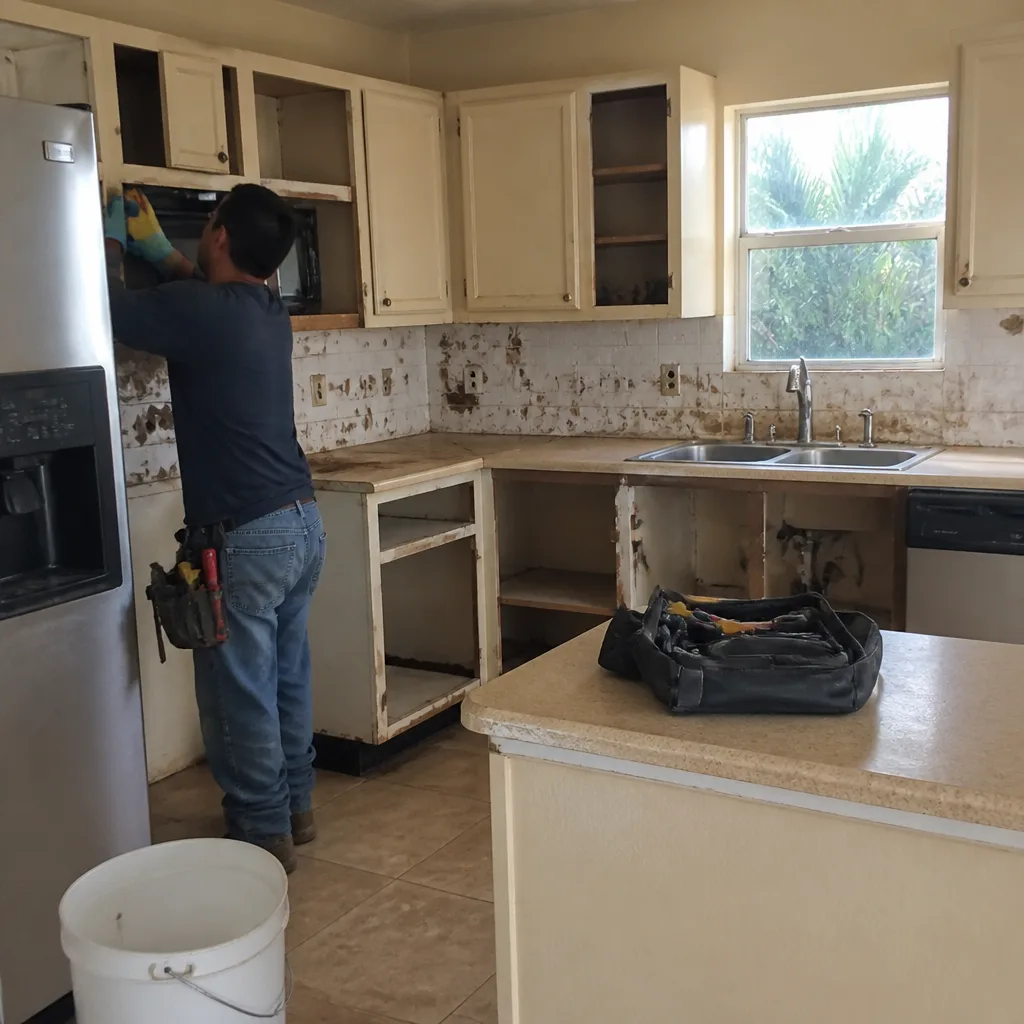 Before
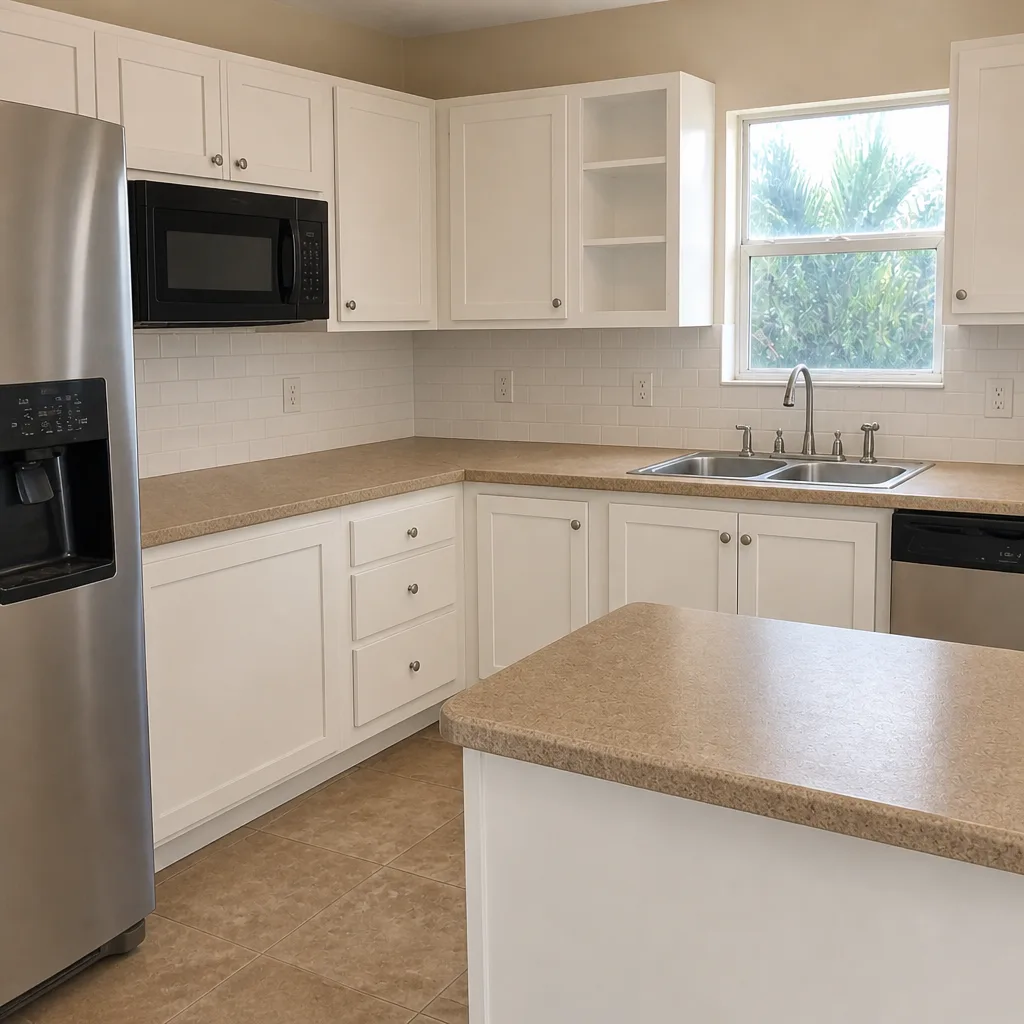 After
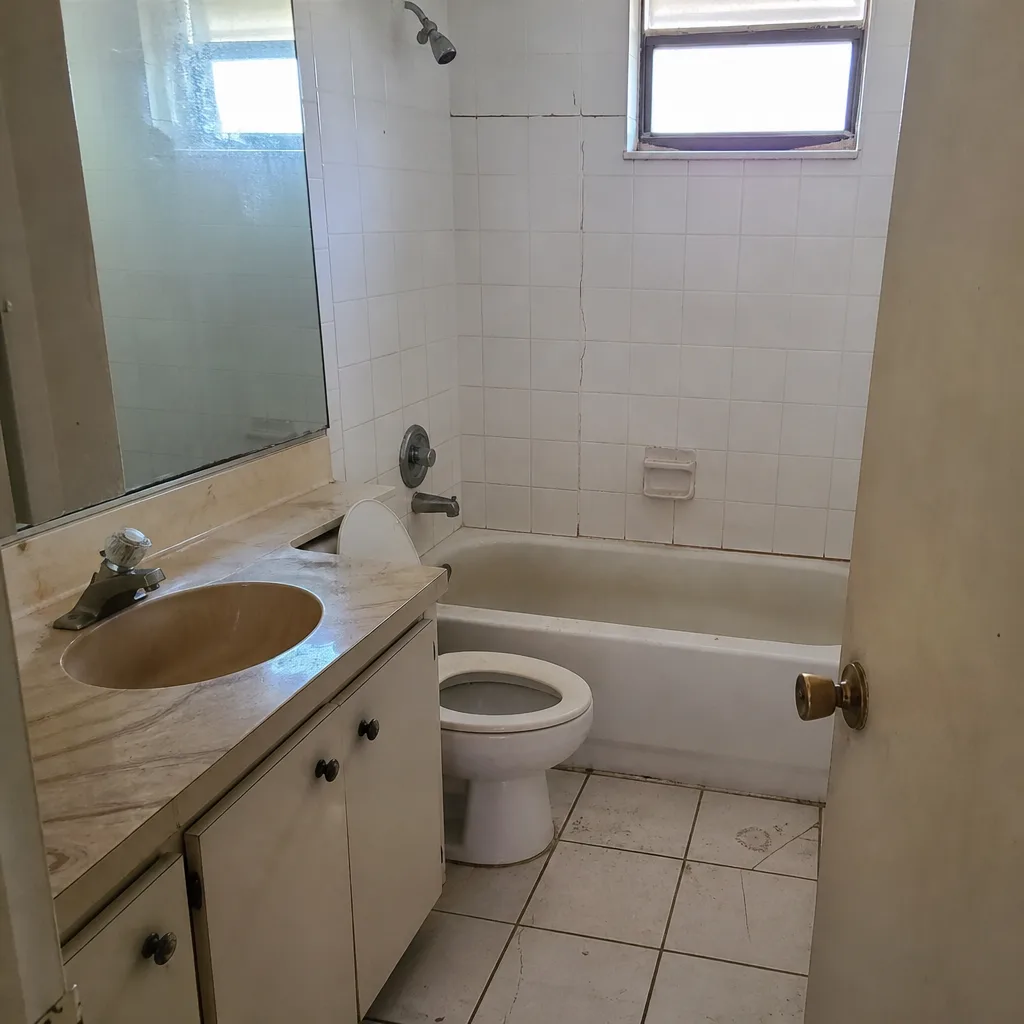 Before
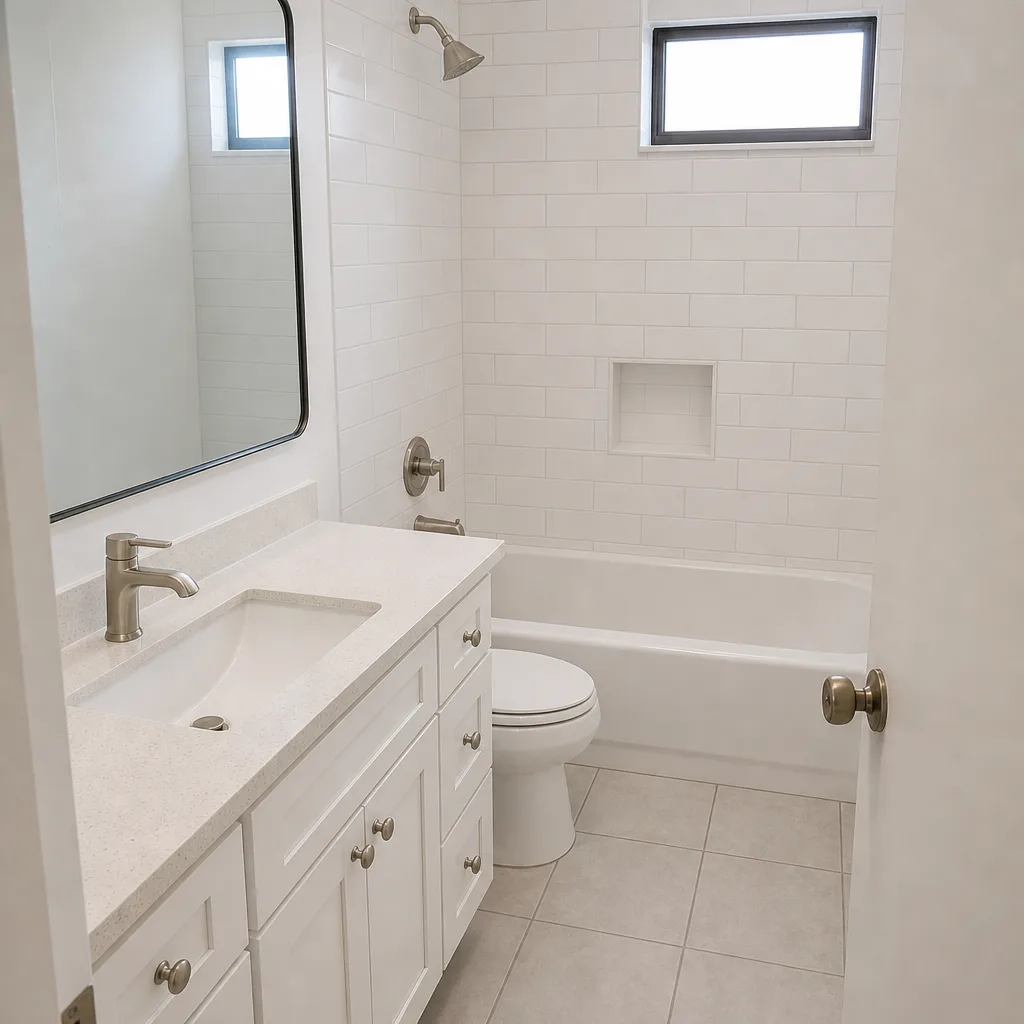 After
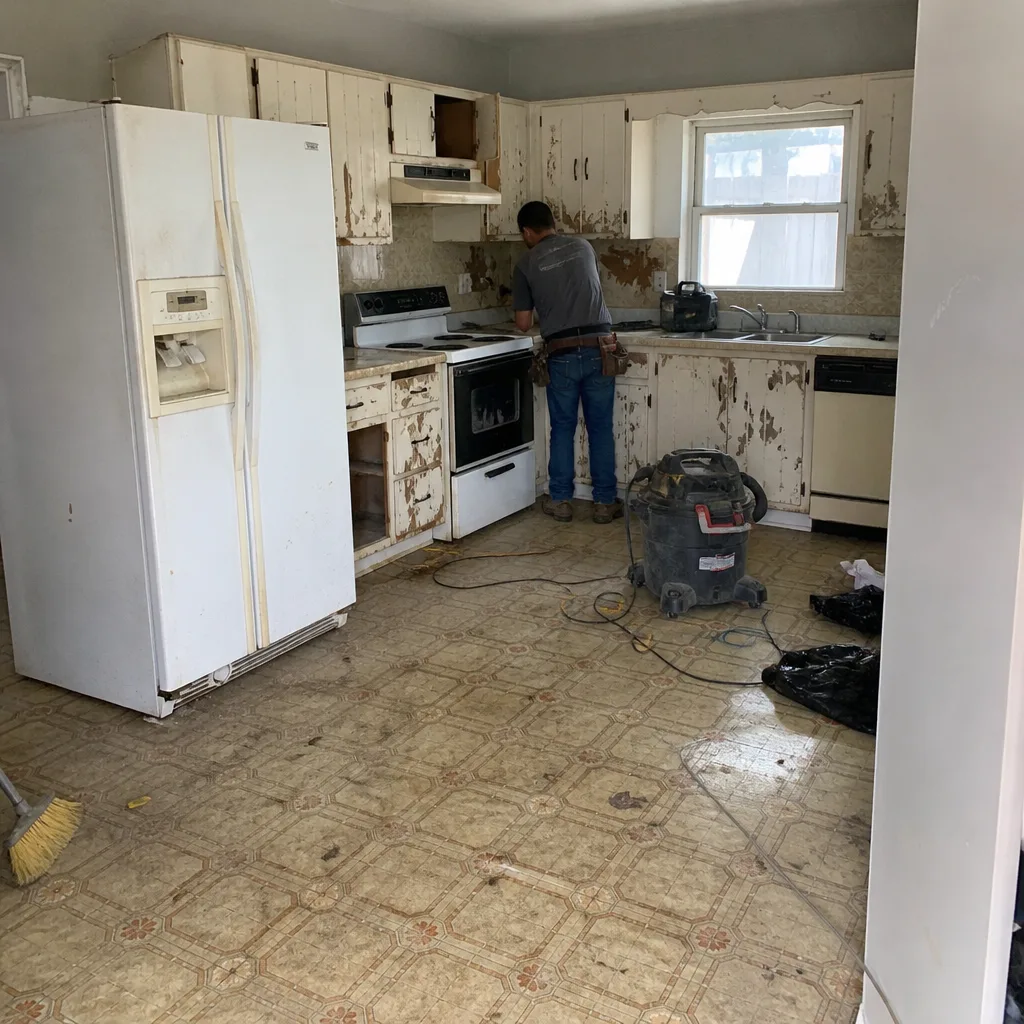 Before
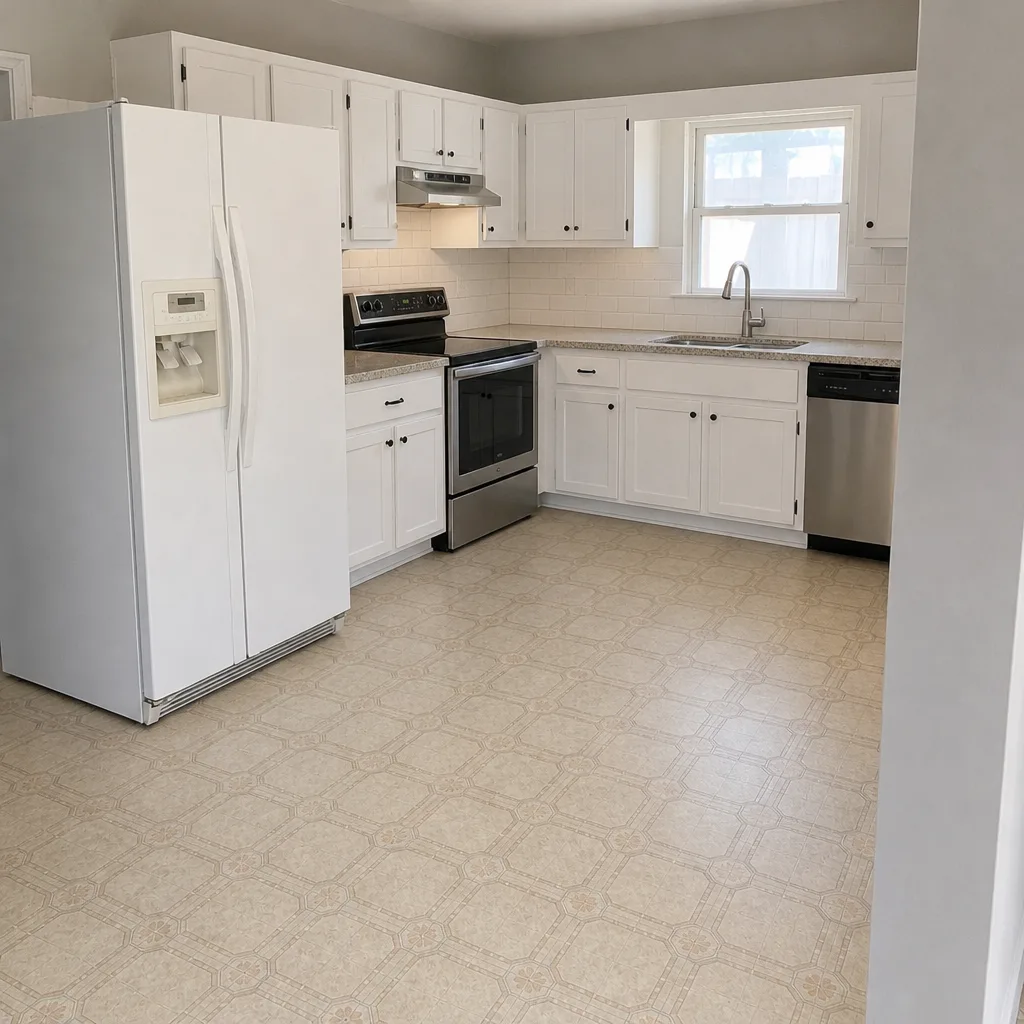 After
When to Call a Professional
Some permit questions are answerable with a records search. Others require a licensed contractor who knows the local corrections process. Call a professional when your roof needs replacing inside the HVHZ, when a window or door package requires pressure-rating calculations, when you’re adding square footage and aren’t sure what triggers plan review and impact fees, or when unpermitted work has surfaced and the county is asking you to remedy it. Structural connections, hurricane strapping, and load-path work should never be DIY – a missed connection is invisible until it matters, and the building department will not approve work it didn’t inspect. Rowan Construction Group Doral offers free estimates in Doral – call (888) 300-3896 to schedule yours.
Frequently Asked Questions
Yes. Roof replacements inside the HVHZ require a permit and an inspection, even for “like-for-like” material swaps. The county checks the Miami-Dade Product Approval number and the fastening pattern at the rough-in and framing stages. Call (888) 300-3896 for a free estimate that includes the permit scope in writing.
Approval time depends on plan review queue volume and submittal completeness; a clean, complete submittal moves faster than one that gets corrections. Resubmittals are the most common source of delay. Call (888) 300-3896 and we’ll walk your scope before you submit.
You must disclose it, and the buyer’s lender may refuse to close until the permit is resolved – which typically means opening walls and pulling the missing permit retroactively. It’s cheaper to resolve it before listing than after a contract is signed. Call (888) 300-3896 for a free second opinion on any written estimate you’ve received to remediate.
The HVHZ covers all of Miami-Dade and Broward counties and adds stricter product, fastening, and pressure standards to the base Florida Building Code. Every Doral home sits inside it, so window, door, and roof products must carry a Miami-Dade Product Approval, not just a state approval. Call (888) 300-3896 with your product list and we’ll confirm it before you order.
Submit a public records request to the Miami-Dade building department with the property address and folio number, and ask for open permits and inspection history. It typically takes a couple of weeks. An open permit means a previous contractor pulled it but never passed the final inspection. Call (888) 300-3896 if the records turn up something you want reviewed.
Yes – our contractor partners pull the permit, coordinate the rough-in, framing, and final inspections with the county, and deliver a written price with the permit scope included before any work starts. The free second opinion on any competitor’s written estimate is standing. Call (888) 300-3896 to schedule it.
The Bottom Line
The Florida Building Code is the floor, Miami-Dade’s HVHZ amendments are the ceiling, and your Doral home is subject to both. Permits are processed locally, fees are calculated by project type, and three inspection stages stand between a permitted job and an approved one. The things that will cost you the most if you skip them: unpermitted work that surfaces at resale and stalls an insurance claim, and a missing Miami-Dade Product Approval on a roof or window package. The documentation – the written scope, the signed change order, the inspection sign-offs, the photo record – is what makes a project close clean. Start with a written price, every time.
If you’d like to see how we document a job from permit to final sign-off, or how our Rowan Construction Group Doral home approach to written quotes works across all seven trades, start there. To put a written price on your project before anyone picks up a tool, call (888) 300-3896 for a free estimate.
Written by the team at Rowan Construction Group Doral.