Last updated November 18, 2026



Free written scope consultation - allowances, timeline, and change-order rules on paper before a single trade is scheduled
Construction Warning Signs: A Doral Homeowner’s Reference Guide
A hairline crack running at 45 degrees from the corner of a window opening in a Doral home is not cosmetic. It is a textbook indicator of differential foundation settlement, and the difference between a $400 epoxy injection and a $14,000 underpinning job is how early it’s caught. Most construction defects in Doral houses announce themselves with observable symptoms months before they become structural problems. This guide teaches you to read those symptoms the way a diagnostician reads a chart: each sign linked to its probable cause, its likely repair cost range, and whether it needs a licensed engineer or just a good contractor. What follows is the vocabulary and the test methods, so the next estimate you get is one you can actually judge.
Quick Answer
Construction warning signs in a Doral home are observable symptoms – crack geometry, efflorescence, door binding, attic decking deflection, stucco bubbling – that point to a specific underlying cause long before failure. Diagonal cracks from openings mean settlement, horizontal cracks mean lateral pressure, and white mineral staining means water is moving through concrete. Catching any of these early typically cuts repair cost by a factor of three or more, and a written professional assessment is the fastest way to know which one you’re looking at.
Styles & brands we work with
- Kitchen remodeling
- Bathroom remodeling
- Home additions & ADU
- Roofing
- Windows & doors
- Driveway & pavers
- Fence
Table of Contents
- Crack Pattern Taxonomy: What Each Geometry Tells You
- Efflorescence, Mold, or Rust: Reading Exterior Discoloration
- Door and Window Binding: The 90-Day Pencil Test
- Roof Deck Clues Visible From the Attic
- Electrical and Plumbing Signs That Hide as Construction Symptoms
- Stucco, Soffit, and Weep Screed in South Florida Humidity
- When You Need a Licensed Engineer vs. a Contractor
- What Repairs Actually Cost in the Doral Market
Crack Pattern Taxonomy: What Each Geometry Tells You
Not all cracks are structural, and the ones that are tend to have a signature. Learn three geometries and you’ll rule out about 80% of what worries homeowners. In Doral, where most homes are concrete block with stucco over masonry, cracks announce load and movement in a fairly legible way.
- Vertical cracks running straight up from a corner or pier, often uniform in width, are usually shrinkage cracks in the stucco or block joints. They move seasonally and rarely indicate foundation failure. Cosmetic sealing is often enough.
- Diagonal cracks at roughly 45 degrees, especially those starting at a window or door corner and running toward the ceiling or slab, indicate differential settlement – one part of the foundation has dropped relative to another. These are the ones worth an inspection.
- Horizontal cracks in a foundation wall or along a block course suggest lateral earth pressure or a retaining issue. In Doral’s high water table, this geometry deserves prompt attention.
- Stepped cracks that follow the mortar joints like a staircase point to foundation movement along a wall. Again, engineer territory.
Measure crack width with a feeler gauge or a business card. Width matters more than length. A crack under 1/16 inch that is stable is usually cosmetic; a crack over 1/8 inch that is still growing after three months is not. Take a dated photo every 30 days and compare against the same reference point – the door frame, the corner, the slab edge.
Efflorescence, Mold, or Rust: Reading Exterior Discoloration
Three discolorations look similar at a glance and mean three completely different things. Getting this wrong is expensive: treating efflorescence as mold wastes money on remediation, and treating rust staining as cosmetic lets a corroding conduit or rebar issue run for another year.
- Efflorescence is the white, powdery, crystalline deposit that appears on stucco or block. It is salt being pushed to the surface by water migrating through the concrete. Wipe a sample with a damp cloth – efflorescence dissolves. Its presence means water is inside the wall, and the source must be found: a failed flashing, a roof leak, a missing weep screed, or a plumbing slow leak.
- Mold or mildew appears as green, black, or fuzzy gray growth, usually in shaded areas, north-facing walls, and near AC condensate lines. It does not dissolve with water. In Doral’s humidity, mold growth is common and not necessarily structural, but it signals a moisture problem that needs resolving.
- Rust staining is a reddish-brown streak, usually running vertically from a fixed point. It is the most diagnostic of the three. It means a ferrous metal component is actively corroding: rebar near the surface, a conduit run behind the stucco, a steel lintel over a window, or a plumbing pipe or fitting. Rust expands and eventually cracks the stucco or spalls the concrete, so it is a slow-burning issue worth catching early.
Document each discoloration with a close-up and a wider shot showing its location. Note whether it changes after rain, which tells you about water source.
Door and Window Binding: The 90-Day Pencil Test
A door that sticks in July and frees itself in January is telling you something different than a door that has stuck for three consecutive months and never freed itself. Seasonal movement is normal in any home; progressive movement is a foundation indicator. You can measure the difference for the cost of a carpenter’s pencil.
- On day one, open the sticking door to a comfortable angle. With a pencil, draw a light line on the floor along the door’s opening edge, exactly following where the door swings. Do the same at the top corner against the jamb.
- Run the door for 90 days. Do not adjust the hinges, do not sand, do not “fix” it.
- At day 90, swing the door along that original line and observe the gap between the door edge and the pencil mark. A gap of 1/16 inch or less is seasonal movement in the normal range. A gap that exceeds 1/8 inch, or a line that now shows the door swinging past its original path in a consistent direction, suggests the foundation plane has moved.
- Repeat the same measurement on two or three other doors or windows in the home, ideally on different sides. If they all shift in the same direction, that’s a foundation issue. If they shift in opposite directions, the house is moving relative to itself and needs an engineer’s read.
In Doral, the water table and soil movement tend to produce more vertical movement than in inland Florida. A door binding that appears after a heavy rainy season and settles a couple of weeks later is very common and often benign; a door that binds and stays bound is not.
Roof Deck Clues Visible From the Attic
The attic is the cheapest diagnostic tool you own. Before you climb in, get a good light and a phone camera with a flash. What you want to see is specific.
- Decking deflection between trusses. Look up between the rafters at the underside of the roof sheathing. A slight sag is normal on older construction; a visible curve you can see by eye across a 4-foot span means the sheathing has taken on water or lost structural integrity. Compare two adjacent bays – if one is clearly bowed and the next is flat, that’s a localized problem worth addressing.
- Truss plate separation. Where a diagonal chord meets a bottom chord, there should be a steel gusset plate biting into the wood. If you can see daylight between the plate and the wood, or if the plate has pulled partway free, that connection has failed and needs an engineer’s evaluation.
- Ridge board sag. Stand at one end of the attic and sight along the peak where the roof planes meet. A straight line is what you want. A visible dip in the middle, especially on a roof over 15 years old or one that’s been re-shingled without checking the structural members, points to a ridge board that’s taken on load it wasn’t designed for.
- Water staining on the underside of the sheathing. Brown rings and dark staining near penetrations and valleys indicate past or active leaks. In Doral’s hurricane season, even a small roof penetration can saturate decking in a matter of hours.
If you find any of these, stop diagnosing and start calling. The right trade is a roofer for the sheathing and flashing question, and a structural engineer for the truss and ridge question. Both are cheaper if called early. When the roof needs replacing rather than repairing, our team works with shingles from GAF, Owens Corning, and Tamko, and PGT impact-rated windows and doors are a proven fit for Doral’s wind zone – the written quote names the exact product.
Electrical and Plumbing Signs That Hide as Construction Symptoms
Some of the most expensive problems start in a wall and show up on the surface as a construction issue. In Doral’s concrete-block and slab construction, that pattern is common because plumbing chases and conduit runs are buried – a small leak or a failing conduit has nowhere to go but out through the stucco or the tile.
- Stucco bubbling over a known conduit run. A tight, blistered patch of stucco along a wall where an outdoor outlet or an AC disconnect is mounted suggests corrosion of the metal conduit or an EMT fitting behind the plaster. The bubbling isn’t the problem; the corrosion that caused it is. Get an electrician to test the circuit.
- Floor tile cracking along a straight line. Tile that cracks along a single course, especially in a bathroom or kitchen slab area, often follows a shifting plumbing chase. When the slab cracks along a pipe run, the tile above it telegraphs the movement. Have a plumber run a camera and a contractor assess the slab.
- Warm spots on the floor. In a home with under-slab plumbing, a hot spot near the water heater or along a supply line suggests a small leak. A warm spot in the tile field is worth a moisture meter reading before assuming it’s a slab curing issue.
- Mild chemical smell in a bathroom or laundry. Not quite sewage, not quite nothing, often the first sign of a failing cast-iron drain in older construction. Combined with rust staining on a nearby wall, this is a strong signal.
Any electrical or plumbing diagnosis that requires opening a wall or floor should be paired with a written scope and price from a licensed trade. Our crews work with Kohler and Toto fixtures when a bathroom or kitchen replacement is on the table; the plumbing findings inform that scope, not the other way around.
Stucco, Soffit, and Weep Screed in South Florida Humidity
Doral’s stucco exterior takes more abuse than most homeowners realize. The humidity, the salt air pushed inland on an easterly wind, and the daily rain cycles all push water against the wall envelope. Three parts matter: the stucco itself, the weep screed at the base of the wall, and the soffit at the eave.
- Stucco delamination. Tap the wall with a screwdriver handle. A solid thud is healthy. A hollow “tock” is stucco that has separated from the block. Once water gets behind separated stucco, the damage compounds quickly.
- Weep screed. Look at the base of the wall, where the stucco meets the slab or the foundation ledge. There should be a metal screed with visible weep holes. If it’s buried in dirt or caulked over, water can’t drain and it tracks back into the wall. This is a common and cheap fix if caught.
- Soffit and fascia. Poke the soffit panel at the eave. Soft or spongy material is moisture-damaged. Look for sagging soffit sections, which often indicate a slow leak above in the roof edge – particularly at the corners where the roof meets the wall.
In our experience across Doral, the single most common stucco failure we see is a buried weep screed at the back of the house where landscaping has built up over the years. It costs almost nothing to clear; it costs thousands to repair the wall it damaged if left for five years.
When You Need a Licensed Engineer vs. a Contractor
The distinction matters for cost and for liability. Get this wrong and you either pay for an engineer you didn’t need or hire a contractor who isn’t licensed to make the call you actually need.
- Call a licensed structural engineer for diagnostic questions involving load-bearing components: foundation settlement, truss plate separation, ridge board sag, lateral wall movement, or any diagonal crack over 1/8 inch that has grown in three consecutive months. In Doral, the Miami-Dade County building code requires engineered plans for most structural repairs and additions, and the engineer’s stamp is the document that lets a permit be pulled.
- Call a contractor with a licensed trade for the repair once the diagnosis is made. Roofing, stucco, plumbing, electrical, and paver work all require licensed trades to perform the fix. A structural diagnosis and a structural repair are two different contracts, and a careful contractor will tell you so.
- Call both if the diagnosis is uncertain. A free second opinion on a competitor’s written estimate is standard for us – we’ll read someone else’s quote line by line before we write our own.
The 365-Day Done Right Promise on any work we do means the repair is guaranteed in writing for a full year, but the engineer’s report is what governs whether the fix will pass Doral’s building department inspection. Pulling permits and passing inspections is part of the written scope, not a separate line item.
What Repairs Actually Cost in the Doral Market
You should be able to price the repair before you call anyone. The ranges below reflect the Doral market for the most common defects in this guide. Every one of these should come with a flat written price and a written scope before work starts.
- Cosmetic stucco crack sealing: $180 – $420 per area, depending on access.
- Epoxy injection of a non-structural crack: $350 – $700 per crack.
- Engineer’s structural inspection and letter: $600 – $1,200.
- Truss plate re-repair or reinforcement: $800 – $2,200 per truss.
- Parging and stucco repair over a small corrosion spot: $400 – $950.
- Weep screed restoration: $300 – $800 per elevation.
- Floor tile reset over a plumbing chase: $550 – $1,400 per area, tile included.
- Underpinning or piering for a settled foundation: $9,000 – $24,000, driven by the number of piers and depth.
Those ranges come from our written quotes on comparable Doral work, not a regional average. The spread between the low and high end on any of these repairs is almost always a function of how early the problem was caught. A $400 epoxy injection and a $14,000 underpinning are the same defect at two different stages.
Common Mistakes to Avoid
- Caulking a structural crack as a “repair.” Caulk only hides the symptom. A diagonal crack from a window corner that gets caulked without diagnosis tends to widen quietly behind the seal, and the eventual repair is bigger.
- Hosing off efflorescence and calling it cosmetic. Efflorescence dissolves in water, so it looks fixed. Water is still in the wall, and the next rainy season brings it back – usually larger.
- Sanding a binding door back to fit. Sanding removes the evidence. If the door sticks again within a year, you’ve lost a whole season of diagnostic data and made the more expensive fix harder to spot.
- Assuming the crack is the problem. The crack is a message. The problem is what the message describes. A contractor who proposes to “seal the crack” without investigating the cause is selling you a cosmetic fix.
- Skipping the attic. Many homeowners pay for a roof inspection when a 10-minute attic walk would have revealed the same failing truss plate or water stain for free. In Doral’s heat, the attic tells you more than the shingles do.
- Taking a verbal quote. A verbal quote on a structural repair is a placeholder, not a price. The written scope and written warranty should describe exactly what is being fixed and how it will be inspected.
- Ignoring the graded soil against the house. Soil that has built up over the weep screed, or a downspout that dumps water against the foundation, is one of the cheapest problems to fix and one of the most common causes of Doral stucco and foundation trouble.
See the difference
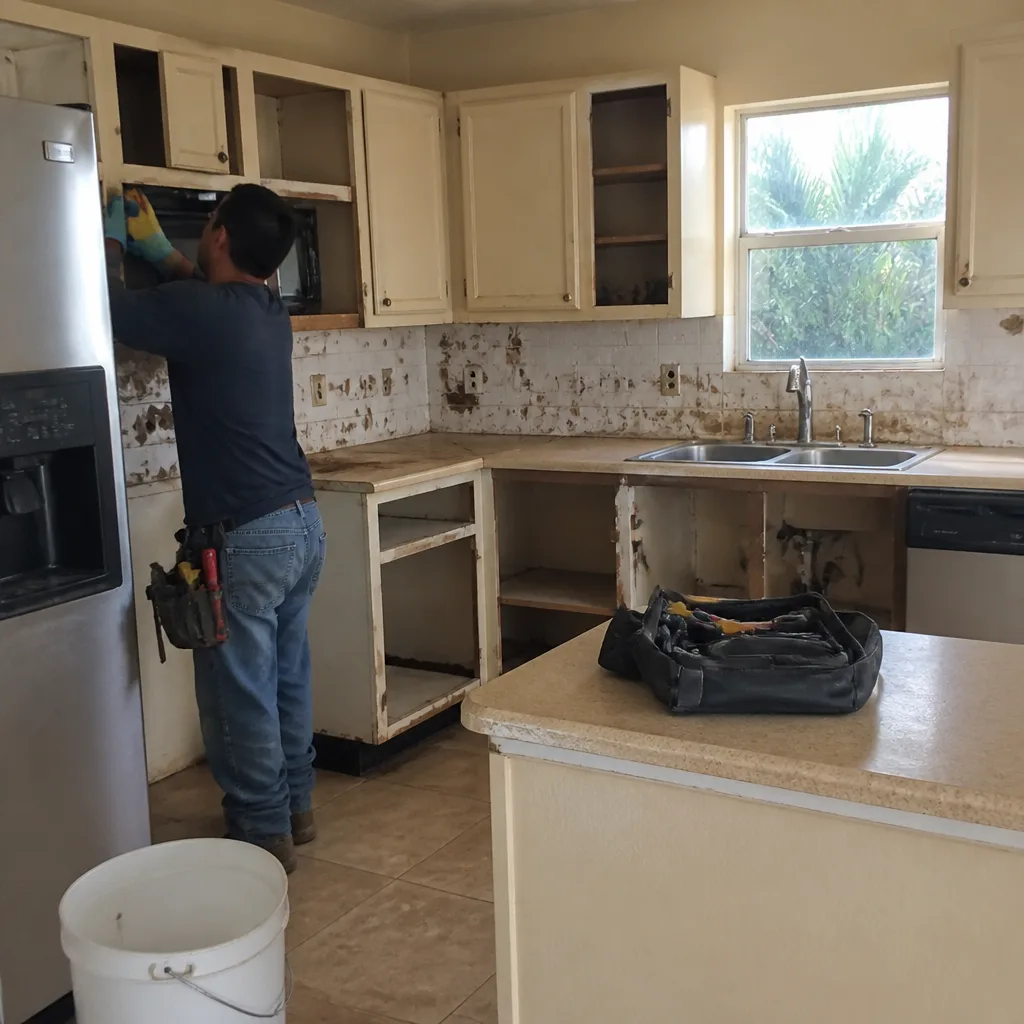 Before
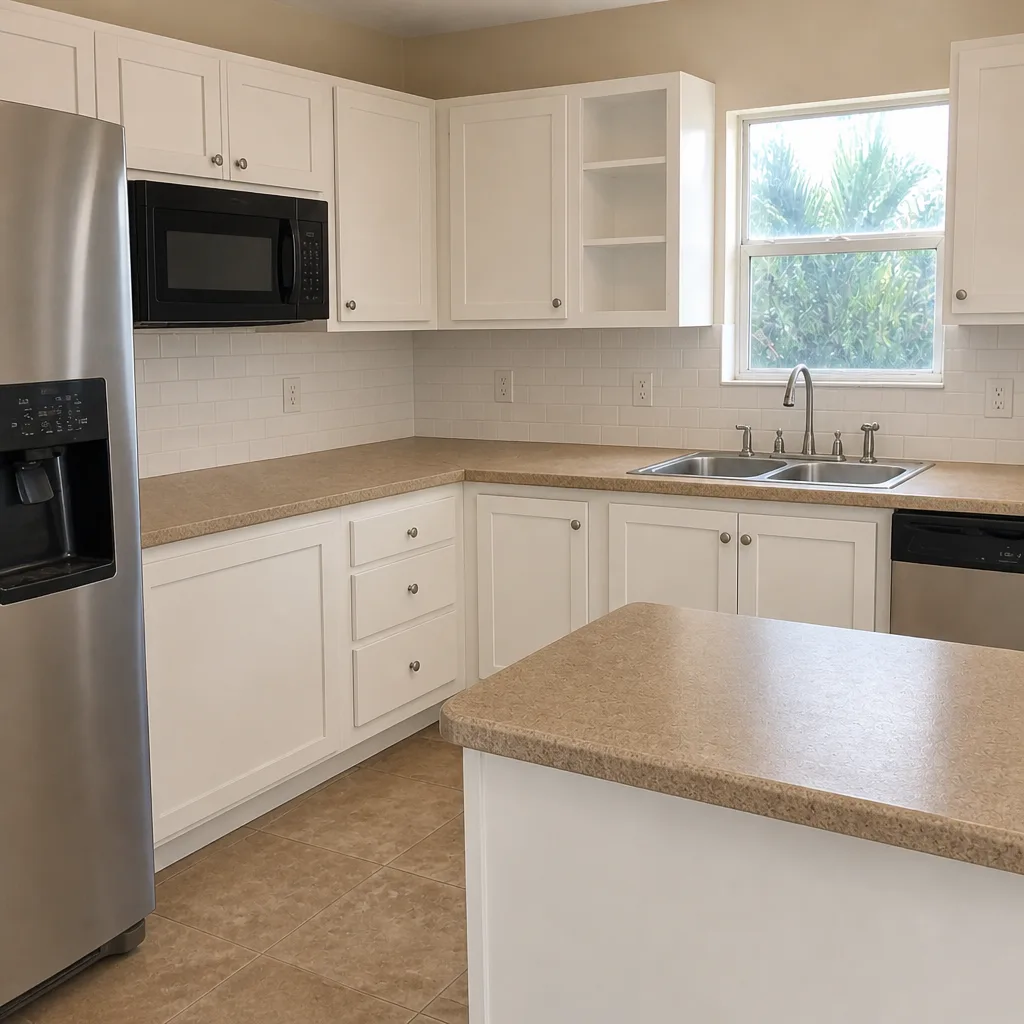 After
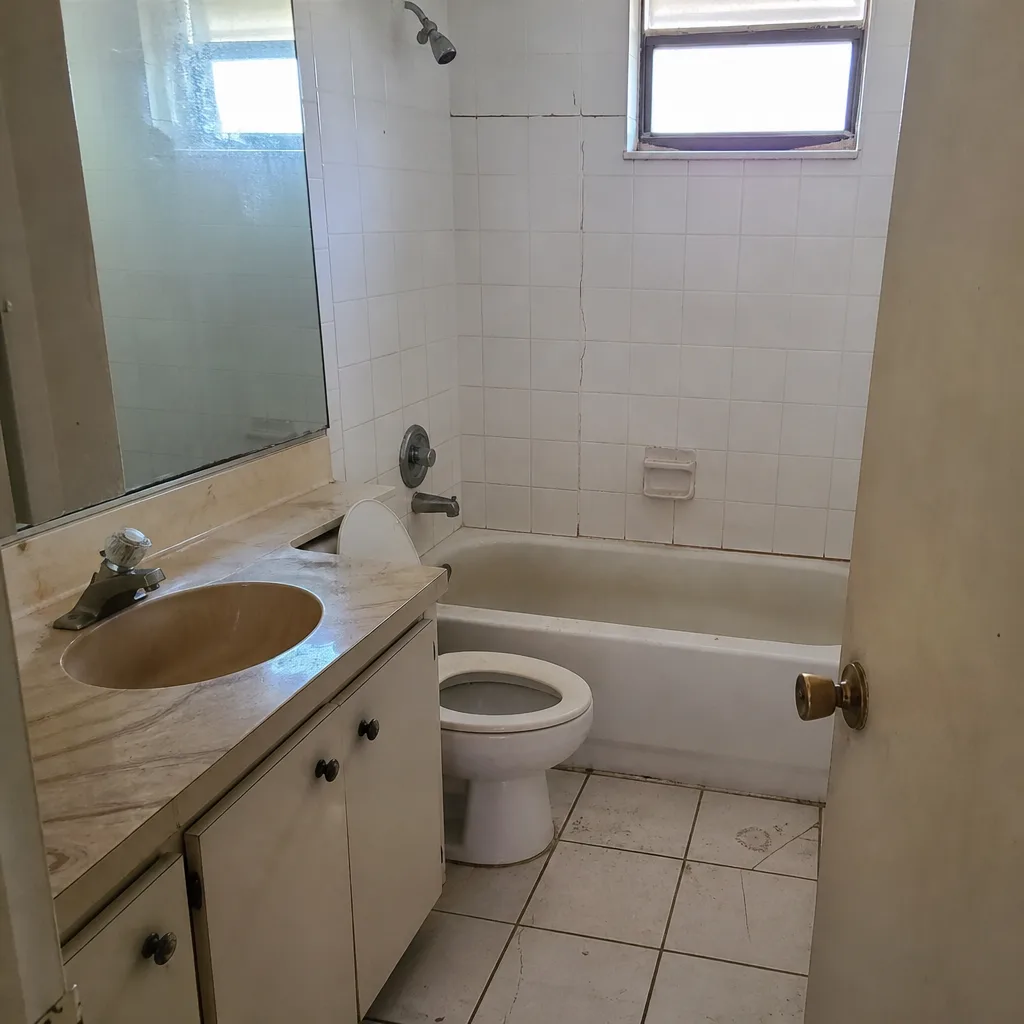 Before
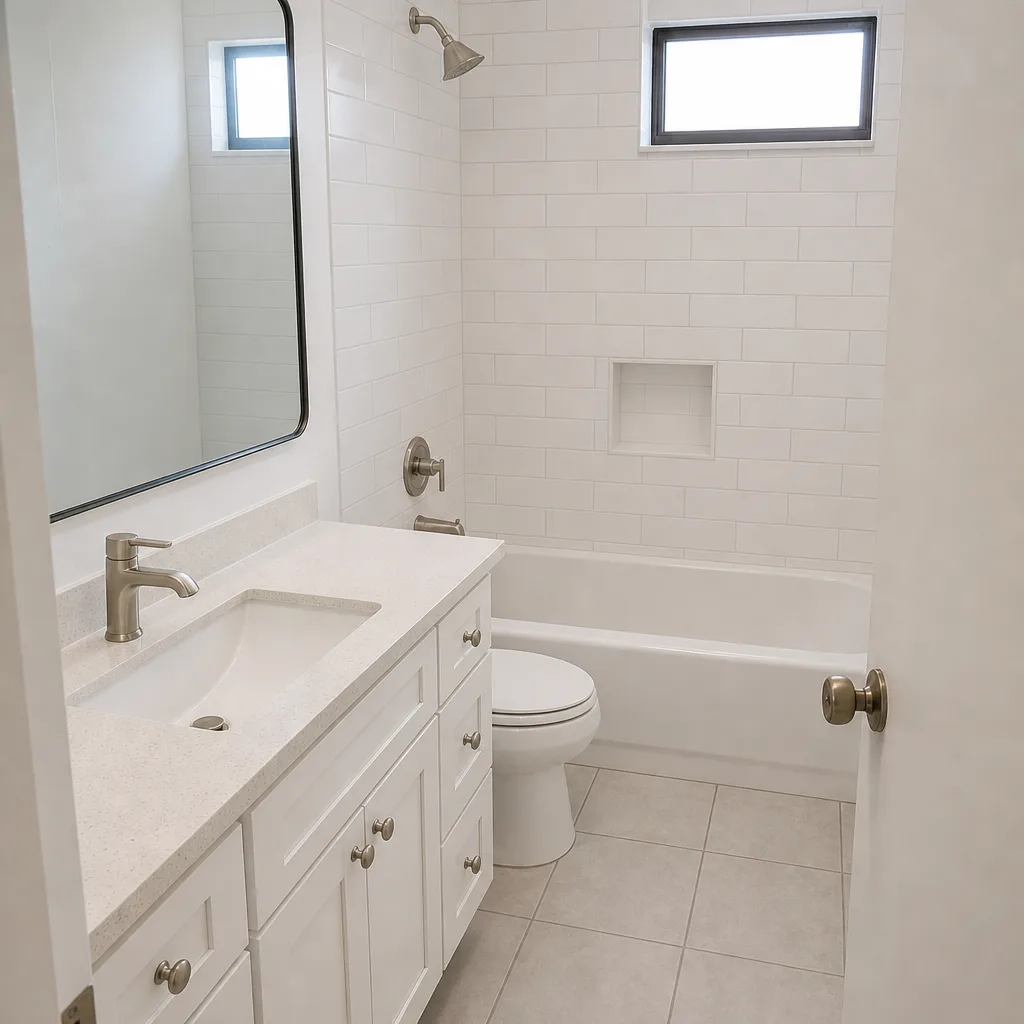 After
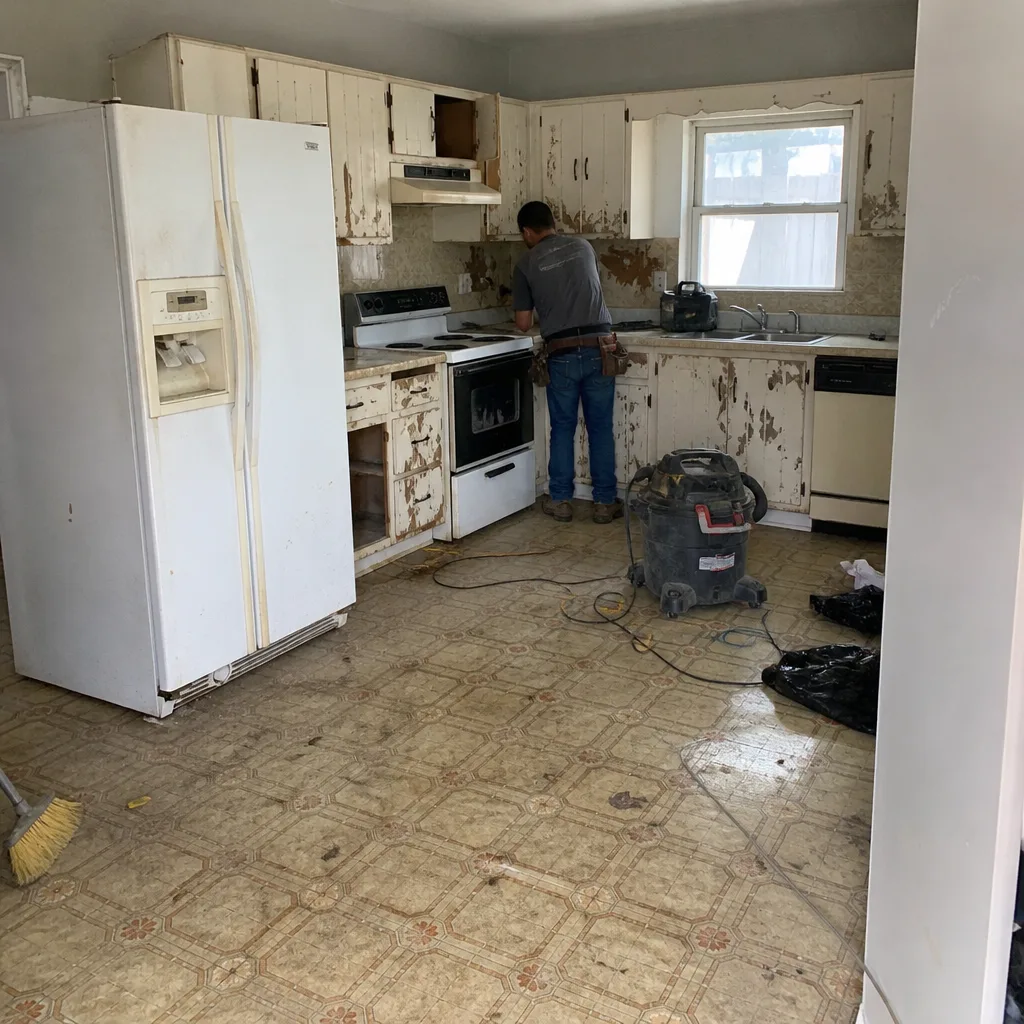 Before
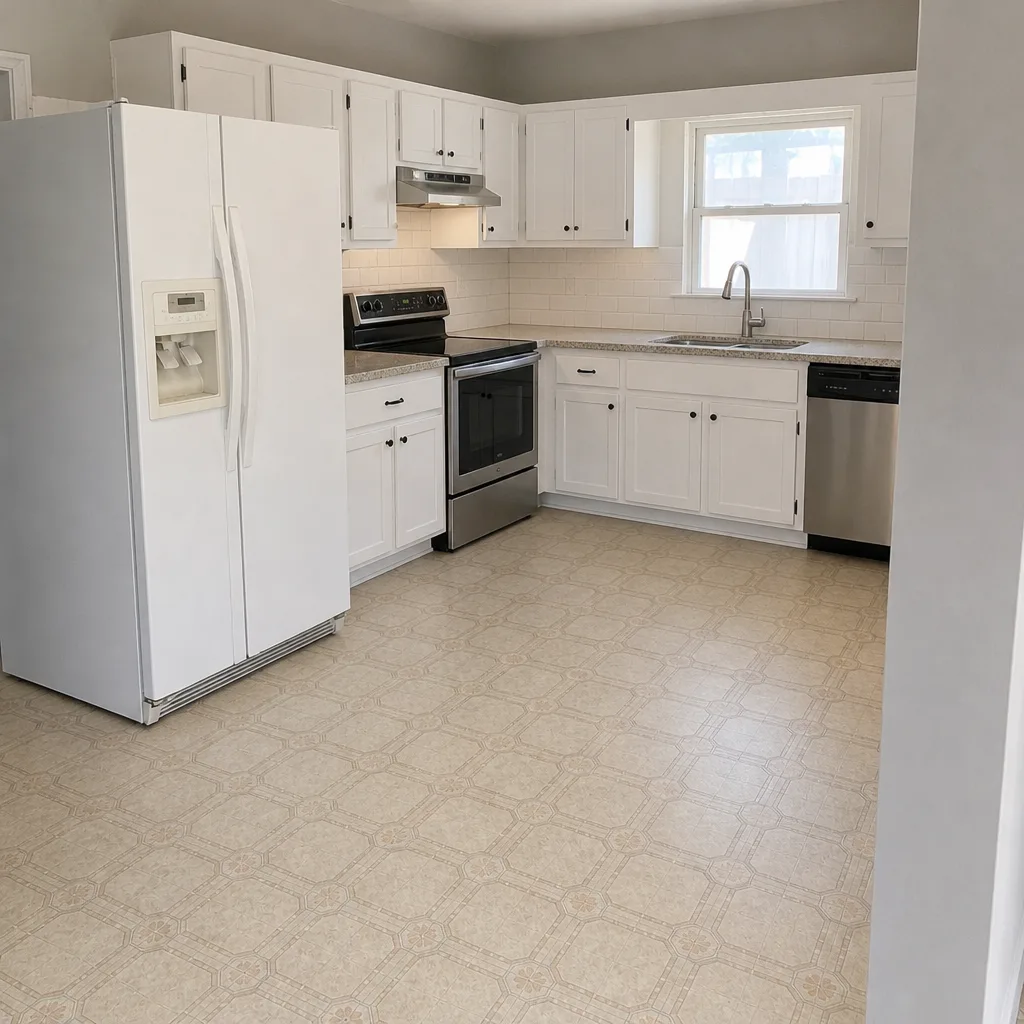 After
When to Call a Professional
Call a professional the moment a diagonal crack exceeds 1/8 inch and has grown over three monthly measurements, or when two doors in the same direction bind simultaneously. Call when you find daylight between a truss plate and its chord, when a bubble in the stucco sits over an outdoor outlet, or when floor tile cracks in a straight line through a bathroom. Call when efflorescence returns to the same spot within one rainy season. Each of these points to a defined cause, and the Doral market rates in this guide are the direct evidence that early diagnosis pays. Rowan Construction Group Doral offers free estimates in Doral – call (888) 300-3896 to schedule one, and bring a photograph of what you’re seeing. If you already have a written estimate from another contractor, we’ll review it line by line at no charge. For exterior work, our Driveway & Pavers in Doral and Fence Installation in Doral pages cover the site-grading and boundary questions that frequently overlap with foundation movement, and our Home Additions & ADU in Doral team handles the structural engineering that larger repairs require.
Frequently Asked Questions
No, but they are the geometry that most often indicates differential settlement, so they deserve an engineer’s look rather than a contractor’s opinion. A diagonal crack under 1/16 inch that has not grown in three months is often benign shrinkage at a stress concentration. A diagonal crack over 1/8 inch that is still widening is not. Measure, photograph at 30-day intervals, then call (888) 300-3896 for a free estimate that includes a written assessment of what the crack means.
Efflorescence dissolves when you wipe it with a damp cloth; mold does not and will usually look fuzzy or green-black under a close-up light. The white crystalline deposit is salt pushed to the surface by water moving through the concrete, which means the water source needs finding. Mold on the same surface indicates moisture plus organic material, usually in a shaded area. Either way, call (888) 300-3896 for a free estimate – we’ll identify which one you have and where the water is coming from.
It’s a 90-day measurement of seasonal versus structural movement: mark the door’s swing path on the floor with a pencil, do not touch the door, and re-measure at 90 days. A gap under 1/16 inch is normal seasonal movement; a gap over 1/8 inch or a directional shift means the foundation plane has moved. It costs nothing and produces a data point any engineer or contractor can use. Call (888) 300-3896 for a free estimate once the test reads structural.
Yes, for the diagnosis and the plan, and usually for the permit. Miami-Dade County requires an engineer’s stamp on structural repair plans, and a Doral building inspector will not pass an underpinning job without one. The repair itself is then performed by a licensed contractor under that plan. Call (888) 300-3896 for a free estimate – we’ll coordinate the engineer and the repair under one written scope and price.
Typically $600 – $1,200 for a residential inspection and a written letter suitable for a permit or a contractor’s scope. The cost depends on the number of elevations examined and whether a camera or moisture testing is included. It is the cheapest step in any structural repair, and skipping it usually costs more later. Call (888) 300-3896 for a free estimate and we’ll tell you whether the evidence you have already warrants an engineer or just a contractor’s repair.
Not on our jobs. Under the Haven Standard, the price is written before anyone starts, and no work proceeds on a change until a signed change order is in place. That discipline is why our projects finish within a few percent of the number the customer agreed to, and it’s been that way across more than 4,000 jobs. Call (888) 300-3896 to schedule your free estimate and see the written scope, warranty, and price before you commit.
The Bottom Line
Construction defects in Doral homes almost always leave a readable trail: a crack geometry, a discoloration, a binding door, a bowed decking panel, a bubbling patch of stucco. The skills in this guide are the ones that separate a $400 catch from a $14,000 repair – measuring crack width, telling efflorescence from rust from mold, running the pencil test for 90 days, walking the attic with a good light. When the evidence points to a structural cause, a written professional assessment is the next step. Start with Rowan Construction Group Doral home to see how our estimates, warranties, and trade coverage fit together, then call (888) 300-3896 for a free estimate. Every job gets a written price, a written scope, and a documented photo record before and after the work.
Written by the team at Rowan Construction Group Doral.